JPMorgan's Dimon projects $1tn global AI capex next year
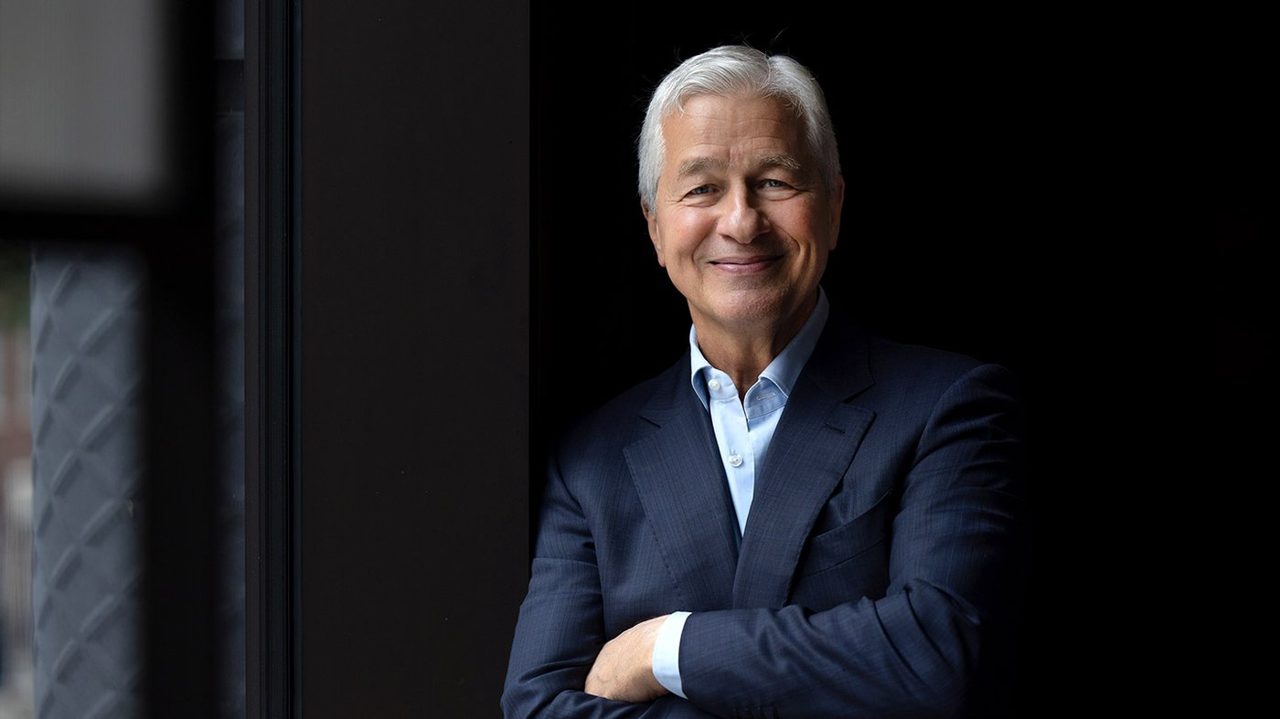
Global artificial intelligence capital expenditure is on track to surpass $1 trillion next year, a trajectory that could see it account for more than a quarter of all corporate spending by 2027, according to JPMorgan Chase CEO Jamie Dimon.
The five largest U.S. banks reported largely strong second-quarter earnings on Tuesday, driven primarily by a resurgence in capital markets activity. JPMorgan Chase and Goldman Sachs led this recovery, with investment banking revenue surging 45% and 55% year over year, respectively. The robust performance in initial public offerings and advisory services signals that corporate clients are returning to the markets to execute transactions.
This return of corporate dealmaking underscores a broader willingness among major companies to deploy capital. Bank executives linked this renewed activity directly to the expanding artificial intelligence sector. During JPMorgan's earnings call, CEO Jamie Dimon provided a stark quantitative view of how quickly AI is absorbing corporate resources.
"AI went from $400 billion last year to $700 billion this year," Dimon said. He noted that with total global capital expenditure sitting at approximately $4 trillion, the technology sector is rapidly crowding out other investments. Industry and internal projections now point to AI spending hitting "a little over a trillion next year and maybe a little reduction in the non-AI capex."
The math behind this projection outlines a historic shift in corporate budgeting. Should AI capital expenditure exceed $1 trillion next year, the technology will command roughly a quarter of all global capital spending. By 2027, if the pace of reallocation continues, AI could account for an even larger share of the $4 trillion total.
For investors and market professionals, this pivot dictates a narrowing focus for future growth. Capital is flowing aggressively into AI infrastructure, suggesting that companies and funds not positioned in this supply chain may face structural headwinds as non-AI budgets contract.
Still, Dimon advised against extrapolating the current boom indefinitely. While acknowledging that the present market environment is "getting close to as good as it gets," he reminded investors of a fundamental market risk: "We just don't know how long it's going to last."