AI memory bottleneck drives Micron, Sandisk past Nvidia
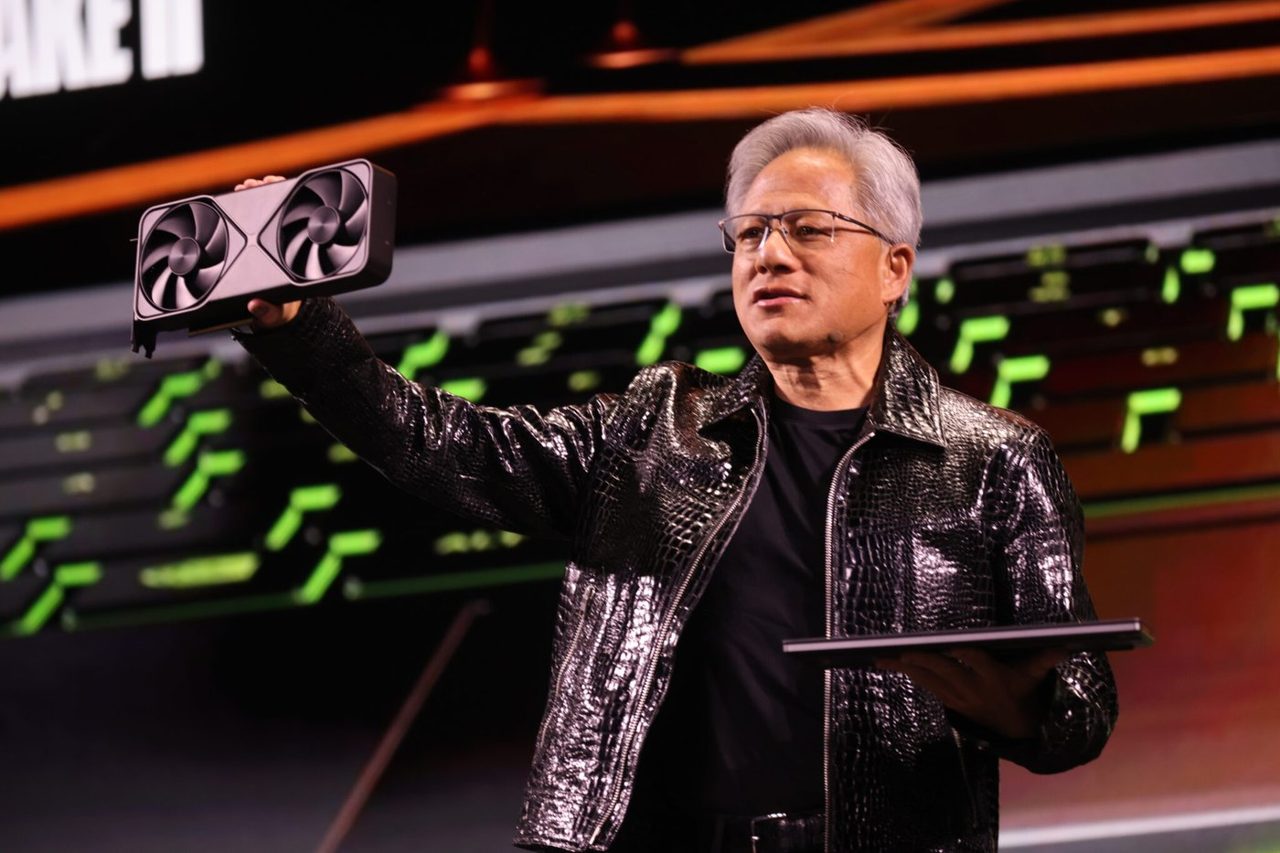
Jensen Huang's warning at CES 2026 that memory is the primary constraint in AI has translated into massive revenue gains and stock outperformance for Micron and Sandisk, signaling a shift in where investors should look for AI infrastructure growth.
Memory chipmakers Micron and Sandisk have outpaced Nvidia in the stock market since January's CES 2026 trade show, where Nvidia CEO Jensen Huang identified memory as the biggest bottleneck in artificial intelligence. The market rotation reflects a fundamental shift in investor focus toward the data storage components required to sustain advanced AI models.
Huang's assessment points to an escalating technical hurdle for the industry as large language models evolve to retain long-term user context. "We would like this AI to stay with us our entire lives and remember every single conversation we've ever had with it, right?" Huang told attendees. "And so, this context memory, which started out fitting inside an HBM, is no longer large enough."
Recent financial results from memory suppliers validate this thesis. Micron generated $41.4 billion in revenue in its fiscal 2026 third quarter, a massive leap considering its total full-year revenue for 2025 was just $37.3 billion. This explosion in top-line growth is being directly powered by surging demand from the company's cloud and data center divisions.
Sandisk is experiencing a similar trajectory, albeit from a smaller revenue base. The company posted fiscal 2026 third-quarter revenue of $5.9 billion, representing 251% growth. Its expansion is heavily driven by data center operations alongside its edge computing division, which supplies memory storage for hardware like car sensors and drones.
For market professionals, the divergence in stock performance underscores a critical reality of the ongoing AI buildout. While GPU manufacturers have historically captured the lion's share of AI capital expenditure, the next phase of growth is increasingly constrained by memory capacity. Investors are now pricing in the fact that scaling AI to remember entire user histories requires just as much physical storage infrastructure as it does processing power.