Fanatics rejects ticketing, broadcasting in strategic shift
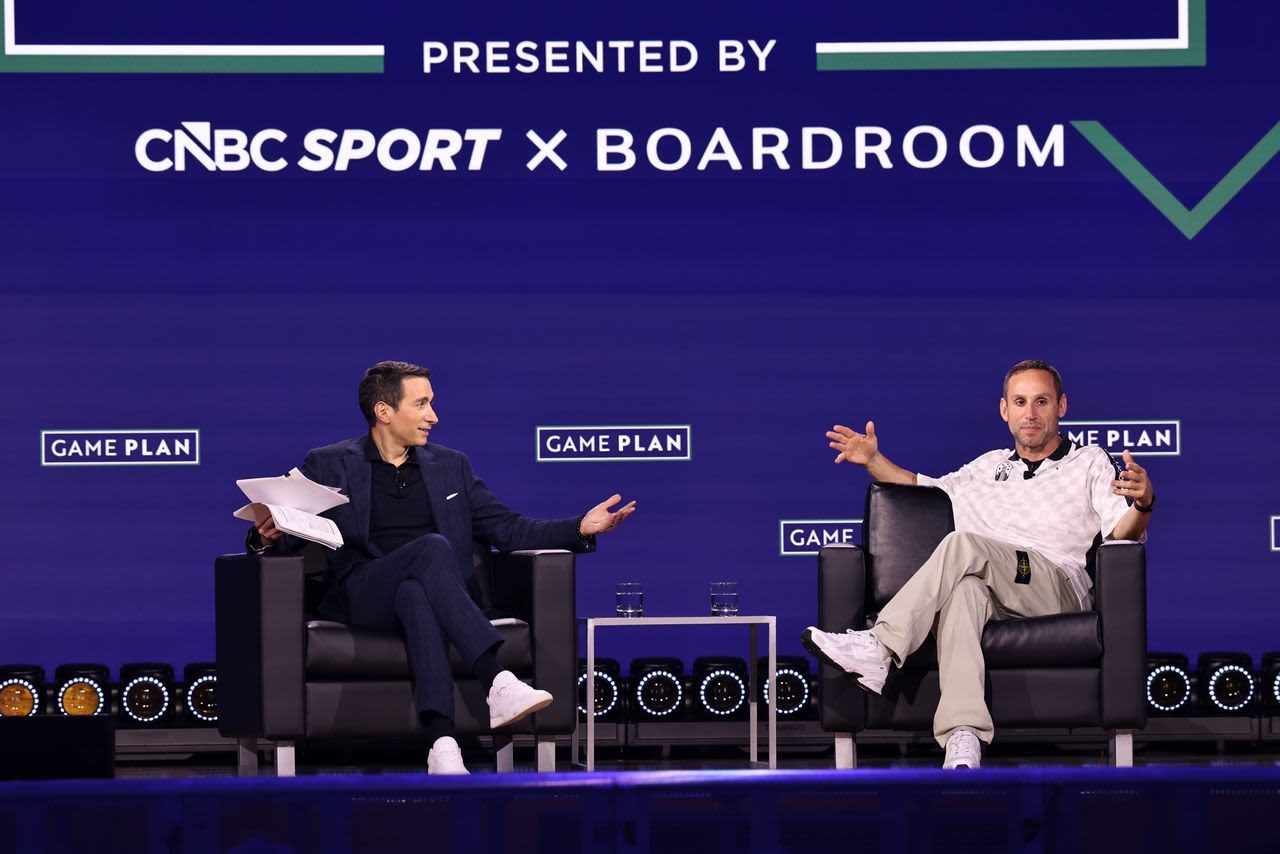
Fanatics CEO Michael Rubin explicitly ruled out entering the ticketing and live sports broadcasting markets, signaling a strategic shift toward brand protection over pure revenue growth for the $31 billion company.
Michael Rubin has ruled out expanding Fanatics into sports ticketing and live broadcasting, explicitly closing the door on two of the most closely watched potential growth vectors for the $31 billion conglomerate.
The decision marks a notable pivot from aggressive expansion toward brand protection, a shift Rubin traced directly to consumer backlash over NHL and MLB jersey quality issues. When Fanatics faced criticism for a new MLB jersey template, the company used the fallout to redefine its corporate strategy. "We never had a brand purpose, and I always thought it was strategic bullsh-t," Rubin said. "We said it's to relentlessly enhance the fan experience."
Applying this new mandate means actively rejecting businesses that might generate significant cash but risk alienating consumers. "Nobody likes the ticketing business, even if you're talking about how you can make billions of dollars a year," Rubin said. He dismissed the sector as difficult and structurally unfavorable, noting that teams and artists retain the bulk of the revenue.
The company is taking a similarly passive stance on live sports broadcasting, a market currently undergoing massive upheaval as legacy media companies renegotiate streaming rights. "There are so many big companies … that's a business where we want to get the popcorn out and watch," Rubin said.
For investors, the comments provide rare clarity on the boundaries of Fanatics' sprawling empire. The company expects revenue to approach $14 billion this year, up from $8 billion in 2024. It already reaches 150 million customers across merchandise, collectibles, and betting, and is preparing to launch a branded credit card.
Despite ruling out broadcasting and ticketing, Rubin emphasized that Fanatics will still build new lines of business. He predicted the company will launch ventures over the next decade that are "equally as important to the three that we have today," though he declined to specify them.
The company's capital structure remains unchanged for now. Fanatics last raised $700 million in a December 2022 round, but an initial public offering remains on hold. "There's no rush to be a public company," Rubin said. The overarching goal, he noted, has shifted from scale to sentiment: "We don't want to be big; we want to be beloved."