Tech Capital Rotates From Semis to Hyperscalers
A sharp rotation away from semiconductor stocks toward hyperscalers and cybersecurity names drove major indices lower, overshadowing strong bank earnings and easing inflation data.
The S&P 500 fell 1.6% last week while the Nasdaq lost 3%, as investors aggressively repositioned within the technology sector. Capital flowed out of AI infrastructure builders and into the hyperscalers actually deploying the technology. The VanEck Semiconductor ETF dropped nearly 9%, marking its third decline in four weeks.
The semiconductor sell-off began after SK Hynix's US debut fizzled, with the stock falling 9% and dragging down peers like Sandisk, Intel, and AMD. Investors looked past bullish guidance from ASML and Taiwan Semiconductor, focusing instead on the soaring capital requirements of the AI buildout. A new competitive model from Chinese startup Moonshot AI added to the cautious sentiment.
Much of the exiting capital found a home in megacap tech. Apple climbed to record highs and briefly surpassed Nvidia as the world's most valuable company after securing approval to bring Apple Intelligence to China using Alibaba's models. Amazon and Microsoft also gained, though Alphabet lost almost 3% following reports of delays to its Gemini model.
IBM triggered a secondary shockwave across enterprise software with a dismal second-quarter pre-announcement. The stock suffered its worst day on record, plummeting 25% on Tuesday. CEO Arvind Krishna attributed the weakness to customers redirecting budgets toward cybersecurity, hardware, and AI tokens at the expense of traditional software and consulting.
The market immediately rewarded the perceived winners of that budget shift. CrowdStrike and Palo Alto Networks rallied 12% and 7%, respectively, while SaaS names ServiceNow and Salesforce slid. The moves suggest AI is driving incremental demand for cybersecurity rather than disrupting it, though traditional software faces sustained pressure.
Beneath the tech turbulence, the macroeconomic picture offered encouragement. Cooler-than-expected June consumer and producer price reports reinforced hopes that inflation is easing. However, escalating US and Iranian airstrikes near the Strait of Hormuz pushed West Texas Intermediate crude up 15.5% to above $82 a barrel, posing a potential threat to the disinflation narrative.
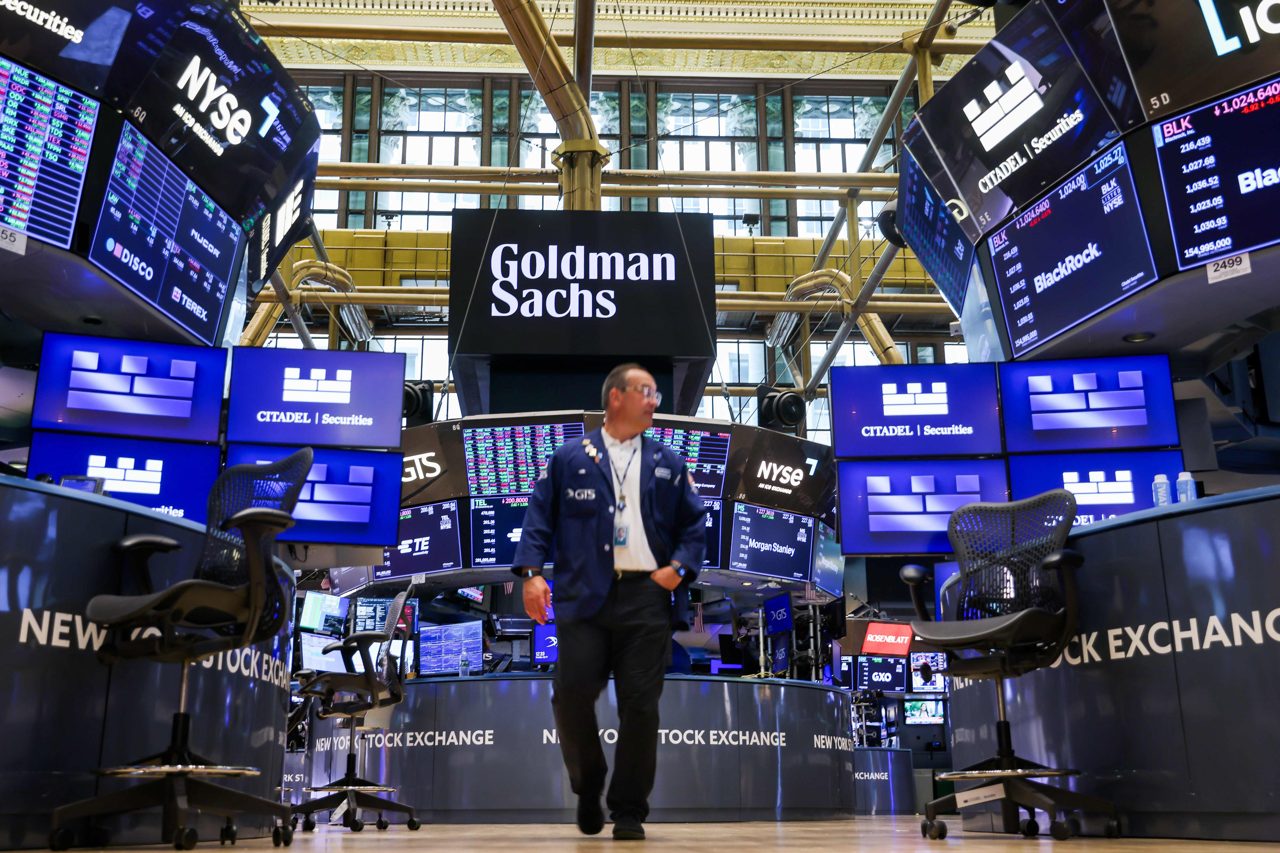
Major US banks delivered a robust start to earnings season, providing a counterweight to the tech volatility. Goldman Sachs led the group with standout trading and investment banking results, pushing its shares to a record high. Wells Fargo and Capital One also posted positive weeks, with Wells Fargo successfully demonstrating its expansion into underwriting and M&A advisory.