US tariff threat on Canada looms over wildfire smoke
President Trump is threatening new tariffs on Canada as smoke from 820 wildfires blankets 16 US states, turning a climate crisis into an immediate trade risk for integrated North American supply chains.
President Donald Trump has threatened to increase tariffs on Canada, accusing the country of "not properly maintaining their Forests, and Brush" as wildfire smoke triggers air quality alerts across 16 US states. The warning on Friday marks a sudden escalation in trade rhetoric, linking an environmental crisis directly to cross-border commercial friction.
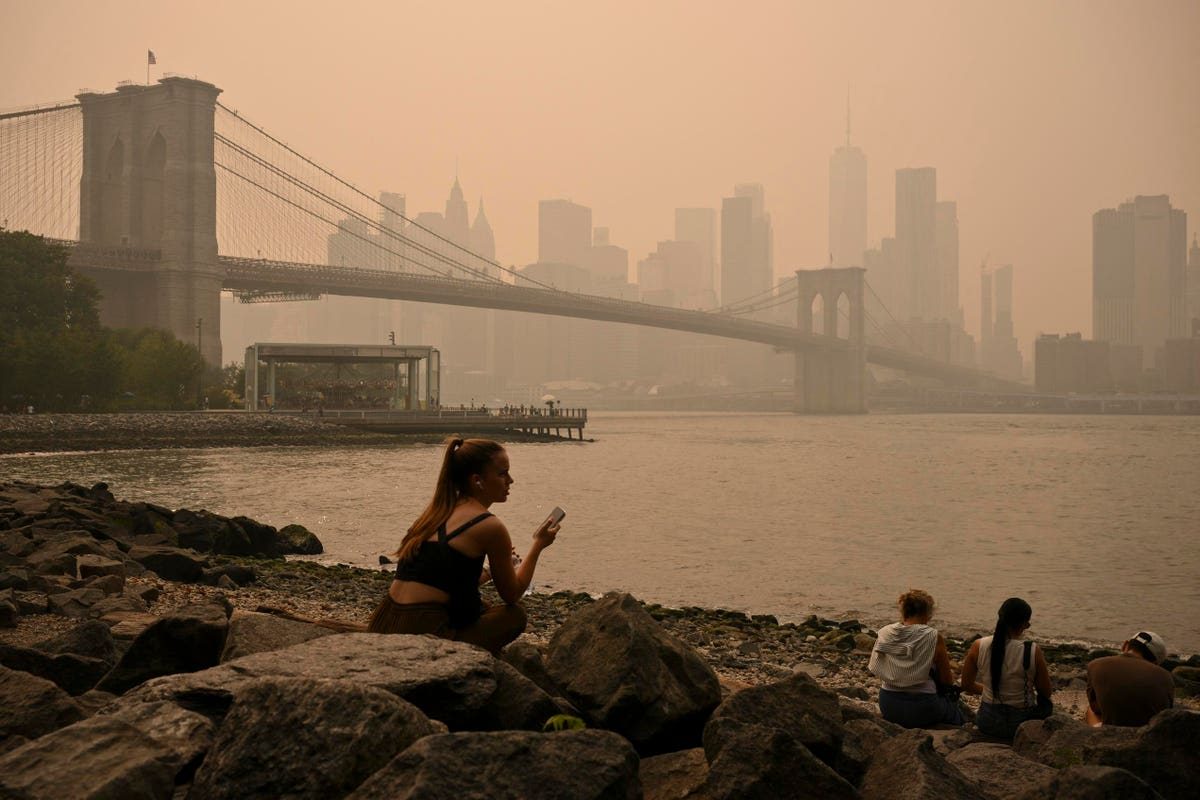
The National Weather Service issued alerts stretching from Minnesota to Maine as smoke from roughly 820 Canadian blazes, 156 of which remain out of control, drifted south. Major economic hubs, including New York City, experienced "unhealthy" air conditions and widespread haze, with poor air quality expected to persist through the weekend.
US lawmakers have amplified the pressure on Ottawa. Four Michigan Republicans asserted in a letter that Canada "has the tools to prevent" the smoke and "has chosen not to." Senator Bernie Moreno went further, stating he will table legislation to “sanction Canada and the responsible Canadian government officials for this atrocity.”
"Our constituents are breathing the consequences of this failure right now, and they deserve better than to be told, again, that it will be handled,” the Michigan lawmakers wrote.
For investors and corporate executives, the critical risk is the weaponization of an environmental disaster into trade policy. Canada is the largest US trading partner, and any tariff increases or sanctions would immediately threaten integrated supply chains, particularly in manufacturing and energy.
The broader economic toll of these events is already staggering. Wildfires cost the United States between $394 billion and $893 billion annually, according to the Joint Economic Committee, factoring in healthcare burdens, income loss, and watershed pollution.
Scientists note that human-driven warming has doubled extreme wildfire activity globally over the past two decades, lengthening fire seasons by more than a month. For markets, the immediate takeaway is that climate-driven disruptions are no longer theoretical risks, but active triggers for geopolitical and trade volatility.