Crypto App Promised to Turn $1.1M Into $20M, Now Investor Fears It Was All Fake
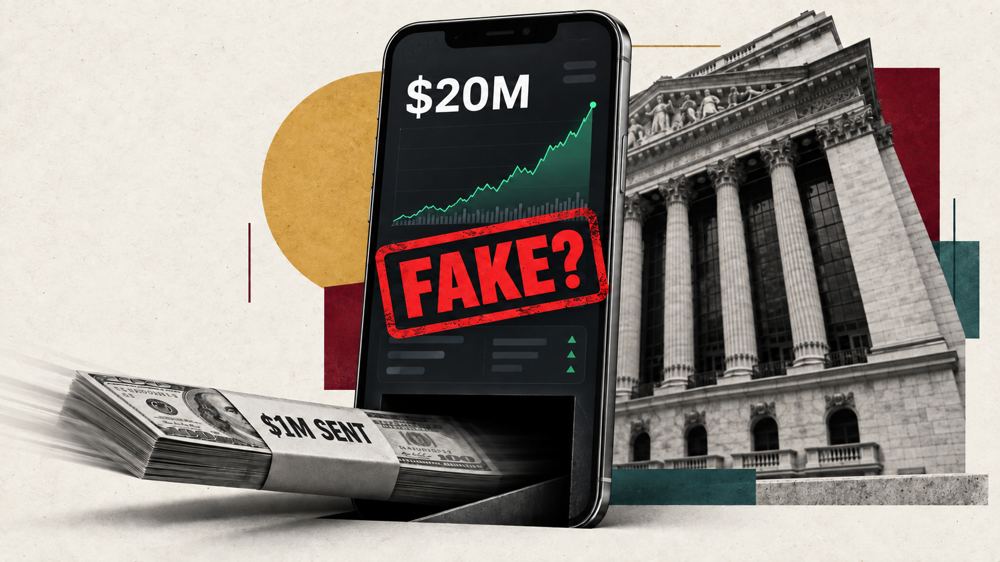
An anonymous investor says they transferred $1.1 million to a foreign crypto platform after receiving advice from someone who presented themselves as a senior Wall Street executive.
The platform displayed $2 million in a short turnaround, while the adviser allegedly guaranteed that the balance would reach $20 million by the end of August.
The FBI recorded 61,559 crypto investment fraud complaints in 2025.
A crypto investor fears losing $1.1 million after an apparent trading fortune promised by a foreign crypto app began to look increasingly fake.
The unnamed investor told MarketWatch that they invested on the recommendation of someone presented as an executive vice president at a major New York investment bank.
While the investor initially trusted both the adviser and the platform, their personal banker reportedly reached a very different conclusion.
"My personal banker believes the individuals involved are scammers," the investor wrote.
According to the account, the adviser controlled virtually every step of the investment between May 20 and June 30.
The pair communicated exclusively through WhatsApp, where the adviser allegedly dictated trades, explained how to make wire transfers, and instructed the investor on what to tell their bank.
The adviser also reportedly communicated directly with the platform's broker and warned the investor "not to tell anyone."
Disclosure could result in heavy fines or imprisonment for violating company and Financial Industry Regulatory Authority rules, the adviser allegedly said.
FINRA has warned that fraudsters regularly impersonate registered financial professionals and move conversations into encrypted services such as WhatsApp.
Some use the real names, employment histories, and regulatory records of legitimate advisers without their knowledge.
The investor transferred a combined $1.1 million to the platform.
By June 30, the account reportedly displayed approximately $2 million.
The adviser's guaranteed returns were then supposed to lift the balance to $20 million by the end of August.
That would represent an approximately 1,718% return on the original investment, or more than 18 times the capital deposited.
MarketWatch columnist Quentin Fottrell said even the $2 million displayed by the platform was "likely fictitious."
The publication also found online discussions alleging that the unnamed platform was fraudulent. Those warnings reportedly appeared at least seven months before the investor began transferring money.
Unless the funds can be independently withdrawn and verified, its possible the money does not exist.
The account follows several stages of the crypto investment-fraud playbook described by the FBI.
Fraudsters frequently pose as investment professionals, move communications to WhatsApp or Telegram, and provide step-by-step instructions for transferring money.
They may also coach victims on how to respond when a bank questions the payments, precisely what the MarketWatch reader alleges happened.
Once funds arrive, a professional-looking website or app begins displaying unusually large returns.
Some platforms initially allow small withdrawals to create confidence before encouraging progressively larger deposits.
When victims eventually attempt to remove their supposed profits, the platform may demand additional taxes or unlocking fees.
The FBI says those payments do not release the balance; however, they usually give criminals one final opportunity to extract money before disappearing.
Crypto investment fraud generated 61,559 complaints and $7.23 billion in reported losses during 2025, according to the FBI's latest annual report.
Complaints increased 48% from 2024, while reported losses climbed 25%.
The investor said they had already contacted the FBI's Internet Crime Complaint Center but were told that the initial submission lacked sufficient information.
The FBI advises suspected victims to "stop sending money to the suspected criminals" and submit every available transaction record to IC3.
The investor could also report the purported adviser to FINRA.
If the executive's identity is genuine, regulators and the investment bank could investigate whether the person participated, was manipulated or was being impersonated.
In July 2025, the Justice Department seized more than $325,000 connected to a fraudulent platform called Triangular.
The platform allegedly displayed fabricated profits and demanded additional fees when users attempted to withdraw. One Missouri victim reportedly lost more than $16 million.
The post Crypto App Promised to Turn $1.1M Into $20M, Now Investor Fears It Was All Fake appeared first on ccn.com .