Vulcan Starts Commercial Production of Lithium Extraction Material
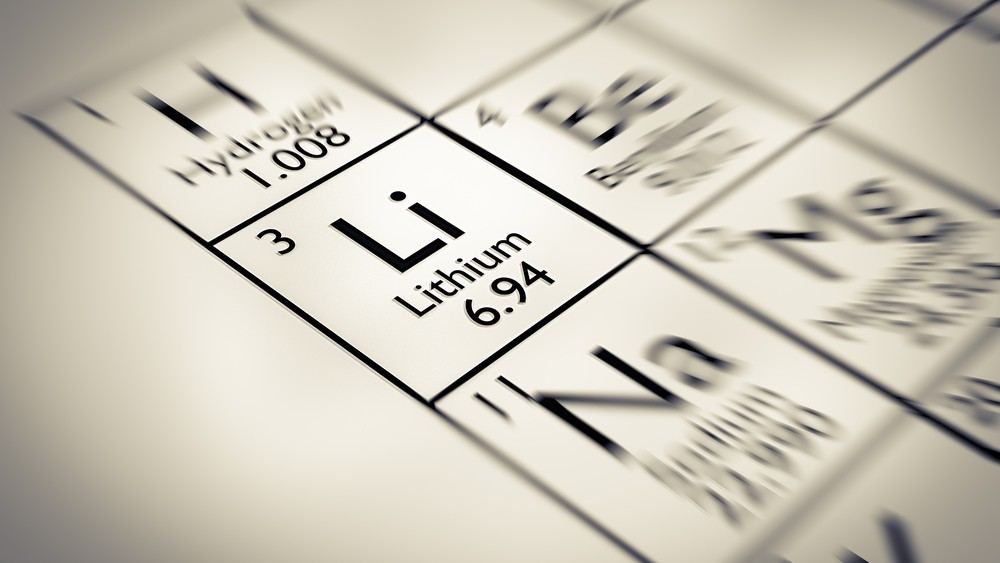
Vulcan Energy has begun commercial-scale production of its proprietary VULSORB lithium extraction material in Germany, marking another step toward the startup of the company's flagship Lionheart lithium project.
The material is used in Vulcan's adsorption-based direct lithium extraction, or A-DLE, process to selectively remove lithium from geothermal brines. Production now underway will provide the initial volumes required to fill Lionheart's extraction columns before the project is commissioned in the second half of 2028.
Vulcan said VULSORB has undergone years of laboratory and industrial-scale testing, including thousands of operating cycles. The company says the technology has achieved lithium extraction rates of as much as 95% under operating conditions.
The company has developed both the chemical formulation and manufacturing process for VULSORB and is producing the material through European manufacturing partners. Vulcan plans to continue manufacturing volumes over the next 18 to 24 months in preparation for Lionheart.
The move is also strategically significant as Western governments seek to reduce reliance on Chinese technology and supply chains for critical minerals. China, the dominant supplier of many direct lithium extraction technologies and materials, tightened export controls and licensing requirements covering some overseas technology transfers in early 2025.
Vulcan says its technology is backed by Western intellectual property and an ex-China manufacturing supply chain, giving the company greater control over a key part of its planned lithium production process.
Lionheart is located in the Upper Rhine Valley between Germany and France and is designed as an integrated geothermal energy and lithium operation. The first phase is targeting an annual production capacity of 24,000 metric tons of lithium hydroxide monohydrate, which Vulcan estimates would be sufficient for batteries for roughly 500,000 electric vehicles per year.
The project is also expected to produce about 275 GWh of renewable electricity and 560 GWh of renewable heat annually over an estimated 30-year operating life.
Vulcan intends to deploy VULSORB beyond Lionheart across additional Upper Rhine Valley developments, including Project Ludwig. The company also plans to license the technology selectively to third parties through its VULTEC technology business.
That strategy could give Vulcan exposure to lithium brine projects outside its core German operations without requiring the company to own and develop every resource itself.
The commercial-scale manufacturing milestone comes as direct lithium extraction technologies attract growing interest from miners, oil and gas companies and automakers seeking new sources of battery-grade lithium. DLE processes are being developed as an alternative to conventional evaporation ponds, particularly for brine resources where faster processing and a smaller physical footprint could offer advantages.
Vulcan's next major challenge will be translating its demonstrated extraction technology into reliable, large-scale production at Lionheart as it works toward the planned 2028 commissioning schedule.
Germany Weighs Market Incentives to Boost Record Low Gas Storage Level
TTF Gas Hits $92.95 as Gulf Tensions Weigh on Energy Markets
Oilprice Intelligence brings you the signals before they become front-page news. This is the same expert analysis read by veteran traders and political advisors. Get it free, twice a week, and you'll always know why the market is moving before everyone else.