Wall Street and Silicon Valley shift hiring away from elite degrees
Leading executives at Goldman Sachs, Berkshire Hathaway and Meta are prioritizing practical experience and AI adaptability over elite university credentials, signaling a fundamental shift in corporate talent strategy.
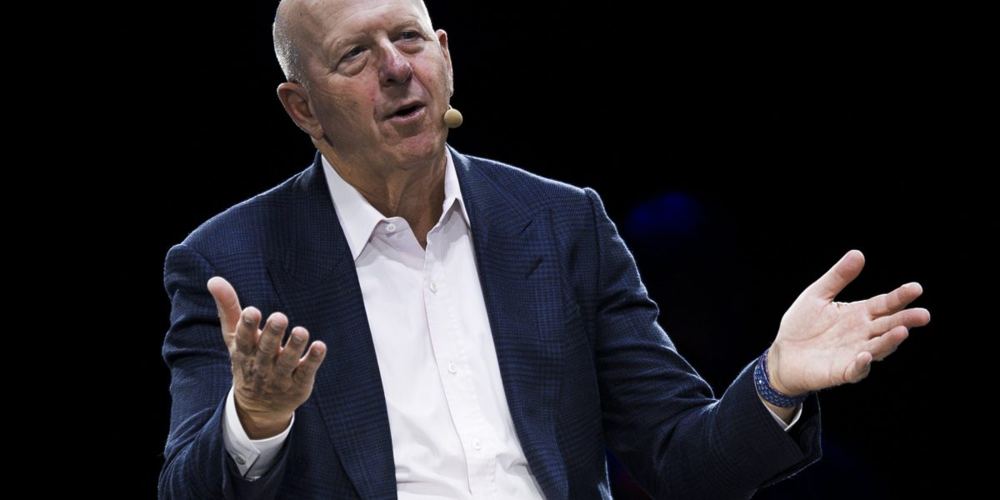
Goldman Sachs CEO David Solomon stated he favors candidates who are "smart enough" over the absolute smartest individuals, placing a premium on real-world experience. Speaking on Sequoia Capital’s Long Strange Trip podcast, Solomon argued that experience is "hugely underrated" and acts as a "big differentiator for the firm." He explained that the "smartest person in the world without a whole package of other things" will ultimately fail to navigate the $337 billion bank over the long run.
Solomon noted that while academic brilliance is acceptable, managing a complex institution requires resilience, determination and a proven track record when "the bumps come." This dismissive view of academic pedigree extends well beyond Wall Street. Warren Buffett, worth $147 billion, explicitly told shareholders in his 2025 annual letter: "I never look at where a candidate has gone to school. Never!"
Buffett pointed to Pete Liegl, the non-Ivy-league leader of RV manufacturer Forest River, noting "no competitor came close to his performance" when Berkshire acquired the company in 2005. Buffett argued that while great managers can come from prestigious schools, attending a "less prestigious institution or even not bothering to finish school" can sometimes yield superior operational leaders.
In the technology sector, the shift is driven by changing skill requirements, particularly around artificial intelligence. Former LinkedIn CEO Ryan Roslansky stated that the "future of work belongs not anymore to the people that have the fanciest degrees or went to the best colleges," emphasizing a hunt for AI-savvy talent. Meta's Mark Zuckerberg, a Harvard dropout, echoed this sentiment, warning that universities are failing to equip graduates with the skills employers actually need.
Zuckerberg predicted a "reckoning" regarding the necessity of higher education. He argued that it has historically been a "taboo thing to say, 'Maybe not everyone needs to go to college,'" but noted that public and corporate opinion is shifting as the labor market evolves.
For market participants, this pivot by some of the world's most valuable companies carries significant implications for human capital allocation. Corporate recruitment spending is likely to be redirected away from elite campus networking and toward internal training programs that build AI proficiency and practical expertise. Furthermore, as firms like Goldman Sachs explicitly weight experience during periods of market stress, investors may interpret these hiring filters as a mechanism to build more resilient management teams capable of navigating economic volatility.