France's $15.1B gold swap fuels European repatriation trend
The Bank of France secured a $15.1 billion profit by swapping older US-held bullion for newer Parisian reserves, a move reflecting a broader central bank shift away from American vaults that could pressure the dollar.
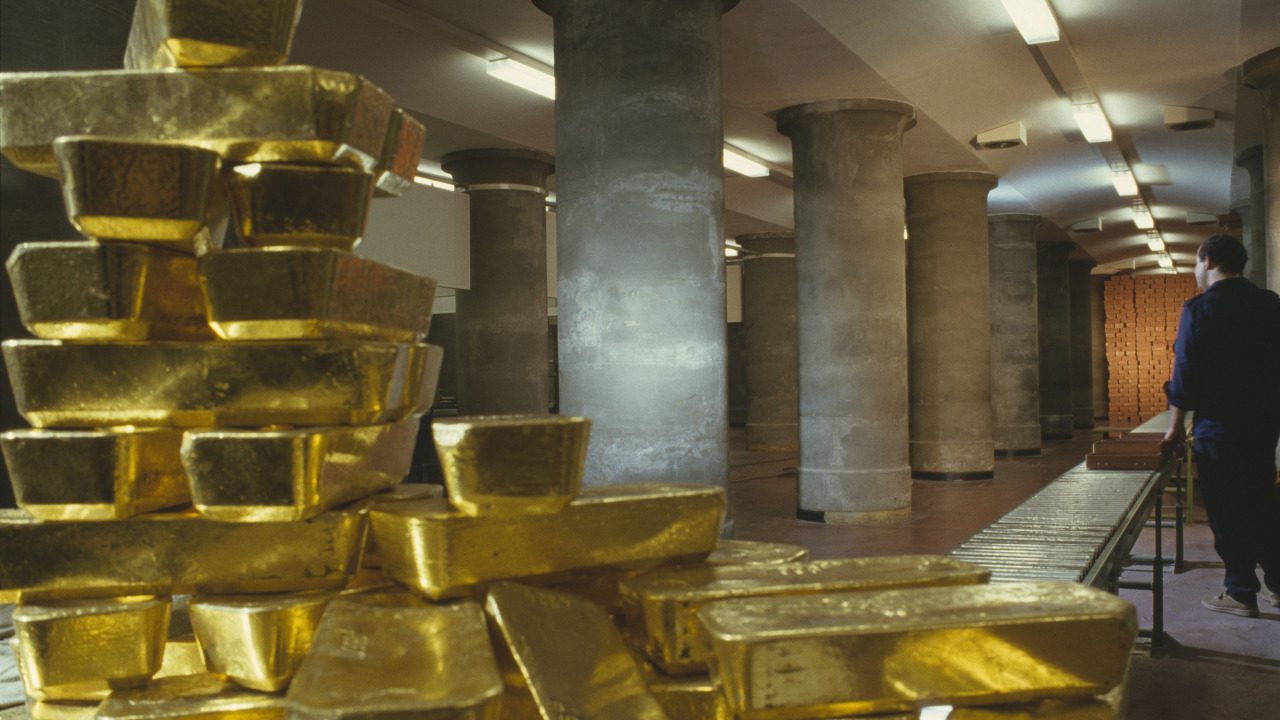
The Bank of France sold 129 metric tons of gold stored in New York and replaced it with higher-quality bullion held in Paris, netting a €13 billion ($15.1 billion) profit. Executed in mid-2025, the transaction did not reduce France's overall gold holdings. Instead, the central bank upgraded its reserves to newer bars that are easier to trade on the global market.
Francois Villeroy de Galhau, the central bank's governor at the time, stated the maneuver was not politically motivated. Nevertheless, the deliberate choice to source European bullion for domestic storage underscores a rising regional consensus. Across Europe, pressure is mounting to repatriate gold reserves historically stored in American vaults.
The French operation fits into a broader global strategy where central banks are buying gold at a pace unseen in decades while shifting those reserves closer to home. The World Gold Council's 2026 Central Bank Gold Reserves survey confirms this momentum. An overwhelming 89% of reserve managers expect global official gold holdings to increase over the next 12 months.
Furthermore, a record 45% of survey respondents specifically anticipate an increase in their own institution's reserves. The council noted that anxiety over inflation, volatile interest rates and escalating geopolitical instability remain the primary catalysts driving this institutional demand.
For investors and market executives, the implications of this trend are structural. While France's profitable swap was a tactical pricing victory, the wider push for domestic storage reflects a strategic reevaluation of financial security. As central banks increasingly rely on physical gold as a geopolitical hedge, the sustained accumulation and repatriation could gradually weigh on the US dollar and alter international reserve management.