K-beauty sales surge 48% in US, pressuring prestige prices
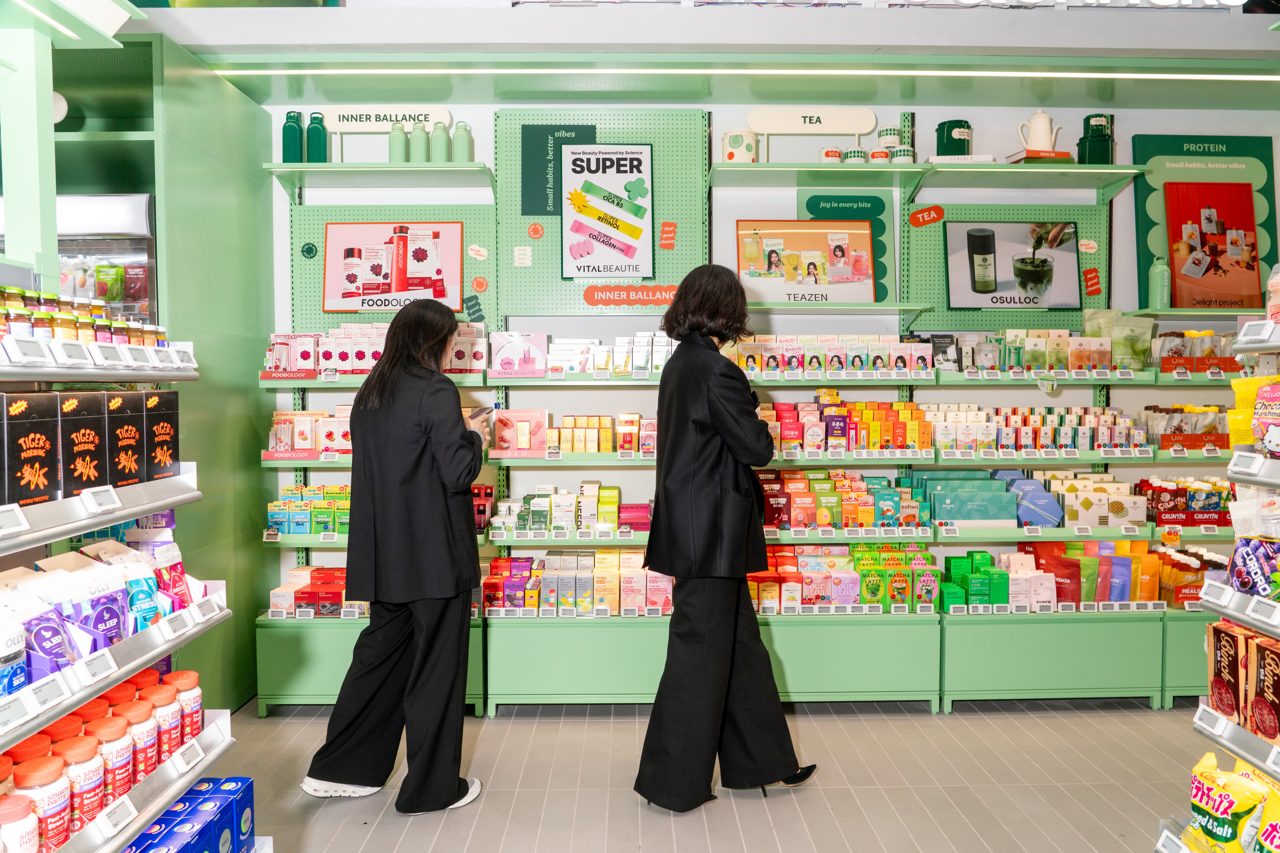
US sales of Korean beauty products jumped 48% to $2.8 billion, forcing major retailers to capture shelf space while presenting a risk to premium skincare margins.
US sales of Korean beauty products reached $2.8 billion in early 2026, a 48% year-over-year increase that accelerates the prior year's 45% growth rate. The category has penetrated 28.7% of US households, moving beyond a niche import into a structural shift in the beauty sector.
Retailers are racing to capture offline market share currently dominated by platforms like TikTok Shop and Amazon. South Korean retailer Olive Young recently opened two California locations, drawing 6,000 customers on its opening weekend and averaging 1,600 daily visitors. "The U.S. is not only the world's largest beauty market, but also one of the most influential in shaping global beauty trends," said Olive Young global communications lead Rena Kim.
Established US chains are rapidly expanding their Korean beauty inventories. Target quadrupled its K-beauty offerings this spring, adding over 150 new products and 10 new brands. Sephora partnered with Olive Young to bring the retailer's products to US stores and online. Morgan Stanley analyst Simeon Gutman projects K-beauty sales in the US could reach approximately $4 billion in 2026, citing "the rising popularity of K-culture and U.S. consumer demand for functional skincare products" as catalysts.
Ulta Beauty is similarly positioning itself to benefit. During its latest earnings call, Ulta CFO Christopher DelOrefice highlighted low-single-digit comparable growth in skincare and wellness, noting that Korean brands like Medicube, Peach & Lily, and Anua are driving healthy customer engagement. Investors will look for further details on this trend when Ulta reports its second-quarter figures on Aug. 5.
However, the K-beauty boom carries a distinct risk for the broader industry: average selling price deflation. K-beauty products typically retail in the $10 to $30 range, significantly lower than traditional prestige skincare. "If people who normally would have been a prestige skin care shopper spending $30 to $60 on something are now spending in the teens to in the 20s, obviously that carries downward pressure to the average spend in the category," said B. Riley Securities analyst Anna Glaessgen.
Glaessgen noted this risk is particularly acute among younger demographics entering the prestige market. "If they are finding efficacy in a $20 or $30 product, it might be more difficult to get them to trade up to something running in the hundreds," she said.
The ingredient-focused, maintenance-driven philosophy popularized by K-beauty is already forcing Western brands to adapt. "We don't think this is just a trend per se. We think that this is a bit of a shift in the market," said Raymond James analyst Olivia Tong. The shift is also beginning to reshape physical retail spaces, with shopping centers like Westfield Garden State Plaza in New Jersey expanding their lineup of Asian retailers to meet demand driven by social media discovery.