CMPC files $4bn Brazil pulp mill amid sector recovery
A cyclical upswing in hardwood pulp prices is emboldening Chilean forestry giants CMPC and Arauco to commit billions to new Brazilian capacity, while beverage group CCU prepares for a Heineken-influenced leadership transition.
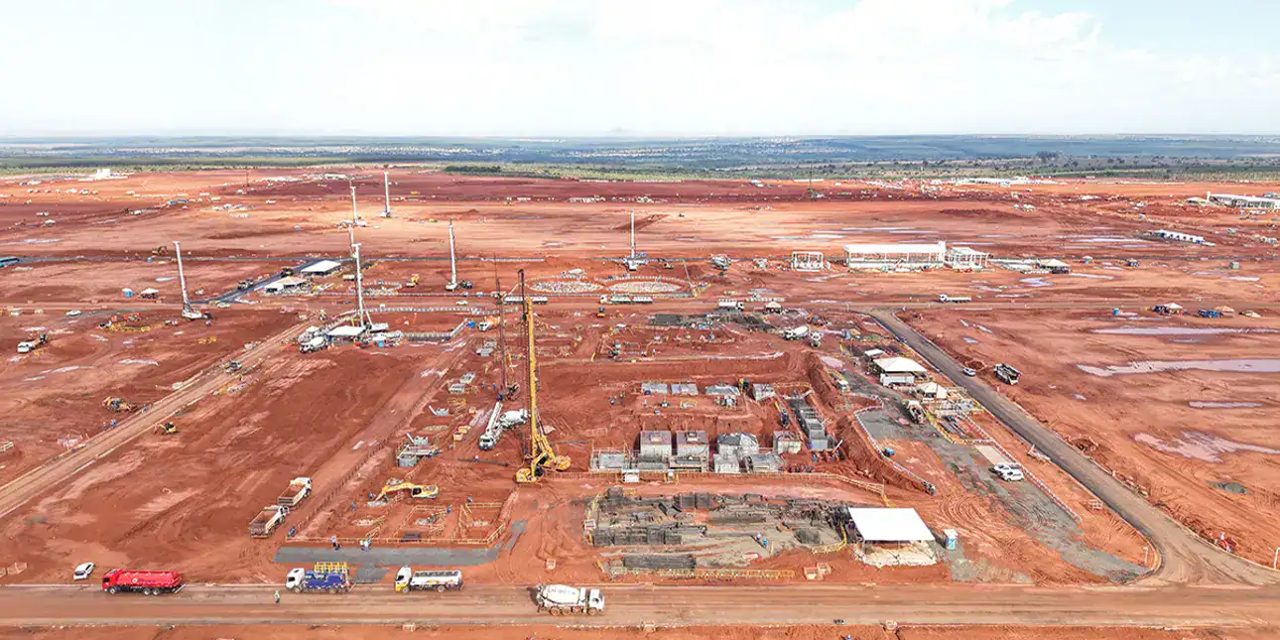
Empresas CMPC has filed with regulators to build a $4 billion pulp mill in Rio Grande do Sul, Brazil, as a global price recovery breathes life back into Chile's forestry sector. The proposed "Natureza" plant would initially produce 2.5 million metric tonnes of bleached hardwood kraft pulp annually. Chairman Bernardo Larraín Matte characterized the filing as part of a "new growth cycle," though final board approval is not expected until mid-2026.
The timing of this capital expenditure plan is supported by improving cash flows. CMPC reported Q4 2025 sales of $1,891 million and a 10 per cent quarter-on-quarter increase in net income to $37 million. While Q1 2026 net income fell 50 per cent year-on-year to $25 million due to planned maintenance at its Guaíba mill, management stressed that biopackaging margins and cost discipline are trending positively. For investors, the critical question is whether the price recovery is durable enough to fund the Natureza project without squeezing dividends or straining the balance sheet.
Rival Celulosa Arauco is making an even larger counter-cyclical wager. The company, controlled by AntarChile and the Copec group, is constructing the Sucuriú mill in Mato Grosso do Sul. At 3.5 million tonnes of annual capacity, it will be the world's largest single-phase pulp plant. Valued at over EUR 1 billion, the project was partly funded by recycling capital through the sale of Brazilian plantation assets to Klabin for $1,168 million.
However, Arauco's expansion carries significant environmental risk that could complicate its access to international capital. Watchdog groups have warned the Sucuriú site threatens the Três Lagoas biodiversity area. This follows a mass fish kill at Arauco's Licancel plant in Chile, an incident that has drawn intense scrutiny from ESG-focused lenders and investors.
CCU overhauls governance as Heineken influence grows
Away from forestry, Compañía Cervecerías Unidas is executing its most significant leadership change in almost three decades. Long-time chairman Francisco Pérez Mackenna resigned in January, and chief executive Patricio Jottar will step down on June 30 after 28 years in the role. He will be succeeded by Eduardo Ffrench-Davis, who will simultaneously navigate a deepening strategic alignment with Heineken as Americas region president Alexandre Othenio Carreteiro becomes vice-chairman on August 1.
Ffrench-Davis is moving quickly to reshape the beverage group under a strategy dubbed "Vamos por más." Starting in August, CCU will consolidate its Chilean beer and non-alcoholic units under Matías Bebin Subercaseaux and split its wine operations between domestic sales and export-focused innovation. The company is also seeking board approval to buy out Nestlé's 49.9 per cent stake in their water joint venture for roughly $175 million, a move that would simplify its portfolio.