Thiel casts AI and climate regulators as Antichrist
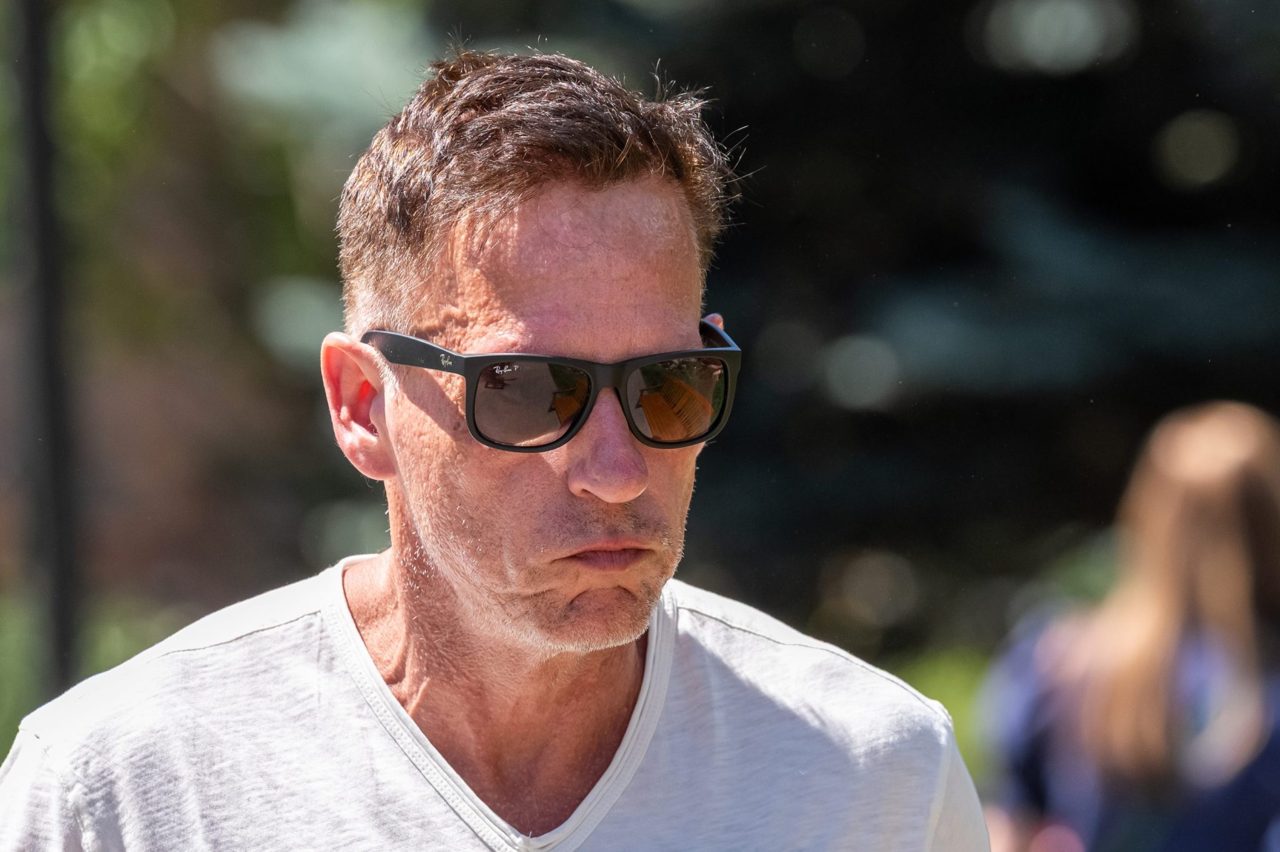
Tech investor Peter Thiel has published a theological essay casting AI and climate regulators as unwitting agents of the Antichrist, an ideological escalation that threatens to reshape the political debate over tech oversight.
Peter Thiel has co-authored a second essay in First Things magazine outlining his theory that the Antichrist is not a tyrant, but a technocrat. Written with Sam Wolfe, the piece argues this figure uses the language of safety, ethics, and global coordination to justify sweeping institutional authority over existential risks like artificial intelligence and climate change.
The essay introduces the concept of "legionnaires"—unwitting infantry for this apocalyptic figure. Thiel specifically identifies climate activists like Greta Thunberg and AI safety researchers like Eliezer Yudkowsky as legionnaires. He argues their push for worldwide treaties and coordinated AI moratoriums builds the institutional architecture a future consolidating power would need to rule.
This theological framework directly targets the regulatory structures governing major tech portfolios. The essay effectively describes the EU’s AI Act, the Paris Agreement, and external audits for companies like OpenAI and Palantir as instruments of a sinister force. Thiel has reportedly even extended this argument to Pope Leo XIV, framing the pontiff's openness to AI regulation as making him a vehicle for the same dangerous dynamic.
For markets, the significance lies in how this framework closes the door on regulatory compromise. By elevating policy disagreements over emissions targets or model weights to a cosmic level, Thiel is providing an intellectual mandate to dismantle the international bodies overseeing tech. His business interests align perfectly with this theology: Palantir relies on minimal oversight of its surveillance algorithms, and the AI companies in his network benefit from a permissive environment.
Thiel developed the argument using the 19th-century Russian philosopher Vladimir Solovyov and Pope Benedict XVI. He is already the most consequential political financier in Silicon Valley, having backed Donald Trump and J.D. Vance. By casting global coordination as inherently demonic, he is arming his political coalition with a rhetoric that makes harmonized tech regulation appear not merely economically harmful, but spiritually treacherous.