UK poultry growth plan sparks supply chain and security fears
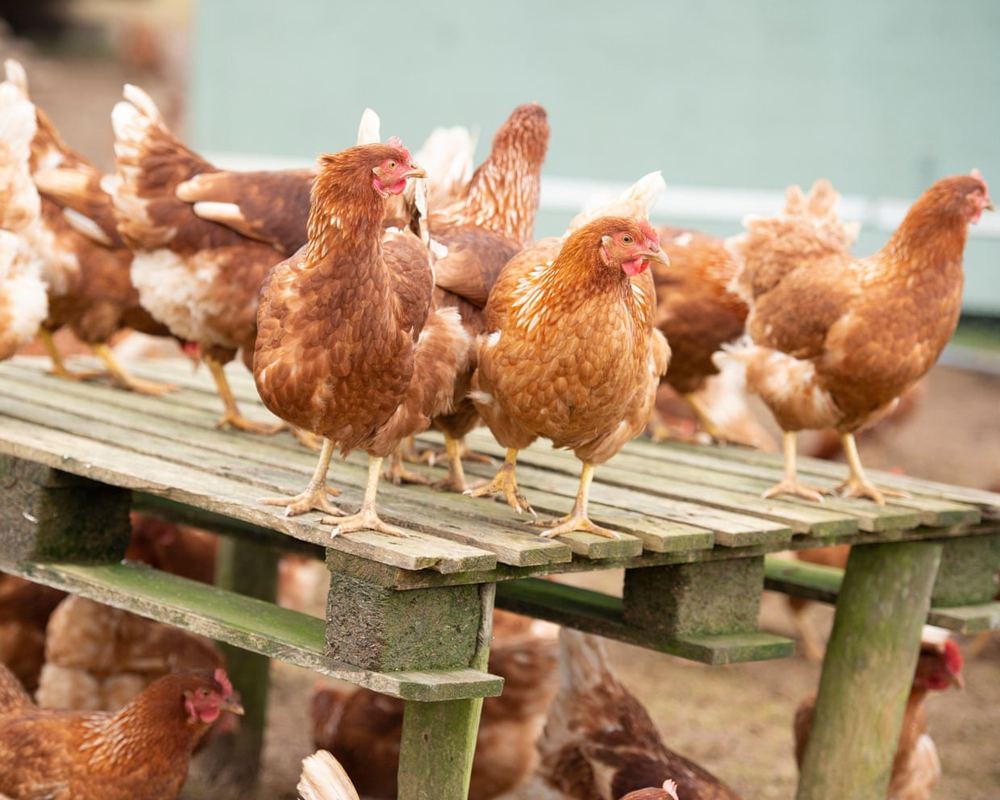
The UK government’s push to relax planning rules for intensive poultry farming has drawn criticism from campaigners who warn the reliance on imported animal feed exposes the country to severe supply chain shocks and food price inflation.
Ministers are rewriting UK planning rules to facilitate the construction of intensive livestock farms, a move Environment Secretary Emma Reynolds has framed as essential to boosting domestic food production. Reynolds told a recent agriculture festival that the government intends to use "different levers of the state" alongside a new Farming and Food Partnership Board, featuring leaders from the National Farmers’ Union and the Food & Drink Federation, to increase output. She identified local planning constraints as the primary obstacle to expanding the country's poultry sector.
However, the strategy has drawn sharp criticism from campaigners who argue it fundamentally miscalculates the supply chain risks inherent in intensive farming. Ruth Westcott of Sustain warned that "intensive poultry farming is highly resource-intensive, polluting and inefficient, so it can never be a solution to food security." The core economic vulnerability lies in feed imports. Maya Pardo of Communities Against Factory Farming highlighted the government’s own national security assessment, which warns that "animal farming at current levels is unsustainable without imports, soy from South America makes up 18% of produced animal feed."
This heavy reliance on imported feed exposes the UK to precisely the global disruptions the roadmap seeks to mitigate. The government’s 25-year farming vision explicitly warns that geopolitical instability, environmental degradation, and supply chain bottlenecks are already degrading national food security. It cautioned that these converging pressures could trigger "severe food price shocks" or even reduced availability of certain goods. These domestic policy debates mirror broader commodity market realities; Italian coffee company Lavazza recently noted that climate and geopolitical tensions will keep consumer prices elevated for years.
The proposed planning reforms have also exposed a divide within the agricultural sector regarding capital allocation. Harriet Bell of organic vegetable company Riverford said the industry welcomes regulatory changes that accelerate investment in reservoirs and renewable energy. But she stressed that planning reform "must not become a free pass for developments that undermine healthy water systems, biodiversity or animal welfare."
Looking ahead, market participants should expect food security to dictate the trajectory of agricultural policy. The government’s roadmap concedes that nature-friendly farming can sustain output while reducing fertiliser dependency. Tim Benton, a professor of population ecology at the University of Leeds, said food security will soon become the "organising principle" for the sector. He warned that policymakers must stop reacting to isolated risks and instead accept that "we’re in a new world where events are happening all of the time and will continue all of the time."