Tesla enters Uruguay as court shields bank secrecy from Argentina
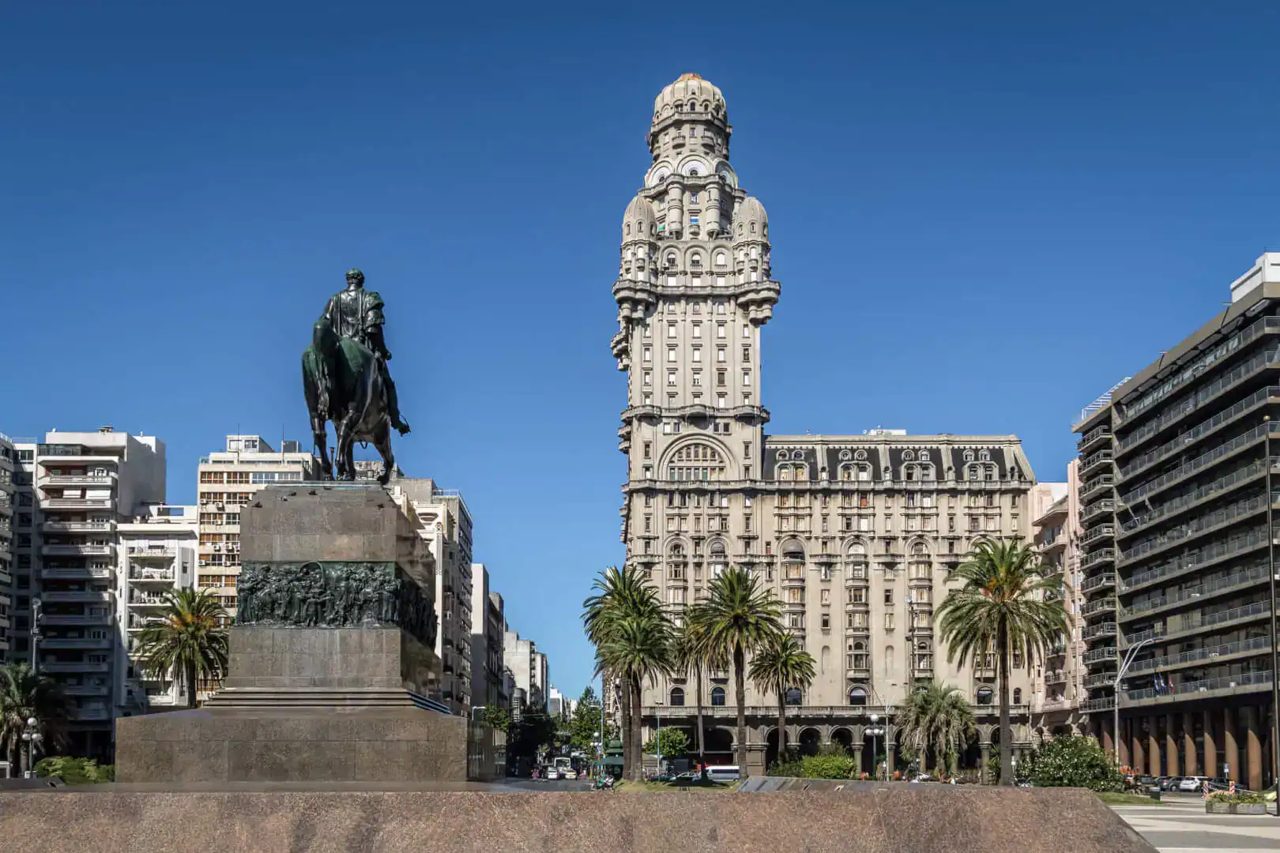
Tesla's launch in Uruguay coincides with a court ruling blocking Argentina's tax agency, reinforcing Montevideo's pitch to foreign investors as a predictable, rules-based market despite looming fiscal headwinds for premium electric vehicles.
Tesla has commenced operations in Uruguay, opening a showroom in Montevideo and offering the Model 3 and Model Y from US$32,990. The arrival coincides with a judicial ruling that blocked Argentina’s tax agency, ARCA, from lifting bank secrecy on a local account, highlighting Montevideo's dual strategy of commercial openness and strict legal boundaries.
The electric vehiclemaker enters a mature market where battery-powered cars recently exceeded 40% of new sales, largely fueled by a tax exemption that the government is now dismantling. Starting in January 2027, a new excise tax will impose a 9% levy on vehicles with a customs value above US$27,000, a bracket that encompasses Tesla’s entire lineup.
The new fiscal structure directly threatens Tesla’s pricing advantage, favouring cheaper Chinese manufacturers like BYD that can remain in the zero-tax bracket. Officials justified the shift by pointing to a US$156 million revenue shortfall from EV exemptions in 2025, a figure expected to surpass US$200 million this year. Tesla will now test whether its premium brand cachet can absorb the higher tariffs.
Separately, the Civil Court of Appeals rejected ARCA’s attempt to access Uruguayan banking records, establishing that bilateral information-exchange treaties do not permit automatic disclosure. The court mandated that foreign requests must meet strict domestic procedural standards, effectively banning speculative investigations by foreign tax authorities.
For international investors and expats, the ruling signals that Uruguay’s judiciary will actively enforce bank secrecy protections despite regional political pressures. This legal predictability is a cornerstone of President Yamandú Orsi’s economic pitch. During a recent meeting with Chinese business leaders, Orsi declared that "investing in Uruguay is a safe and profitable decision."
The broader macroeconomic environment supports this narrative, as the country maintains its investment-grade sovereign rating and targets a fiscal deficit of 2.6% of GDP by 2029. The provisional application of the Mercosur-European Union trade agreement in May further solidifies Uruguay's position as a stable regional gateway.
However, the administration faces domestic headwinds, with economic growth projected to slow to roughly 1.8% in 2026 and Orsi’s disapproval rating reaching 48%. The challenge for Montevideo is sustaining foreign capital inflows as fiscal realities force the end of lucrative subsidy regimes.