Rodríguez Unlocks IMF Reserves, Courts Gulf Capital As Oil Output Rises
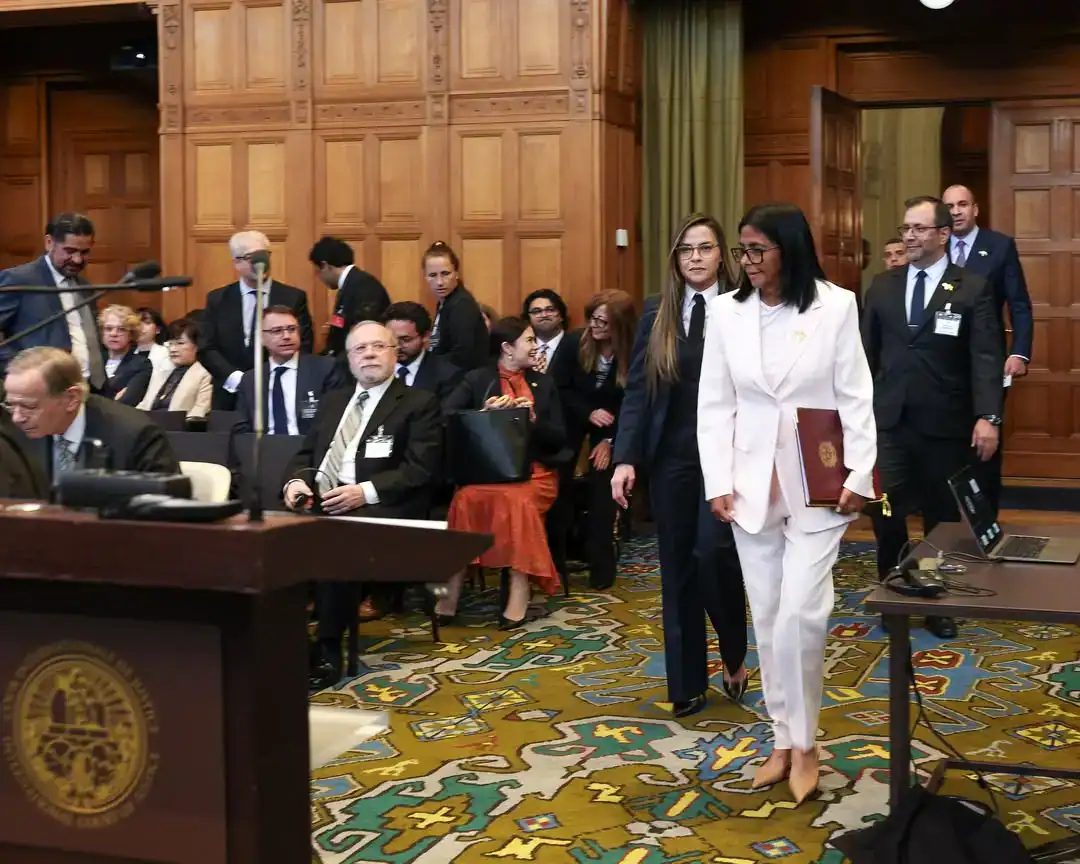
Venezuela has regained access to up to $5 billion in IMF reserves and is courting Saudi investment, offering frontier investors a rare opening in the oil-rich nation despite severe macroeconomic instability and a hardening anti-US political stance.
Acting President Delcy Rodríguez has secured the resumption of International Monetary Fund dealings, unlocking $4.5 billion to $5 billion in Special Drawing Rights after a seven-year freeze. The IMF restored Venezuela’s status on April 16 following a member vote, with Caracas planning an initial $200 million draw in late June for earthquake reconstruction. IMF Managing Director Kristalina Georgieva said the Fund is "poised" to offer further assistance once conditions are met.
The financial thaw coincides with a tangible recovery in Venezuela’s oil sector, the primary anchor for any economic normalization. Output reached 1.179 million barrels per day in May, a 10.6 percent year-on-year increase and a seven-year high, while exports hit 1.25 million bpd. Sanctions easing has enabled Vitol, Trafigura, and Chevron to expand operations, building on a revised hydrocarbons law passed in January that grants foreign firms greater extraction control, lower tax burdens, and independent arbitration.
Rodríguez told oil executives that sector investments reached roughly $900 million in 2025 and are projected to reach $1.4 billion in 2026, supported by 29 signed production-sharing agreements. Her public ambition is for Venezuela to become a "giant producer of hydrocarbons" comparable to Russia, the US, and Saudi Arabia. However, JPMorgan analysts caution that raising output to 2.5 million bpd could take up to a decade and require tens of billions in capital, pushing meaningful capacity growth to late 2027 or 2028 at the earliest.
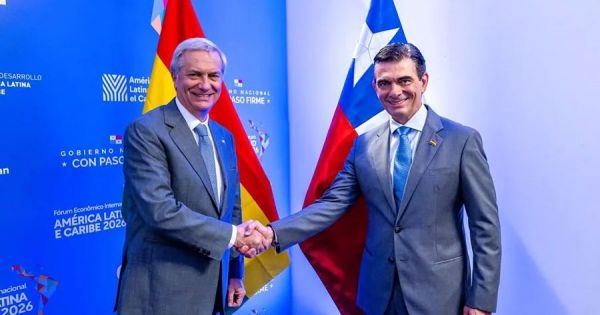
To bridge that capital gap, Rodríguez is actively courting Gulf states, recently pitching Venezuela’s "promising long-term investment prospects" at a Saudi-backed conference. No multibillion-dollar deals have been confirmed, with current Saudi involvement limited to political backing and sponsorship, but the diplomatic overture carries weight. If sovereign Gulf capital materializes, it could reduce Venezuela’s reliance on Western finance and alter the competitive dynamics for energy-sector participants.
This economic opening is paired with a hardening political line that complicates Washington’s conditional engagement model. Rodríguez has effectively refused new dialogue with the US and domestic opposition until sanctions are fully lifted, framing US actions as "invasive aggression." This stance creates a volatile backdrop for foreign capital, as further sanctions relief, needed for a broader oil recovery, remains tethered to political negotiations she has sidelined.
For frontier-market investors, the combination of rising crude output, accessible IMF reserves, and potential Gulf partnerships creates a liquidity pathway that did not exist six months ago. Yet the macroeconomic fundamentals remain deeply fragile, characterized by triple-digit inflation, a rapidly depreciating currency, and public debt hovering around 180 percent of GDP. The immediate test of this dual-track strategy will be whether Caracas can deploy the initial $200 million IMF draw transparently enough to unlock broader multilateral support.