Domestic Politics Paralyze Western Response to Iran Nuclear Threat

Escalating geopolitical risks in the Middle East threaten to disrupt global energy markets, as domestic political pressures in the United States and Europe prevent a unified strategy against Iran’s nuclear ambitions.
Domestic political calculations are currently overriding coordinated Western foreign policy regarding Iran’s nuclear program. President Donald Trump reportedly seeks to de-escalate the conflict with Iran, fearing that the economic impact could turn him into a “lame-duck” president ahead of the November mid-term legislative elections.
For global investors, this political paralysis signals prolonged regional instability and persistent energy market volatility. The US electorate’s sensitivity to gasoline prices means that any supply disruptions could directly influence whether Democrats take control of the House of Representatives and the Senate.
Despite ongoing Israeli and American efforts to slow its progress, the Iranian regime continues to stockpile enriched uranium and is rapidly approaching its nuclear weapons goal. The regime’s stated primary objective remains the annihilation of Israel, presenting a direct threat to regional sovereign stability and global trade routes.
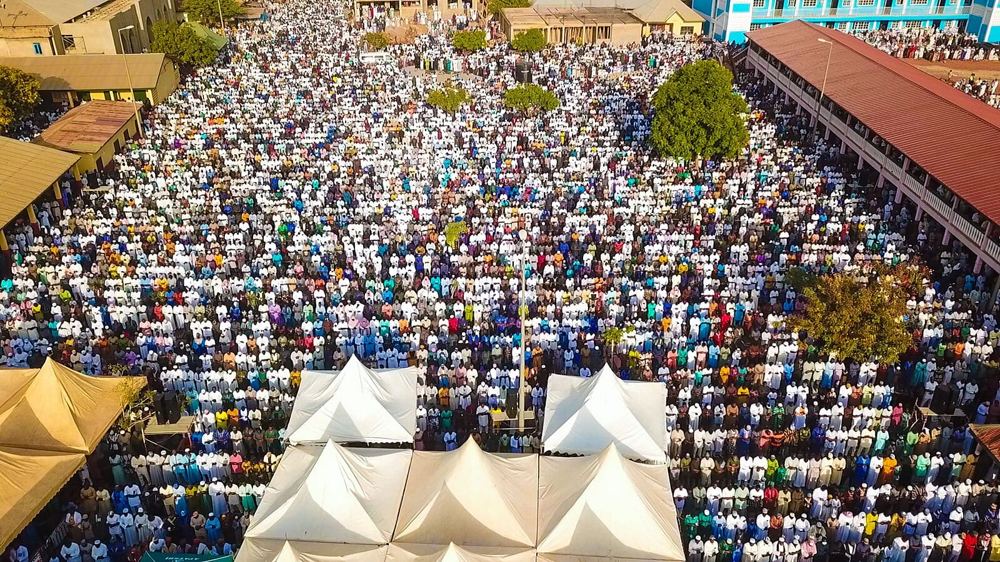
European governments are currently unwilling to support United States efforts to counter the Iranian regime. Policymakers in Europe fear a furious domestic backlash from local Muslim populations and left-wing political allies who regularly stage large demonstrations protesting Israel’s existence.
This geopolitical fragmentation leaves a critical security vacuum in a vital economic region. While China maintains strategic interests in the Middle East and would benefit from the removal of a destabilizing actor, it is currently capitalizing on the United States’ inability to bring down the Iranian regime using air power alone.
Furthermore, Iranian and select Sunni governments have systematically invested in the world’s most prestigious universities. They have lavishly endowed study programmes designed to promote the narrative that Islamic governance is fully compatible with democracy, complicating the formulation of hard security policies.
Market professionals must price in the reality that Middle Eastern geopolitical risks will remain elevated for the foreseeable future. Without a unified transatlantic response, the threat of sudden escalations affecting global energy supplies will persist as a structural market headwind.