Nigeria rules out raw cocoa export ban, prioritises processing
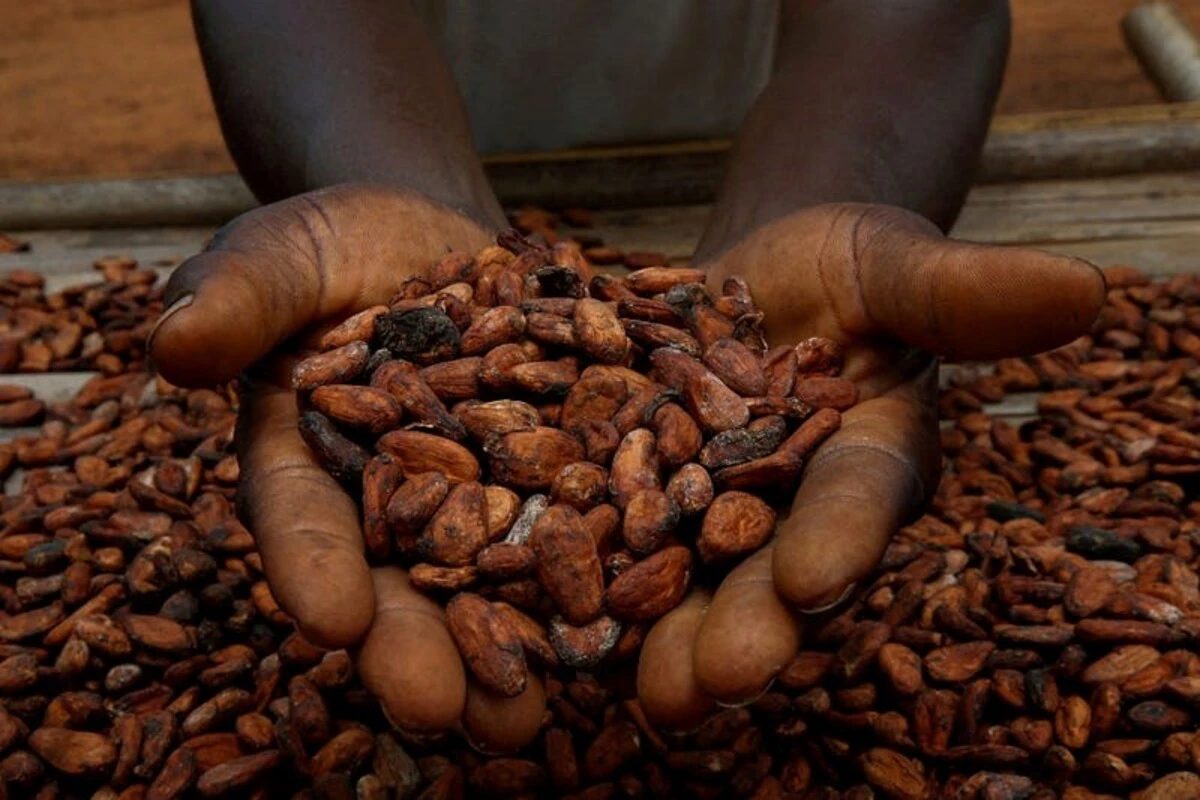
Nigeria's government has denied plans to ban raw cocoa exports, opting instead to incentivise domestic processing to maximise revenue from a sector that generated over N643 billion in the first quarter.
The Nigerian government has formally dismissed speculation that it plans to prohibit the export of raw cocoa beans. Senator Abubakar Kyari, the Minister of Agriculture and Food Security, stated on Friday that the administration's objective is value addition rather than an export ban.
Under President Bola Ahmed Tinubu’s Renewed Hope Agenda, the strategy aims to attract investment in domestic processing facilities for products like cocoa butter, cocoa powder and chocolate. Raw bean exports will be maintained as a critical revenue stream while the country gradually expands its local processing capacity. The government also plans to leverage improved traceability and compliance with international standards to secure premium pricing in global markets.
This policy clarity arrives as Nigeria's broader agricultural export sector faces significant headwinds. According to National Bureau of Statistics data released on June 8, total agricultural trade stood at N2 trillion in the first quarter of 2026, with exports accounting for N1.17 trillion. This represents a 31.2% year-on-year decline from N1.7 trillion and an 11.39% drop from the N1.32 trillion recorded in the fourth quarter of 2025.
Despite the overall contraction, cocoa remains the undisputed driver of Nigeria's non-oil export earnings. Superior quality raw cocoa beans alone generated N596.9 billion, accounting for 51% of total agricultural exports. When processed products like standard quality beans, roasted beans and butter are included, cocoa-related exports exceeded N643 billion during the quarter.
The data indicates a nascent but measurable shift toward higher-value exports. Natural cocoa butter ranked as the country's sixth most exported agricultural product, bringing in N41.69 billion and comprising 3.56% of total agricultural export earnings. Raw beans still dominate trade volumes, but the butter figures suggest early returns on the push for local processing.
“Our goal is to create an enabling environment that encourages more investment in processing, increases farmers’ incomes, creates jobs, and enables Nigeria to earn more from every tonne of cocoa produced,” Kyari said. For commodities investors and supply chain executives, the government's explicit rejection of a raw export ban removes a major near-term supply risk while signalling long-term structural changes in how West African cocoa reaches global markets.