Nigeria lures $10.37bn in Q1 as policy reset restores confidence
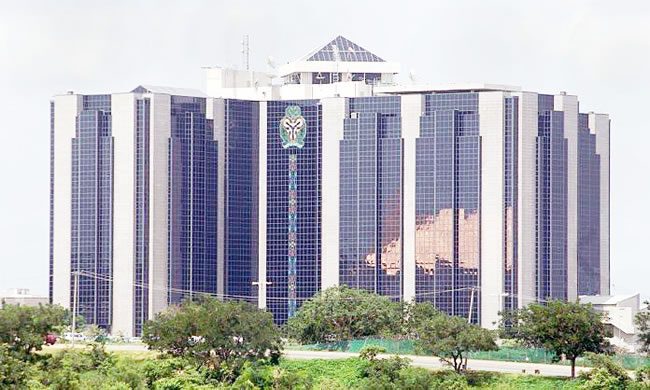
The Central Bank of Nigeria's consolidation of its 2023 monetary and foreign-exchange reforms has triggered a surge in capital inflows, equity valuations and sovereign ratings, though converting this financial-market optimism into broader economic growth remains the critical next step.
The Central Bank of Nigeria has spent the first half of 2026 locking in the monetary and foreign-exchange reforms initiated in 2023, yielding tangible results. Capital importation surged to $10.37 billion in the first quarter, a 61 percent increase from the previous quarter's $6.44 billion. Portfolio investors drove this return, accounting for $9.86 billion, or more than 95 percent of the total.
That renewed appetite pushed the Nigerian Exchange All-Share Index up 45.95 percent by June 29, adding ₦46.6 trillion in market capitalisation to reach ₦146.56 trillion. These equity gains were supported by improved foreign-exchange liquidity, a firmer naira and greater policy predictability. In dollar terms, Nigerian equities delivered a 67 percent return by early July, topping 92 global exchanges tracked by Bloomberg and narrowly beating South Korea’s Kospi.
International rating agencies have validated the stabilising macroeconomic environment. S&P Global Ratings upgraded Nigeria’s sovereign credit rating to ‘B’ with a Stable Outlook in May, a shift that directly influences risk perception and sovereign borrowing costs. FTSE Russell also announced in April that Nigeria would regain its frontier market status from unclassified, though a July transition to a T+1 settlement cycle prompted the index provider to place that reinstatement under further review.
Underpinning these market moves are stronger national accounts and a more resilient financial sector. Gross external reserves climbed to roughly $51.5 billion in June, a jump of approximately $1.9 billion during the month, bolstered by orderly foreign-exchange conditions and improved oil receipts. Separately, the central bank concluded a banking sector recapitalisation programme that saw 33 banks raise ₦4.65 trillion, with domestic investors supplying 72.55 percent of that capital.
There are also early signs that this stability is translating into longer-term capital commitments. UNCTAD’s 2026 World Investment Report shows foreign direct investment jumped 148.4 percent to $4.01 billion in 2025, up from $1.61 billion in 2024. The broader value of the banking recapitalisation, however, will depend on whether stronger balance sheets translate into greater credit for manufacturing, infrastructure and agriculture.
For investors and executives, the central bank’s success in restoring financial-market credibility is an essential foundation, but it is not the final goal. Restored confidence should not be mistaken for completed reform. The real measure of success will be whether this confidence moves beyond financial markets and becomes visible throughout the real economy in the form of jobs and productive investment.