Vamos 60% order jump bets on Brazil rate cuts
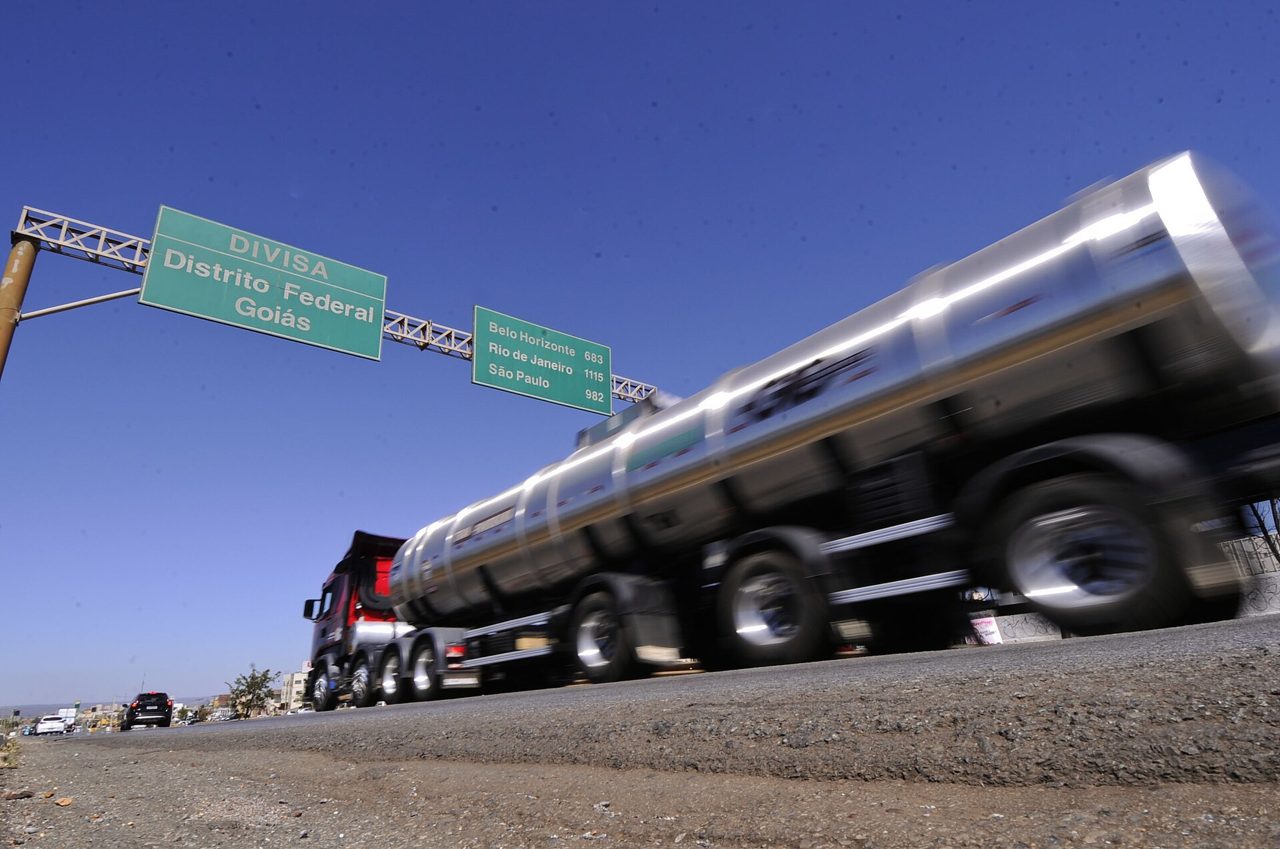
Vamos's 60% surge in contracted capex shows Brazilian logistics firms are outsourcing fleets despite high rates, making the stock a pure play on future central bank easing.
Vamos Locação de Caminhões pre-released second-quarter indicators showing contracted capital expenditure surged 59.6 percent, signaling that Brazilian freight operators are committing to long-term fleet renewals despite a double-digit interest rate environment.
The truck rental giant reported net revenue of R$1.55 billion ($304M) for the quarter, a 10.1 percent increase, with its core rental segment generating R$1.08 billion. Shares rose as much as 6 percent intraday before paring gains, as investors await full financial statements due in August.
A contracted capex increase of this magnitude is effectively an order book expansion. When a client signs a five-to-seven-year lease, Vamos purchases the vehicle and locks in future revenue streams. The near-60 percent jump indicates logistics companies have abandoned hopes of cheap credit and are instead outsourcing their capital requirements.
This dynamic fuels Vamos’s "Sempre Novo" fleet renewal program, which grew 51.6 percent. Clients rotate into new trucks on a set schedule, allowing Vamos to sell the used inventory through its 43-store dealership network. These asset sales rose 12.6 percent to R$365 million, recycling capital to fund new purchases.
Vamos is, financially, a truck-shaped bank. Net debt sits at more than six times equity, leaving no cushion if contract yields disappoint or used-vehicle prices fall. While EBITDA has tripled since 2021, net profit has halved over the same period as the central bank's high Selic rate repriced the financing costs on the entire fleet.
The stock's trajectory now rests squarely on Brazilian monetary policy. With R$16.5 billion in funding on the books, every 100 basis point cut in the Selic flows directly to the bottom line. The pre-release strategy, mirroring a similar move by sister company Movida days earlier, appears designed by the Simpar group to anchor the narrative that demand is strong and the only remaining constraint is the cost of money.
Risks to this thesis remain, particularly because agribusiness, a core customer base, is mid-crisis. Furthermore, a preview of operating metrics provides no visibility into the actual margins of these new contracts. Until August's full report clarifies profitability and leverage, Vamos remains a proxy for Brazilian rate cuts rather than a traditional industrial growth story.