Trump outpaces all of Congress in stock trades while backing a ban that excludes him
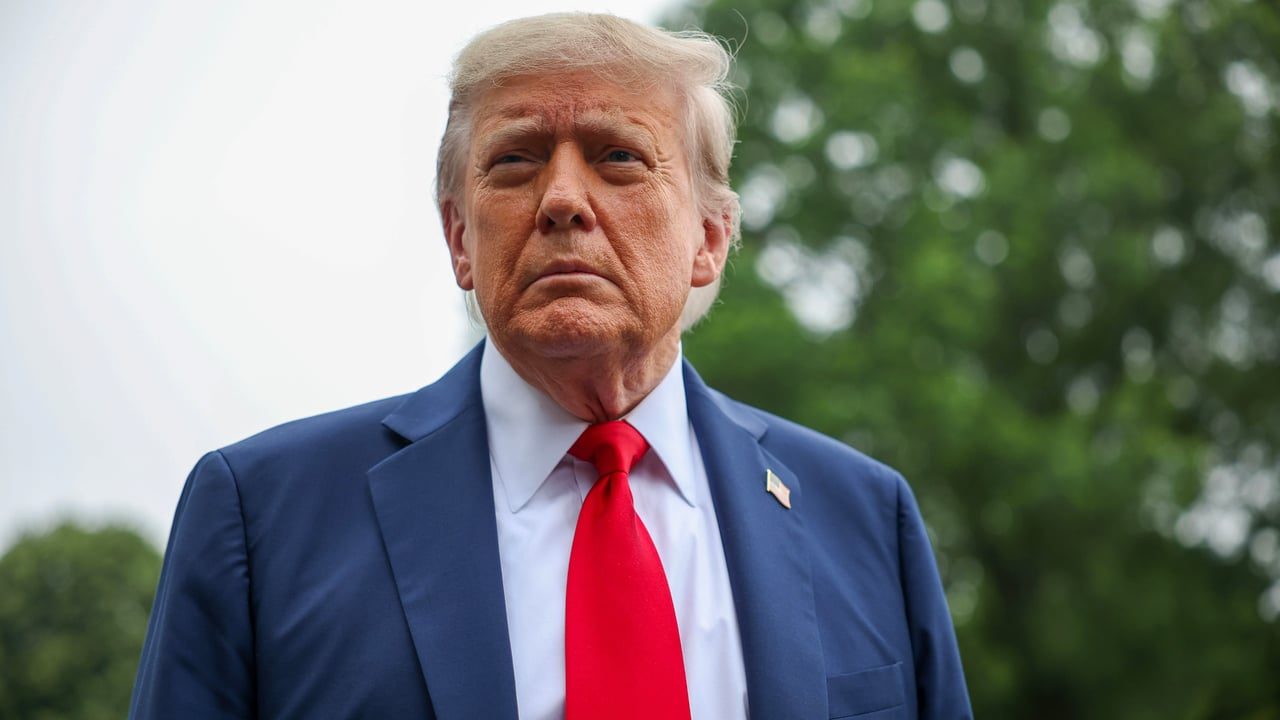
Since taking office again in January 2025, President Donald Trump has outpaced every member of Congress combined in securities trading, even as he endorses legislation that would prohibit lawmakers from trading stocks while leaving the president unrestricted, according to Bloomberg .
Based on an analysis of security transaction disclosure forms, Trump's trading pace works out to roughly 80 transactions on each market day. His current holdings span thousands of positions across equities, fixed income, and digital assets, a sharp contrast with his first term, when his reported wealth was concentrated in real estate and other non-public business interests. He logged more than 21,000 trades in 2025, with transactions totaling as much as $1.06 billion, according to Bloomberg.
The House measure Trump has backed, which cleared the chamber in July, applies solely to sitting lawmakers along with their spouses and minor children. The president, however, faces no such restriction under the bill, despite holding unmatched access to classified intelligence and the capacity to move markets through a single executive action or social media post, according to Bloomberg.
Trump expressed support for the measure in his State of the Union address earlier this year, saying it should be passed "without delay" so Congress "cannot corruptly profit from using insider information." After Senator Josh Hawley pushed legislation that would have subjected the president and vice president to the same trading limits, Trump turned on his fellow Republican, branding the Missouri senator a "pawn" and denouncing him on the social media company he controls, according to Bloomberg.
White House Spokesman Davis Ingle said Trump plays no role in the trading. "Neither President Trump nor any member of his family has any ability to direct, influence, or provide input regarding how the portfolio is invested or when investments are bought or sold," Ingle said; he added that outside financial firms oversee the accounts through automated model portfolios benchmarked to indexes such as the Schwab 1000.
Kedric Payne of the Campaign Legal Center said that potential conflicts extend beyond questions of insider trading. "Even if they're not trading the stock on non-public information, they still create the appearance of a conflict of interest because they can still influence the value of the stock through their official duties," Payne said.
An Economist/YouGov poll of 757 U.S. adult citizens conducted May 22-26 found that three-quarters opposed allowing members of Congress and other elected officials to buy and sell stocks.
Republican strategists see the issue of congressional stock trading as a potent wedge heading into this fall's midterm contests. Representative Anna Paulina Luna made the case at a two-day Republican convention in Dallas last week. "The American people deserve to know that those they elect to public office actually serve the American people and not their own wallets," Luna said.
The broader legislative push faces significant obstacles. The House measure was attached to a voter identification bill that Democrats consider a poison pill in the Senate, while in committee Hawley stood as the sole Republican to back his own Senate bill.
Trump's trading activity has drawn scrutiny beyond the congressional debate. His accounts recorded 1,051 transactions in June alone , with total transaction values ranging from $78.1 million to $263.1 million. Senator Elizabeth Warren and Representative Robert Garcia have separately demanded that Trump identify the money managers behind his accounts and explain more than 30 transactions they said raised questions about whether he was using his office to benefit his personal portfolio.