Nvidia backs Gradium as voice AI seed round tops $100m
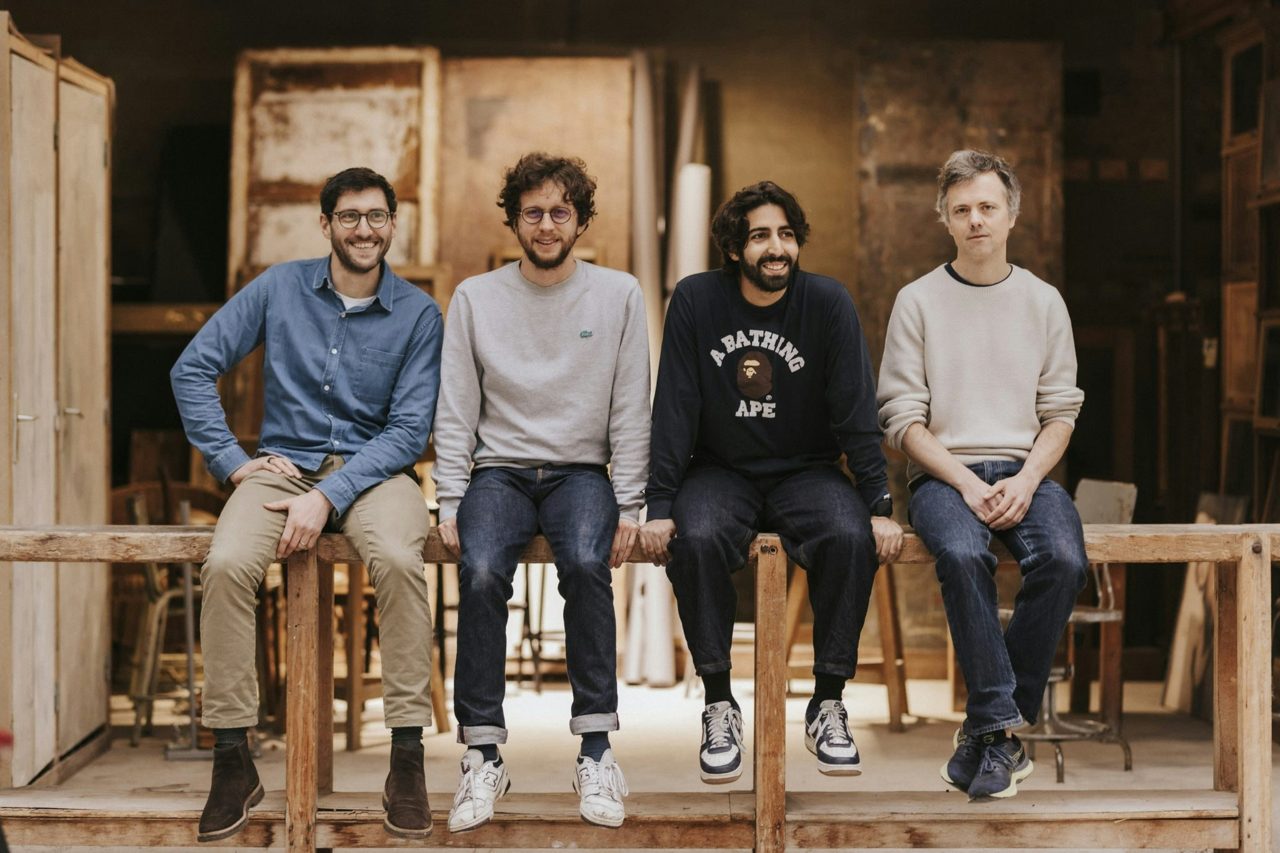
French voice AI startup Gradium has extended its seed round past $100 million with backing from Nvidia, highlighting the intense capital demands and rapid consolidation of the emerging voice model market.
Gradium has raised $30 million in fresh funding, extending its seed round to more than $100 million just seven months after launching. The extension adds US chip giant Nvidia to an investor base that includes Firstmark, Eurazeo, Xavier Niel, Rodolphe Saadé, and former Google CEO Eric Schmidt. The French startup declined to disclose its latest valuation.
A seed round of this magnitude signals the immense computational costs required to train foundational voice models. Securing Nvidia as a backer provides a strategic endorsement from the dominant hardware provider essential to developing these systems. Gradium spun out of Kyutai, a Paris non-profit AI lab launched in 2023 with €300 million from Niel, Saadé, and Schmidt.
The company sells tools that allow developers to build voice applications, offering real-time text-to-speech, speech-to-text, and translation models optimized for edge devices like laptops and smartphones. It has also released an open-source framework for constructing voice agents. Gradium reports enterprise adoption across healthcare, customer relations, and video game development, pointing to a broad commercial market.
“The voice AI sector is strongly accelerating,” said Gradium cofounder Neil Zeghidour. European voice AI startups raised €536 million in the first half of 2026, a nearly 50% increase from the €360 million raised during the same period in 2025. The market is establishing elite valuation tiers, with London-headquartered ElevenLabs reportedly targeting a $22 billion valuation on the secondaries market.
US giants like OpenAI are also advancing voice technologies, but the market for training complex models remains remarkably narrow. “Thousands of startups and enterprises are using voice models to build new applications, but there are less than a dozen players capable of training these models at scale,” Zeghidour said. Gradium plans to use the new capital to open a San Francisco office and accelerate research.
To maintain its edge among that limited field of competitors, the startup is betting on development speed. “There is therefore intense competition when it comes to the models themselves, but concentrated between a limited number of players,” Zeghidour said. “We are publishing new models almost every month, whereas development cycles are usually much longer — between six and twelve months — for some of our competitors.”