US Health Offshoring to Philippines Fuels $4.5bn Sector
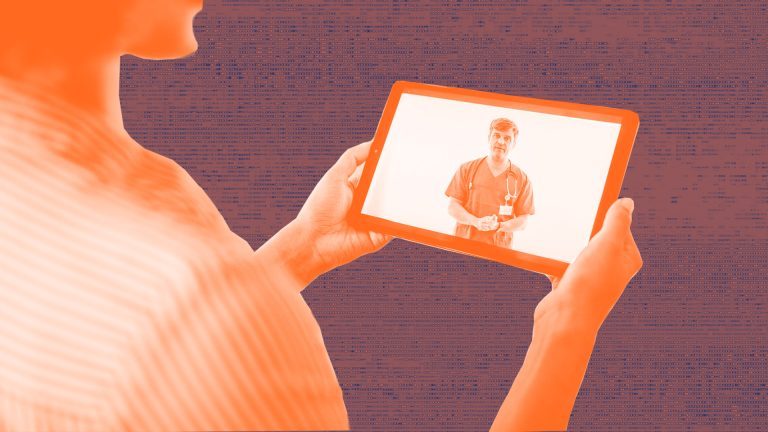
U.S. healthcare companies are quietly offshoring clinical support tasks to the Philippines, slashing labor costs by up to 70% to combat a domestic nursing shortage.
U.S. healthcare companies are increasingly shifting intensive care monitoring, patient triage, and administrative tasks to remote workers in the Philippines, exploiting a severe labor cost differential to address a domestic shortfall of nearly 80,000 registered nurses.
The practice has propelled the Philippines' outsourced health sector to $4.5 billion in revenue in 2025, according to the Healthcare Information Management Association of the Philippines. The industry now employs about 210,000 full-time personnel, nearly a third of whom are nurses or other medical professionals.
For U.S. hospitals and clinics, the financial incentive is substantial. Employers can reduce labor costs by up to 70% by hiring Filipino workers, who typically earn between $5 and $10 per hour compared to the average U.S. registered nurse pay of over $45 an hour.
The offshore workers function largely as high-level aides rather than independent practitioners. “We’re not nurses, more like nursing aides,” said Chris, a former remote worker in Manila. “We didn’t make the decisions for care, we just informed [on-site nurses] that the blood pressure was high. It was up to them to give the meds.”
The offshoring model is evolving alongside artificial intelligence. As companies automate routine tasks like note-taking, they are relying more heavily on offshore human oversight for complex monitoring. The Philippines has grown into a “clinical process outsourcing powerhouse … [and] a premier global hub for supporting overstressed international healthcare systems,” said JL Botor, president of HIMAP.
Despite the cost savings, U.S. healthcare providers often obscure the practice. Medical facilities frequently “white-label” overseas contractors as their own employees to avoid public pushback. “So if places are utilizing folks from other countries, they may not be as transparent about it,” said Sarah Matt, physician and author of The Borderless Healthcare Revolution.
The trend is accelerating through gig nursing platforms like Clipboard Health, Kare Technologies, Nursa, and ShiftKey, which have gained traction as more than a dozen U.S. states introduced bills recognizing on-demand healthcare models. However, these platforms often recruit without rigorous interviews or background checks, raising safety concerns.
While U.S. facilities report reduced overtime and lower administrative burdens, the labor arbitrage extracts a toll on the source country. “If they can’t go abroad, remote nursing is the next best thing because local wages are so low,” said Nico Uba, secretary-general of Filipino Nurses United. “Then local hospitals are left understaffed and overworked.”