Lockheed Martin Yields 2.6% and Trades at 17.6 Times Earnings. Is Wall Street Right to Be Cautious on the Stock ?
Given Wall Street's usual optimism, the three buy ratings, six hold ratings, and one sell rating (from Goldman Sachs ), according to Visible Alpha, indicate a cautious view of Lockheed Martin (NYSE: LMT) stock. That may surprise many investors, given the company's attractive valuation, all-time-high backlog of $230 billion in the second quarter (almost three times its estimated 2026 sales), and surging global defense budgets.
Missed Nvidia in 2009? This Rare Signal Is Flashing Again. In 2009, a "Double Down" signal flashed for a little-known chipmaker called Nvidia. For the first time in years, that same "Total Conviction" signal is flashing for a company 1/100th the size of Nvidia. Continue »
I'll cut to the chase here. I think the caution is justified for three key reasons:
A combination of increasing complexity and government demands, notably from the U.S. government, is placing stress on fixed-price development programs, bringing about significant charges and cost overruns for defense companies in recent years.
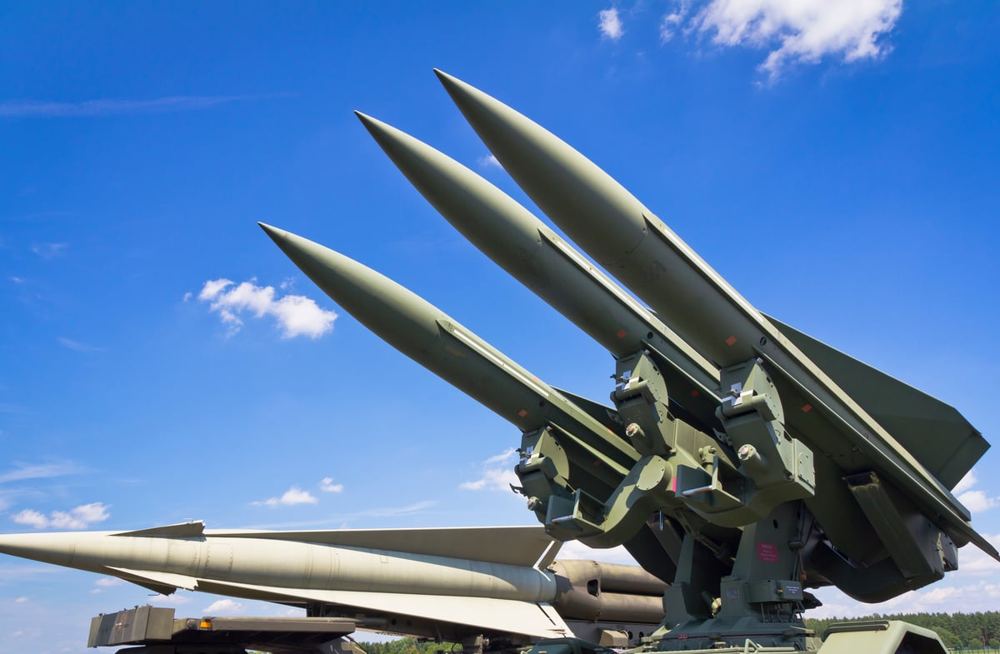
In common with Boeing 's (NYSE: BA) defense business, Lockheed Martin has relatively high exposure to these sorts of developmental programs (classified missile and aeronautics programs and the F-35 fighter serve as examples) when compared to, say, RTX (NYSE: RTX), which has relatively more solutions based on repeatable production such as Tomahawk missiles, PAC-3 missile segment enhancement, and advanced medium-range air-to-air missiles (AMRAAMs).
Defense budgets may have surged, but so has government debt, and real questions remain about where global defense budgets can go from here.
To flesh out the points above, consider that Boeing's management has said fixed-price development programs account for only 15% of its defense segment's revenue, yet these programs have led to ongoing losses even as the rest of the segment remains profitable. In addition, they run over five separate programs.
Lockheed Martin has significant exposure to fixed-price contracts, with $45 billion of its $75 billion in 2025 revenue coming from such contracts. In comparison, RTX's Raytheon defense business reported just $16.6 billion in fixed-price contracts in 2025, compared with the company's overall revenue of $88.6 billion. In addition, RTX has been willing to walk away from unfavorable contracts.
However, Lockheed Martin's exposure increases risk, especially as the defense industry has drawn criticism from both Republican (including President Trump) and Democratic politicians for making share buybacks and paying dividends while failing to deliver on programs.
The bulls maintain that these issues are already reflected in the stock's valuation, and they would have a point. In addition, the current backlog ensures strong revenue over the medium term, with robust cash flow in tow.
Still, pressure on defense companies from increases in highly complex, difficult-to-deliver defense programs under fixed-price contracts appears to be part of a trend. Moreover, another clear trend, rising debt levels, is likely to put pressure on defense budgets.
As such, investors shouldn't assume defense spending will rise inexorably, and they should assume more strain on profit margins. That's the reason for caution.
Ever feel like you missed the boat in buying the most successful stocks? Then you'll want to hear this.
On rare occasions, our expert team of analysts issues a "Double Down" stock recommendation for companies that they think are about to pop. If you're worried you've already missed your chance to invest, now is the best time to buy before it's too late. And the numbers speak for themselves:
Nvidia: if you invested $1,000 when we doubled down in 2009, you'd have $580,846 !*
Apple: if you invested $1,000 when we doubled down in 2008, you'd have $60,153 !*
Netflix: if you invested $1,000 when we doubled down in 2004, you'd have $410,024 !*
Right now, we're issuing "Double Down" alerts for three incredible companies, available when you join Stock Advisor , and there may not be another chance like this anytime soon.
Lee Samaha has no position in any of the stocks mentioned. The Motley Fool has positions in and recommends Boeing, Goldman Sachs Group, Lockheed Martin, and RTX. The Motley Fool has a disclosure policy .