OpenAI CFO unveils AI ROI scorecard for finance chiefs

OpenAI's finance chief has published a new framework to measure AI returns by task completion costs rather than user adoption, as corporate finance leaders take control of strategic technology spending.
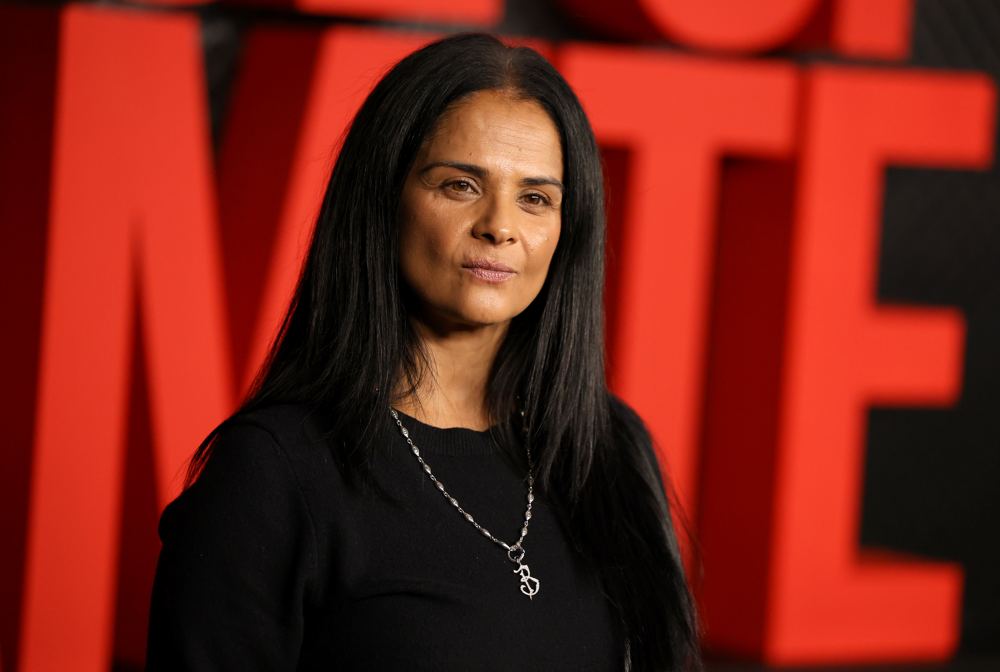
OpenAI Chief Financial Officer Sarah Friar has released a new financial scorecard designed to measure the actual return on investment from artificial intelligence. The framework abandons traditional software metrics like user seats and active accounts in favor of tracking the cost of completed work.
“The basic economic question facing CFOs and other business leaders is whether the value of the work AI completes grows faster than the cost of producing it,” Friar wrote in a blog post. She argues that companies must look beyond simple cost-per-token calculations to understand if their compute spending is generating real economic value.
Friar calls the target metric "useful intelligence per dollar." To calculate it, finance teams must track the volume of AI tasks that meet a specific quality threshold, calculate the total cost of those tasks, and divide to find the cost per successful outcome. The investment only pays off if the output is reliable and the volume of high-quality work grows faster than the total cost.
Scaling the compute equation
For OpenAI, demonstrating this return is critical as it embarks on a massive infrastructure buildout. The company does not disclose formal capital expenditure guidance, but the Stargate initiative announced in January 2025 outlined plans to invest up to $500 billion over four years. The initial phase targets $100 billion, with a broader goal of reaching 10-gigawatt capacity in the U.S. by 2029.
“Our job is to make that equation better with every generation: more capable models, faster and more dependable results, and lower costs for the work customers need done,” Friar wrote. The company's ability to deliver on that promise will be closely scrutinized by public market investors, as an initial public offering could arrive as soon as this summer or as late as 2027. OpenAI is currently valued at $852 billion.
CFOs take the strategic wheel
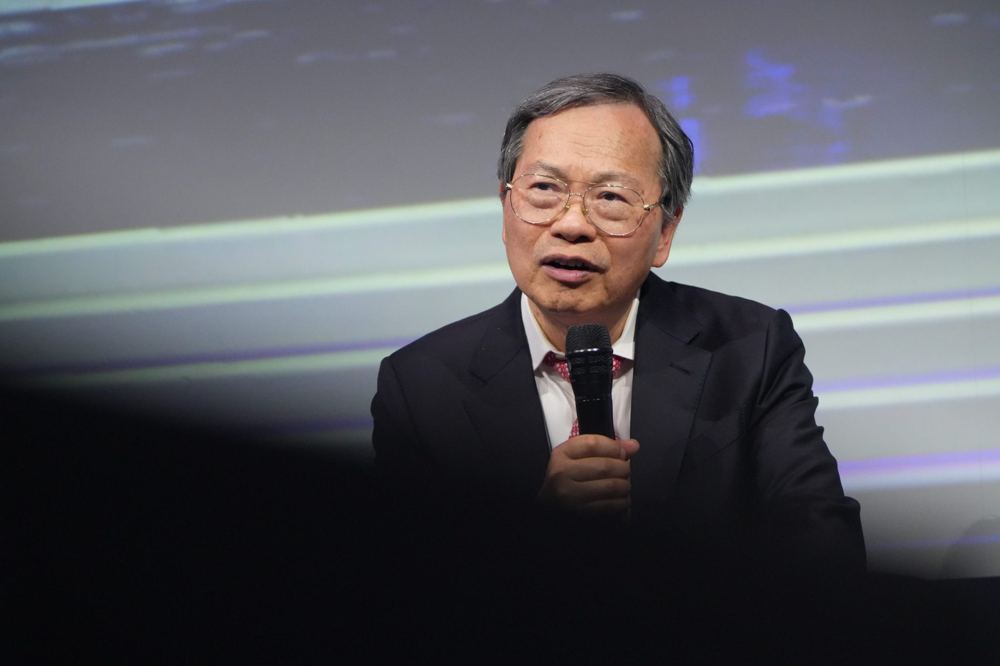
The framework lands as finance chiefs increasingly own corporate strategy, including where to place long-term AI bets. At McKinsey’s 24th annual Global CFO Forum, which gathered about 100 finance leaders from over 30 countries, an informal poll conducted by Andy West, a senior partner and global co-leader of the firm’s Strategy and Corporate Finance practice, found about two-thirds of executives now have the strategy function reporting to them.
“Five years ago, it would have been less than a third,” West said. “We’ve been talking about AI at this conference for a couple of years now. Last year, finance leaders were still experimenting with AI. This year, the conversation shifted decisively toward enterprise-wide transformation.”