Apple warns of FaceTime bank scams as US imposter fraud hits $3.5bn
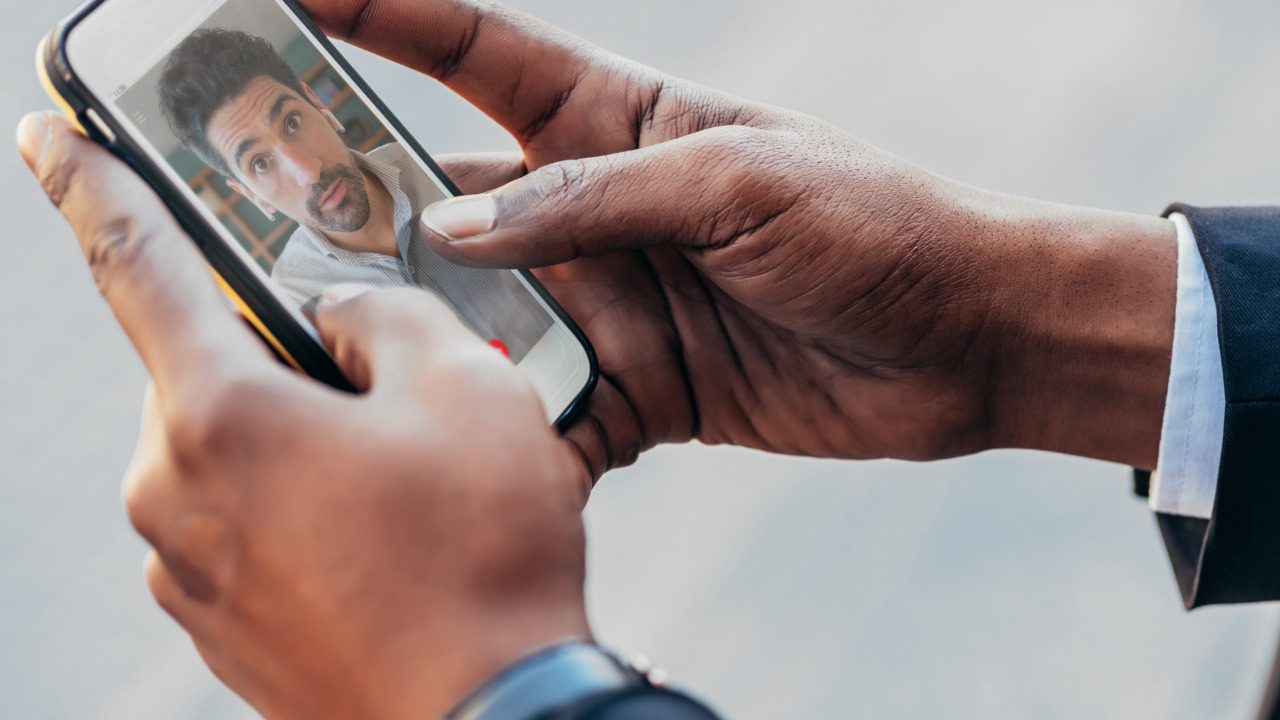
Apple is warning customers that fraudsters are exploiting FaceTime to steal banking credentials, a tactic contributing to the $3.5 billion Americans lost to imposter scams last year.
Apple has warned customers that fraudsters are impersonating bank representatives over FaceTime to steal account credentials and one-time security codes. The technology giant issued the alert as a new wave of social engineering attacks targets retail banking users.
The scheme typically begins with a text message or phone call alerting the target to suspicious account activity. The caller then shifts the conversation to a FaceTime video link, asking the victim to share their screen and log into their online banking to resolve the supposed issue.
"The scammer watches in real-time while victims expose passwords," according to CBS News national consumer correspondent Ash-Har Quraishi. By capturing these login details and subsequent one-time passcodes, criminals can authorize unauthorized transfers from devices they do not control.
This emerging threat vector highlights a broader escalation in financial fraud. The Federal Trade Commission reported that Americans lost $3.5 billion to imposter scams in 2025. Within that category, criminals posing as bank representatives drove the largest share of business-impersonation losses.
For financial institutions and investors, this trend represents a material operational risk. Banks bear the direct financial liability for reimbursing customers who fall victim to these authorized push payment frauds. Furthermore, the persistent success of such schemes forces lenders to increase their cybersecurity and fraud-prevention budgets, pressuring profit margins.
There is also a systemic risk to the adoption of digital banking. If consumers lose confidence in the security of their online accounts, it could slow the transition away from expensive branch-based services. Financial sector executives must now balance user convenience with stricter authentication protocols to mitigate these losses.
Apple indicated that scammers specifically chose FaceTime because users inherently trust the platform as a private communication channel for friends and family. This psychological leverage grants the fraudster a level of immediate credibility that traditional caller ID spoofing has struggled to achieve in recent years. The misuse of a trusted consumer brand adds a complex layer to the ongoing battle against institutional fraud.