Nigeria Approves $11.50 Per Barrel Tax Credit to Unlock Shell Deepwater Investment
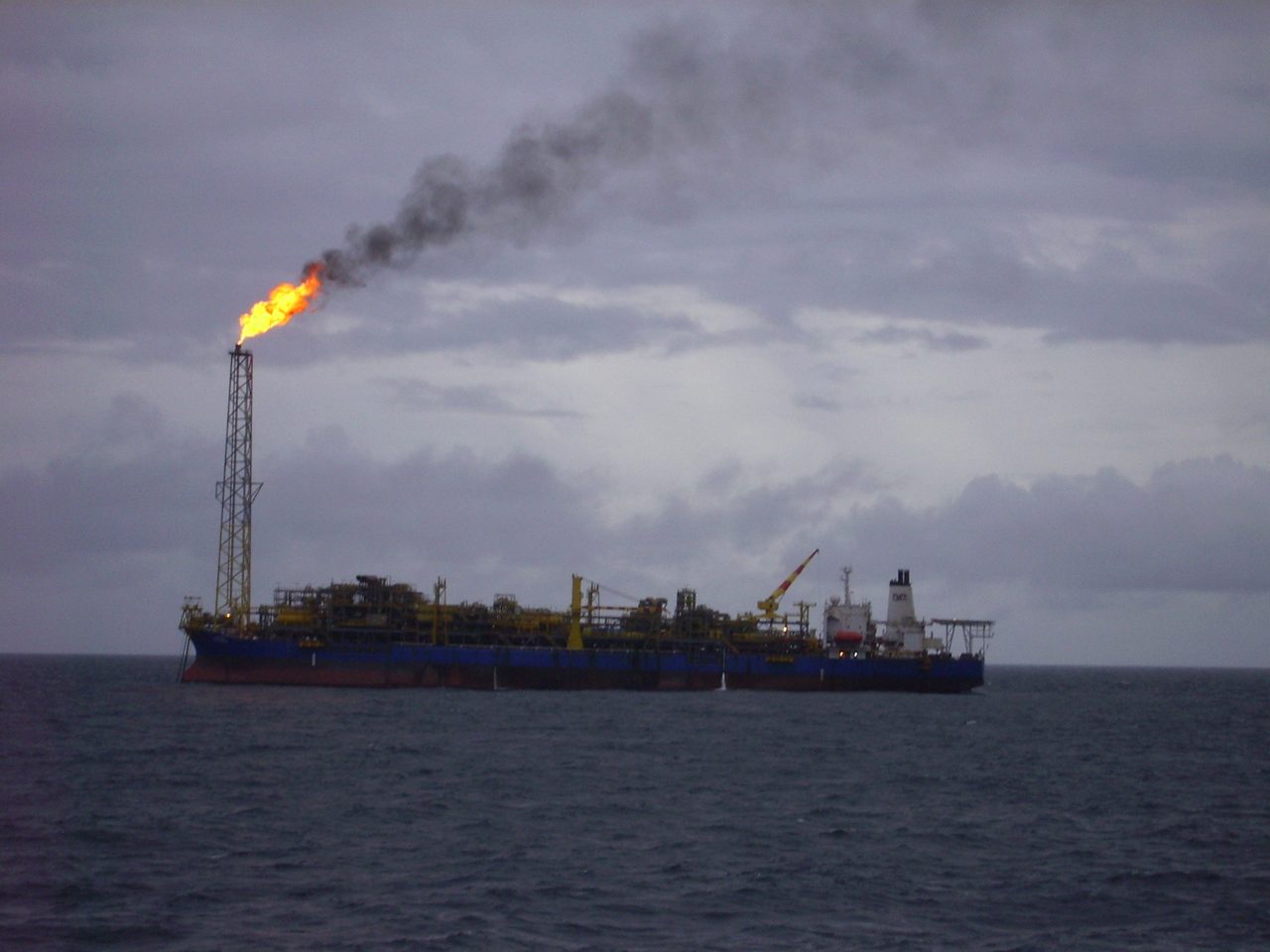
Nigeria has approved an unprecedented tax credit for Shell’s Bonga Southwest field, signaling a strategic shift to attract billions in offshore capital away from rival producers.
President Bola Tinubu has approved a $11.50 per barrel tax credit for Shell and its partners to develop the Bonga Southwest–Aparo deepwater field. This fiscal measure clears a primary obstacle that has stalled the roughly $20 billion project for nearly two decades.
The approved credit is more than double the standard incentive outlined in Nigeria’s Petroleum Industry Act. Shell chief executive Wael Sawan stated that these incremental incentives provide the company with “line of sight” to a final investment decision. The offshore field holds approximately 820 million barrels of reserves and could reach a peak output of 150,000 barrels per day.
Abuja is deliberately accepting a reduced government take per barrel in the near term to secure long-term foreign-exchange earnings and job creation. Presidential energy adviser Olu Verheijen noted this move is part of a broader reform agenda that has already facilitated over $8 billion in deepwater final investment decisions within the past year.
The administration is actively competing for mobile global capital, acknowledging that rivals such as Brazil and Guyana have recently captured more deepwater investment. Verheijen estimates Nigeria could access a portion of the $90 billion global deepwater financing pool, potentially bringing five major projects online to unlock 1.3 billion barrels of oil equivalent.
This fiscal package serves as a template for other major operators holding deepwater acreage in Nigerian waters. ExxonMobil is already preparing a $1.5 billion investment to enhance its own deepwater ventures, reflecting the improved fiscal environment.
Chevron and TotalEnergies are monitoring the situation, with the government indicating that comparable terms remain available for qualifying projects. However, the strategy carries inherent risks if global oil prices weaken or development costs exceed projections, which would sacrifice immediate state revenue for delayed returns.
The gamble builds on momentum from the December 2024 Bonga North decision, which is expected to deliver a peak of 110,000 barrels per day. For frontier investors, Nigeria’s approach demonstrates how resource-rich nations are actively rewriting upstream economics to maintain geopolitical and financial relevance during the energy transition.