France and Morocco draft treaty to cement trade advantages

France and Morocco are drafting an unprecedented friendship treaty that grants French firms preferential market access in exchange for long-term industrial investment, sidelining the lingering Pegasus spyware scandal.
France and Morocco have signed 14 cooperation agreements and begun drafting an unprecedented bilateral friendship treaty designed to make Morocco France’s primary strategic partner outside the European Union. The agreements, signed in Rabat on July 15-16 by French Prime Minister Sébastien Lecornu and Moroccan counterpart Aziz Akhannouch, cover energy, transport, defense and water infrastructure.
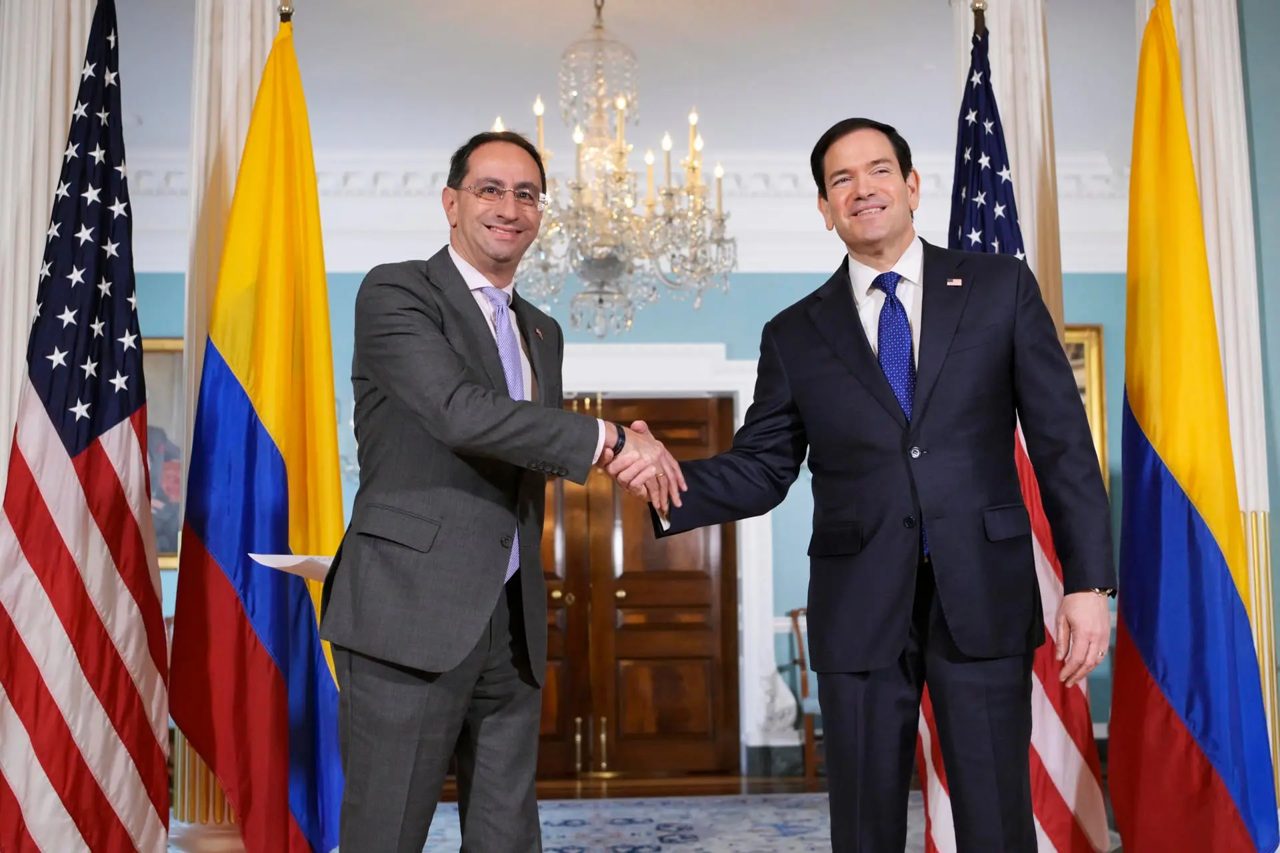
The centerpiece for markets is the draft treaty, announced in May by French Foreign Minister Jean-Noël Barrot and Moroccan Foreign Minister Nasser Bourita. Under a four-pillar framework, France will commit capital to Morocco’s automotive, rail, defense and maritime sectors. In return, Morocco will grant French companies preferential access and tax incentives, effectively creating a protected commercial space.
Immediate commercial activity includes French Development Agency financing for the Rabat Regional Express Rail project and a water policy loan. The two nations also launched an initiative to explore an undersea electricity interconnection to export Moroccan renewable power and green hydrogen to Southern Europe.
Defense cooperation is shifting from simple arms exports to local manufacturing. France plans to build production plants in Morocco and transfer technology, tapping into a broader push for industrial co-production.
This strategic pivot is driven by deep economic integration. France holds 30.8% of Morocco’s total foreign direct investment stock, with over 950 French subsidiaries employing more than 150,000 people. A prior state visit in October 2024 already generated roughly €10 billion in agreements, and the Agence Française de Développement provided €1.2 billion in 2022 financing alone.
The treaty framework has clear competitive implications. With Paris competing against Spanish, Chinese and Gulf capital in North Africa, the agreement aims to lock in advantages for French firms. Non-French investors may struggle to win government-linked infrastructure projects unless they partner with French or well-connected Moroccan conglomerates.
These commercial structures are being built over the ongoing Pegasus spyware scandal. A French judicial investigation remains active, and media reports surfaced during Lecornu's visit alleging Moroccan surveillance of French officials, including the prime minister himself. However, both governments have deliberately separated the legal process from economic policy.
For market participants, the signal is that capital flows will override political friction, but compliance risks will rise. Companies operating in telecoms, defense and fintech face heightened regulatory scrutiny regarding data privacy and cybersecurity in both jurisdictions.