Yen hits seven-month high as markets price in Bank of Japan rate hike
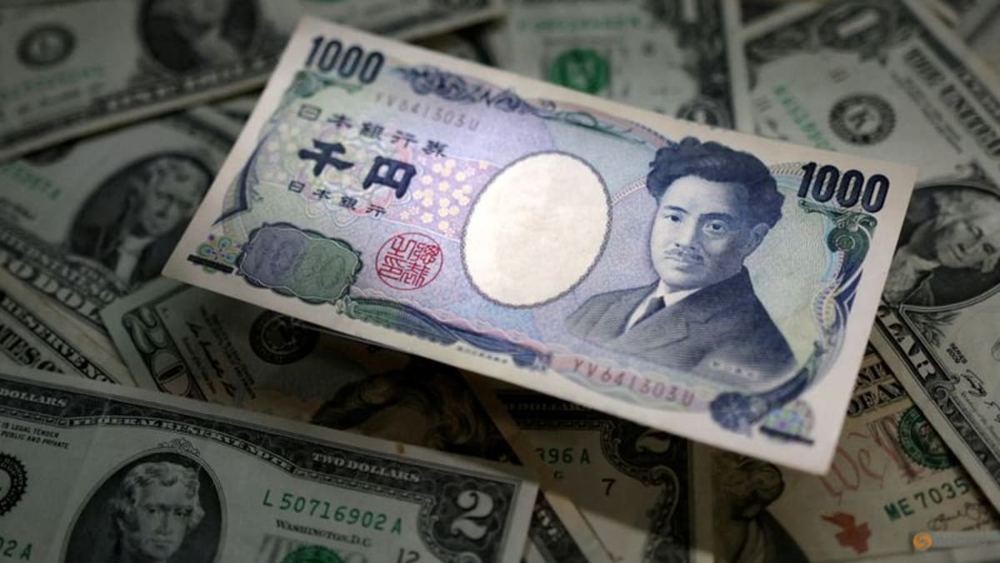
The Japanese yen surged to its strongest level since February on expectations of an imminent interest rate increase, highlighting a broader shift in global monetary policy as central banks navigate inflation fueled by the U.S.-Iran war.
The Japanese yen advanced to a near seven-month high on Tuesday, reaching 152.89 per dollar before easing to 154 in London morning trade. This marks a roughly 4 per cent appreciation from the 160 level seen early last week, driven by bearish traders covering their positions ahead of an expected Bank of Japan rate hike.
Market participants largely anticipate the central bank will raise interest rates by 25 basis points to 1.25 per cent at its September 17-18 meeting. Dominic Bunning, head of G10 FX strategy at Nomura, noted the move appears to be market-driven flow as investors price in a more hawkish stance.
However, Bunning warned it will be challenging for the bank to hike faster than current pricing or reach a higher terminal rate. He added that a weaker yen was previously part of their inflation thinking, which is now becoming less of an issue.
Beyond central bank expectations, the currency shift is supported by potential fund repatriation by Japanese investors, carry trade unwinding, and U.S. political pressure. Japanese Finance Minister Satsuki Katayama confirmed that Tokyo and Washington remain aligned in their currency market approach and will maintain close communication to ensure orderly foreign exchange movements.
The dollar index remained subdued at 98.93, while the euro traded flat at $1.1615. Focus in Europe is shifting to the European Central Bank, which is widely expected to raise interest rates on Thursday as the ongoing U.S.-Iran war keeps oil prices elevated and drives up inflation.
In the United States, attention turns to upcoming inflation readings preceding the Federal Reserve meeting on September 15-16. Following a stronger-than-expected nonfarm payrolls report, traders are pricing a roughly 60 per cent probability of a Fed rate hike this month.
Fed Governor Christopher Waller stated last week he would lean toward keeping rates steady if price pressures moderate, but would support an increase if inflation fails to cool. Meanwhile, geopolitical tensions continue to impact markets after Yemen's Tehran-backed Houthis attacked energy facilities and cities in Saudi Arabia, wounding over 70 people and raising the risk of a wider Iran conflict.
Consequently, Brent crude futures hovered near a six-week high, firmly above $99 a barrel. The British pound also reached a one-week high before settling at $1.3525, as investors await comments from Bank of England policymakers, including Governor Andrew Bailey.