Novartis trial failure casts doubt on multibillion-dollar Lp(a) cholesterol market
Novartis’ late-stage trial failure for its Lp(a) cholesterol drug has triggered a sector-wide selloff, raising doubts about the viability of a highly anticipated cardiovascular market.
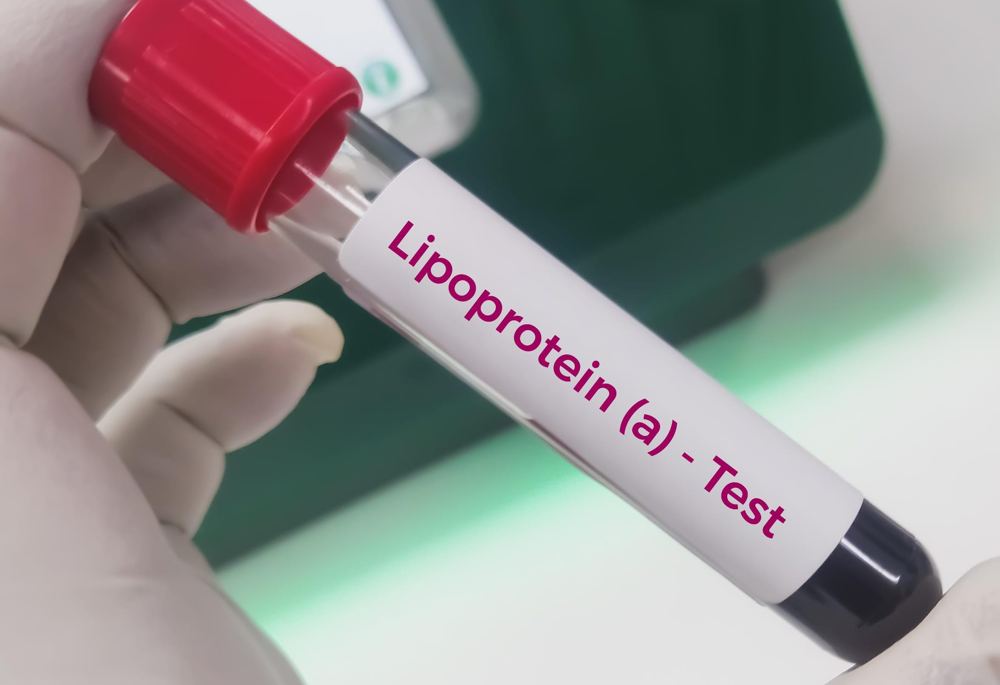
Novartis announced late Friday that its experimental cholesterol drug, pelacarsen, failed to significantly improve cardiovascular outcomes in a late-stage clinical trial. Developed jointly with Ionis Pharmaceuticals, the drug successfully reduced levels of lipoprotein(a), or Lp(a), but missed its primary efficacy endpoints.
The setback triggered immediate sell-offs across the sector. Novartis shares fell 3 percent, while Ionis Pharmaceuticals sank 10 percent and U.S.-listed NewAmsterdam Pharma dropped 12 percent in extended trading.
This marks the first major clinical failure in the race to develop targeted treatments for elevated Lp(a), a genetic condition affecting roughly one in five people globally. Analysts had modeled peak annual sales of $4 billion to $5 billion for pelacarsen alone, viewing it as a critical financial buffer for Novartis.
The pharmaceutical giant is currently navigating what Chief Executive Vas Narasimhan described as the steepest patent cliff in its history. With its bestselling heart drug Entresto already losing key exclusivities, the loss of a potential blockbuster leaves a notable gap in its cardiovascular pipeline.
The failure also places immediate pressure on rival development programs. Amgen’s competing drug, olpasiran, faces the clearest negative read-through, causing its shares to fall about 5 percent in extended trading Friday. Eli Lilly’s lepodisiran is considered less material to its overall valuation and targets a broader patient group, potentially limiting direct fallout.
Market professionals are now reassessing the underlying science of the sector. “The Lp(a) hypothesis is weakened, but not disproven,” Citi analysts wrote, noting that the first dedicated outcomes failure lowers confidence across the drug class.
Citi added that later studies will now face greater pressure to demonstrate that deeper cholesterol lowering can produce a clinically meaningful 15 percent reduction in major adverse cardiovascular events. Investigators will need to prove that profound lipid reduction directly translates to patient survival.
Expectations for the trial were already tempered, which may explain the relatively contained reaction in Novartis stock. Barclays noted the market expected at least a moderate benefit, but the drug appears to have fallen materially short of the 13 percent threshold that would have been statistically significant.
Jefferies analysts pointed out that improving standards of care are naturally reducing cardiovascular events. Because the more than 8,000 patients in the Novartis trial were already on optimized care, it is increasingly difficult and costly for experimental drugs to prove an added clinical benefit.
Novartis stated that full results will be presented at an upcoming medical congress. Chief Medical Officer Shreeram Aradhye said the data provides important evidence advancing the scientific understanding of Lp(a) lowering and may help inform future cardiovascular risk management approaches.
William Blair analysts noted “meaningful risk to a potential future” in Lp(a)-driven trials following the results. However, they added that competing experimental drugs use different mechanisms and may achieve deeper reductions, preserving a rationale for continued development in patients with exceptionally high baseline levels.