China August trade growth accelerates on AI hardware demand
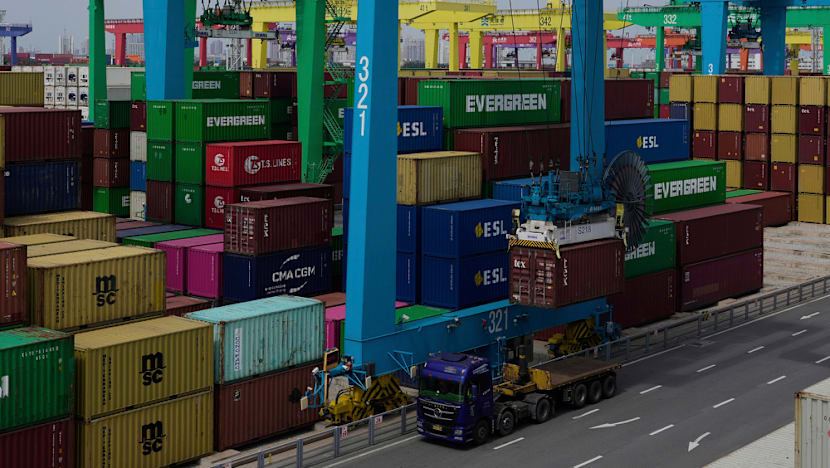
Chinese exports and imports both accelerated in August, underscoring the sustained economic impact of the global artificial intelligence infrastructure buildout ahead of a critical US-China summit.
China’s export and import growth both accelerated in August, driven by robust global demand for technology products tied to the artificial intelligence boom. Official data released Tuesday by the General Administration of Customs showed outbound shipments rising 25 percent year-on-year, while inbound goods increased by 28.2 percent.
Both headline figures missed consensus expectations, highlighting the complex dynamics of global supply chains. Exports fell short of the 25.9 percent gain predicted by Bloomberg, and imports trailed the 31.0 percent forecast. Despite these slight misses, the underlying acceleration from July signals continued momentum for Chinese manufacturers as they capitalize on the global technology cycle.
The sustained trade expansion follows a historic surplus recorded in 2025 and reflects a structural shift in global purchasing patterns. Overseas appetite for semiconductors and computing hardware remains the primary engine of this growth. This dynamic is clearly visible in the year-to-date figures, where the value of Chinese computer and related parts exports surged 49.4 percent between January and August.
For investors and corporate executives, this data underscores the heavy reliance of the export sector on the ongoing artificial intelligence infrastructure buildout. Companies with significant exposure to Asian manufacturing and technology hardware supply chains will likely view this sustained demand as a positive indicator for near-term revenue visibility.
Trade flows with the United States also saw a notable acceleration last month, adding another layer of complexity to the economic relationship. Shipments to the US climbed 34.4 percent year-on-year in August, more than doubling the 17 percent increase recorded in July. This sharp rebound in bilateral trade suggests that corporate procurement has not been entirely derailed by geopolitical friction.
These robust trade figures arrive just weeks before a highly anticipated summit in Washington between US President Donald Trump and Chinese President Xi Jinping. The strong bilateral trade data will undoubtedly feature in the discussions, providing a complex backdrop for the high-stakes negotiations expected to shape future economic and technological relations between the two superpowers.