US Lawmakers Threaten Canadian Sanctions as Wildfire Smoke Disrupts 19 States
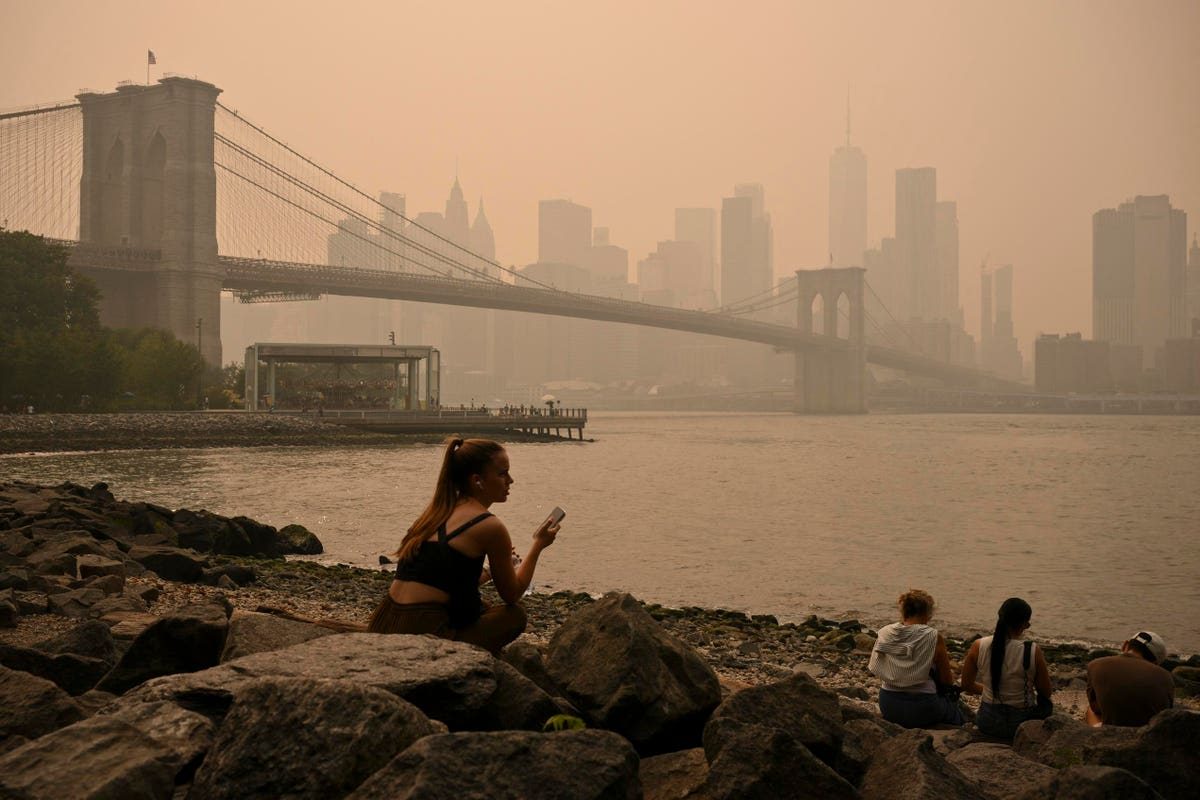
Smoke from hundreds of Canadian wildfires has triggered hazardous air quality alerts across 19 US states, prompting legislative threats of sanctions that could complicate cross-border trade and highlight mounting macroeconomic costs.
Smoke from roughly 850 Canadian wildfires has triggered air quality alerts across 19 US states, reaching as far south as South Carolina. The National Weather Service designated parts of Michigan as hazardous, with several Midwestern and Eastern states reporting very unhealthy or unhealthy pollution levels.
The cross-border pollution has ignited political friction, with US lawmakers threatening economic retaliation against Canada. Four Michigan Republican representatives stated in a letter this week that Canada has the tools to prevent the smoke and has chosen not to act.
"Our constituents are breathing the consequences of this failure right now, and they deserve better than to be told, again, that it will be handled," the lawmakers wrote. Meanwhile, Senator Bernie Moreno of Ohio announced plans to table a bill next week to sanction Canada and its responsible government officials.
Economic and Geopolitical Fallout
This political rhetoric introduces a novel geopolitical risk to the deeply integrated US-Canada trade relationship. Any move toward sanctions could disrupt cross-border supply chains, energy flows, and corporate operations that rely on seamless bilateral commerce.
Beyond diplomatic friction, the expanding smoke plumes underscore a massive and growing macroeconomic drag. The Joint Economic Committee estimates the annual cost of wildfires in the United States ranges from $394 billion to $893 billion.
This figure encompasses direct and indirect health impacts, income loss from labor disruptions, and watershed pollution. Outdoor workers face immediate productivity losses, with health officials recommending N95 masks or complete indoor shelter in hazardous zones.
Scientists note that human-caused warming is extending fire seasons and increasing the frequency of severe wildfires across North America. NASA reports that extreme wildfire activity has more than doubled worldwide over the past two decades.
For investors and corporate executives, these events highlight escalating physical climate risks that extend far beyond the immediate fire zones. The resulting haze carries systemic implications for healthcare costs, labor productivity, and insurance liabilities across multiple economic sectors.