Nigeria unifies crypto oversight under new CBN-led council
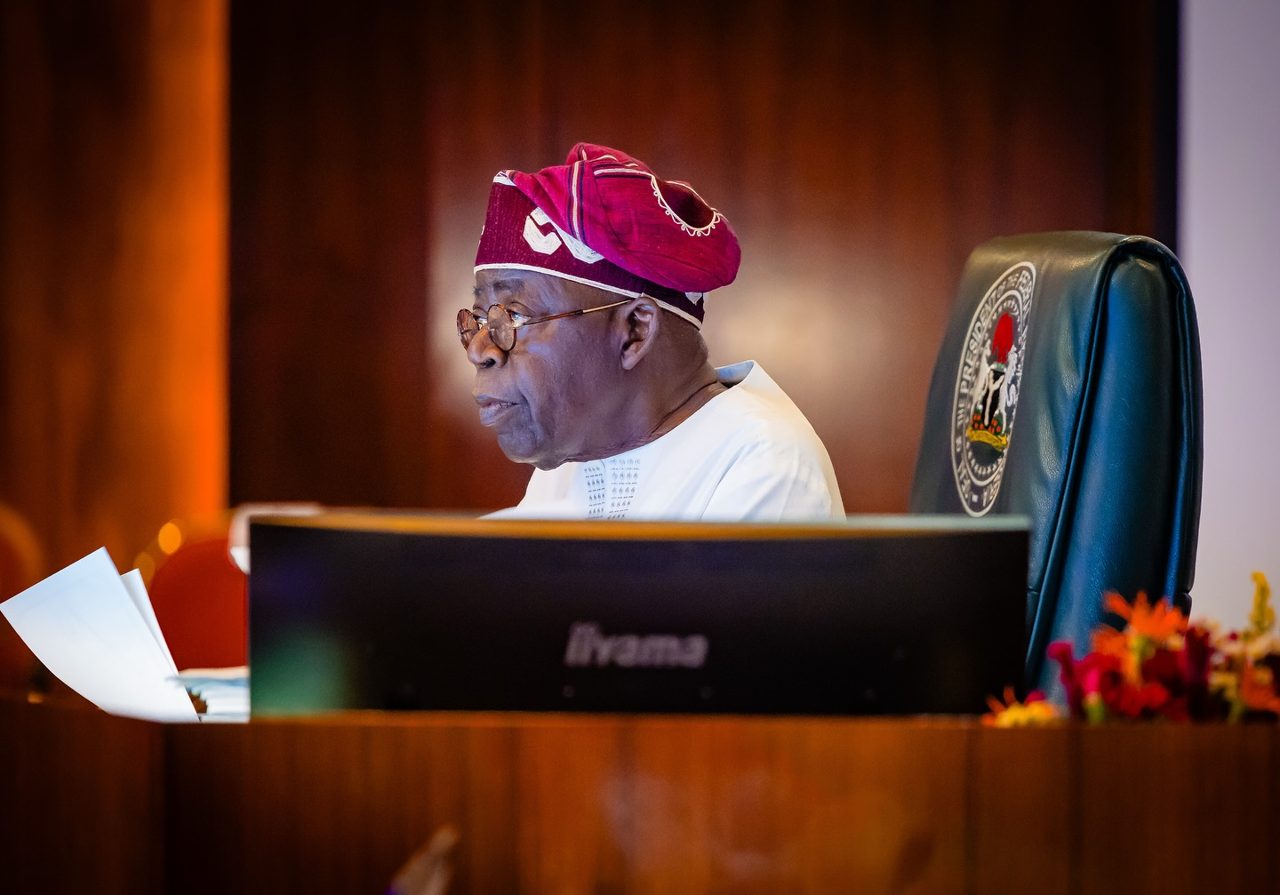
President Bola Tinubu has created a Central Bank of Nigeria-led council to harmonise virtual asset regulation across competing agencies, signalling clearer operating rules for digital asset firms and the introduction of a new tax framework.
President Bola Tinubu has signed the Presidential Executive Order on Virtual Assets Coordination, 2026, establishing a Virtual Asset Council to oversee the sector. The body will be chaired by the Central Bank of Nigeria, with the Nigeria Revenue Service and the Securities and Exchange Commission serving as vice chairs.
The order addresses a fragmented regulatory environment that the presidency says exposed Nigeria to money laundering, terrorism financing, and revenue losses. “The Order is designed to close these gaps through supervisory coordination, without introducing new layers of regulation or displacing the mandates of existing agencies,” the statement read.
Historically, the SEC and CBN have operated with overlapping interests and differing policy priorities. The SEC has actively licensed digital asset firms, while the CBN has restricted crypto over financial stability concerns. Under the new framework, agencies retain their statutory powers but must coordinate. Securities-based activities remain with the SEC, while payment and custody of non-security assets fall to the CBN.
A new Virtual Asset Office, domiciled at the CBN, will serve as the council's operational arm. It will use a shared supervisory technology platform to coordinate reporting and information sharing among participating agencies, which also include the Nigerian Financial Intelligence Unit and the Office of the National Security Adviser.
The central bank will also establish its own regulatory sandbox. This will allow eligible operators to test blockchain and virtual asset products under close supervision before a wider market release.
For investors and operators, the coordination carries direct tax implications as the NRS prepares to issue a specific tax policy for digital assets. This regulatory clarity emerges alongside the SEC's expansion of its incubation programme, which recently admitted seven companies including Luno Fintech Nigeria and Bitbarter Technologies. The government is also finalising a comprehensive Virtual Assets White Paper to outline its long-term policy direction.