Serbia EU Accession Faces New Headwinds After Mladic Funeral in Belgrade
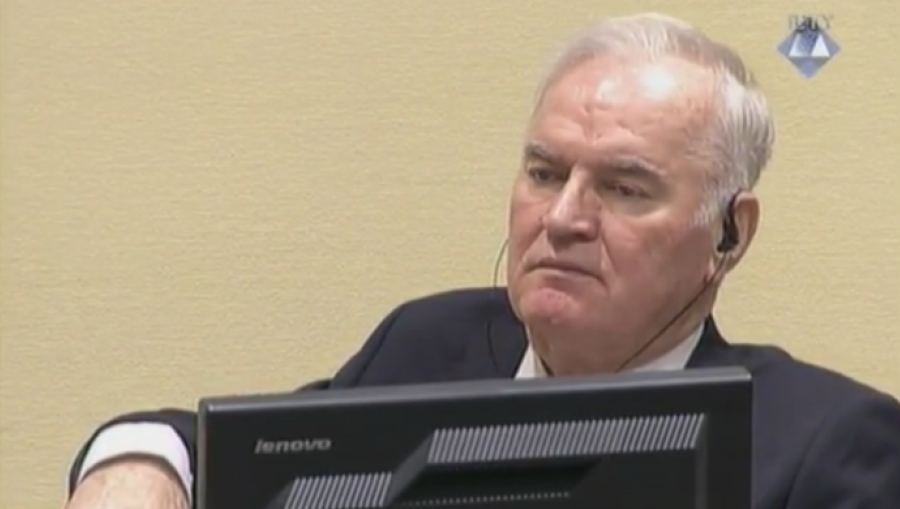
The funeral of convicted war criminal Ratko Mladic has triggered diplomatic friction with Brussels, threatening to further stall Serbia’s European Union integration process and complicate its investment climate.
Thousands gathered in Belgrade on September 7 for the funeral of Ratko Mladic, the former Bosnian Serb military commander convicted of genocide and war crimes. The event has immediately reignited diplomatic tensions between Belgrade and the European Union.
EU Enlargement Commissioner Marta Kos cancelled a planned visit to the Serbian capital in response. She stated that the public glorification surrounding Mladic’s death is incompatible with the values underpinning Serbia’s path towards EU membership.
Serbian President Aleksandar Vucic, who is not attending the funeral due to a scheduled meeting with Uzbek President Shavkat Mirziyoyev, dismissed the EU’s criticism. Vucic called the remarks "stupid" and questioned whether authorities should prevent citizens from attending a funeral.
For international investors and market professionals, this diplomatic rift highlights persistent political risks in the region. Serbia has been an EU candidate since 2012, but its accession process has seen limited progress amid ongoing concerns over the rule of law and foreign policy alignment.
The domestic atmosphere remains highly polarized following the death of Mladic, 84, who was serving a life sentence in The Hague. His remains were returned on a government plane on September 3, draped in Serbian and Republika Srpska flags, while the Serbian Orthodox Church described him as an "Orthodox Christian and Serbian soldier".
Public displays of support have included murals across Belgrade and tributes at a major football derby, where fans displayed a banner referencing the Srebrenica area. Journalist Safeta Bisevac noted that this glorification is a "great shame for Serbia and the Serbs", damaging regional reconciliation efforts.
The institutional backlash extends beyond the European Union. Michael O'Flaherty, the Council of Europe's commissioner for human rights, condemned the public tributes and urged Serbian authorities to actively oppose them.
As tens of thousands are expected to attend the burial at Topcider Cemetery, the Serbian government faces renewed international scrutiny. How Belgrade manages this legacy will directly influence its economic integration prospects and its ability to offer a stable, predictable environment for foreign capital.