Iran closes Strait of Hormuz as US restores oil sanctions
Iran's Revolutionary Guard has closed the Strait of Hormuz and the US has restored oil sanctions, effectively collapsing an interim deal that had briefly eased the disruption to global energy supplies.
Iran’s Islamic Revolutionary Guard Corps Navy has closed the Strait of Hormuz until further notice, firing a warning shot at a vessel attempting an unapproved transit. The closure follows renewed US offensive strikes and the Treasury Department's withdrawal of a waiver that had allowed Tehran to sell its oil.
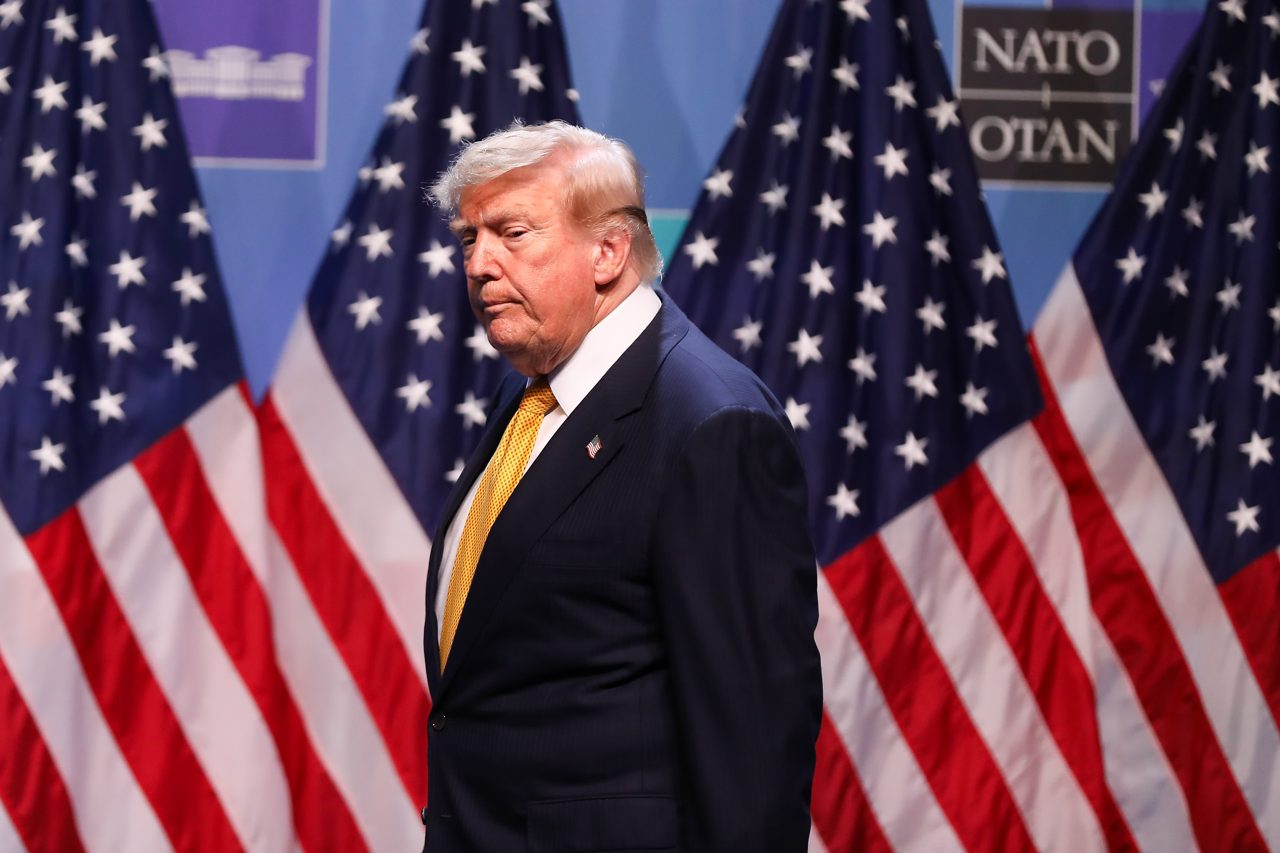
The developments mark the definitive collapse of a June memorandum of understanding intended to pause the conflict. That 60-day agreement had exchanged a US naval blockade withdrawal and temporary oil sanctions relief for Iranian guarantees of safe commercial passage. President Donald Trump confirmed the ceasefire is over, though he stated both sides agreed to continue "technical talks."
For energy markets, the shutdown resurrects the severe supply constraints that sent oil prices soaring when the war began on February 28. Tehran has maintained that ships are only entitled to safe passage if they use a northern route through Iranian territorial waters, a restriction not included in the original text. The resulting bottleneck once again chokes off vital Middle East energy exports.
Escalating the financial pressure, the US Treasury sanctioned Ali Ansari, an alleged facilitator overseeing a global network of assets for Iran's new supreme leader, Mojtaba Khamenei. Treasury Secretary Scott Bessent stated that "the so-called Supreme Leader is hiding in seclusion while his regime crumbles," adding that Treasury would "continue using every tool at its disposal to isolate him and other regime elites from the global financial system."
Iranian Foreign Minister Abbas Araghchi, who arrived in Oman for talks, accused Washington of breaching the June agreement. "Iran has so far kept its word, unlike the so-called U.S. Treasury Secretary who is violating Para 9 of the MoU," Araghchi wrote on X, adding that "there can only be mutual compliance."
The Omani negotiations are exploring alternative frameworks for the strait. A senior Middle East diplomat said France and the UK are studying Omani proposals to allow non-compulsory navigational fees in the Strait of Hormuz, provided they have the backing of the UN's International Maritime Organization.
These diplomatic and economic maneuvers occur against a backdrop of sharp rhetorical escalation. Trump threatened to "completely decimate and destroy all areas of Iran" if it acts on reported assassination threats, while Mojtaba Khamenei publicly vowed that vengeance for US strikes "must definitely be done."