US import inflation hits four-year high as AI demand offsets fuel drop
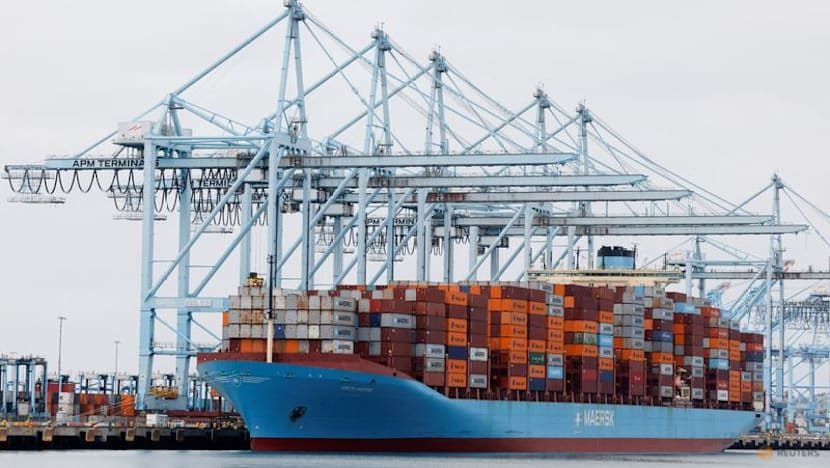
US import prices defied expectations to hit a nearly four-year high in June, signaling that business investment in artificial intelligence is keeping underlying inflation pressures elevated even as domestic energy costs ease.
U.S. import prices increased 0.3% in June, confounding economists who had forecast a 0.7% decline. The data, published by the Labor Department's Bureau of Labor Statistics, excludes tariffs and followed a downwardly revised 1.7% advance in May.
Over the 12 months through June, imported inflation surged 7.1%, marking the largest annual advance since August 2022. This acceleration bucks the broader domestic trend recorded last month, where both producer and consumer prices fell amid a fragile U.S.-Iran ceasefire that successfully drove down oil costs.
During June, imported fuel prices fell 0.4% following a massive 12.6% jump in May, though they remain 44.1% higher than a year ago. Food prices also eased, dropping 0.2%.
The upward surprise was therefore driven entirely by underlying goods demand. Excluding food and fuels, core import prices climbed 0.4%, pushing the annual core rate to 4.6%. A 0.4% rise in the cost of imported capital goods anchored this increase, directly reflecting aggressive corporate investment in technology products as businesses ramp up spending on artificial intelligence infrastructure.
Prices for imported consumer goods, excluding automobiles, rose 0.3%, while the cost of imported automotive vehicles, parts and engines edged down 0.1%.
For market participants, the data underscores a bifurcated inflation landscape. While headline domestic inflation is cooling, underlying imported goods costs remain sticky due to the capital expenditure boom. This dynamic suggests that supply chains for high-tech components are absorbing corporate spending power, potentially pressuring margins if companies cannot pass these costs to end consumers.
Furthermore, the temporary reprieve from energy-driven inflation is already fading. The U.S.-Iran truce collapsed last week, pushing oil prices to a one-month high. Sustained higher fuel costs would compound the tech-driven price pressures in the import pipeline, adding a fresh layer of complexity to the inflation outlook.