Iraq taps Chevron, KBR for Hormuz-bypassing oil pipelines

Iraq is advancing a 2.5 million barrel-per-day pipeline network through Syria and Turkey to permanently bypass the Strait of Hormuz, drawing in U.S. energy firms despite lingering security threats at its primary Basra export hub.
Iraq is advancing a major pipeline system to transport southern crude to the Mediterranean, aiming to bypass the Strait of Hormuz. The project centers on a Basra-Haditha trunk line designed to move 2.5 million barrels per day. Construction on this initial segment began in May.
From Haditha, the network will split into two distinct export branches. One route pushes north through Kirkuk to Turkey’s Mediterranean port of Ceyhan. The alternative route crosses into Syria, terminating at the Baniyas port.
The project is drawing significant international engineering and financial interest. U.S. firm KBR is handling a separate study of the Basra-Haditha segment. Chevron, U.S. investment firm Capital TI, and Qatar’s UCC are collaborating on the technical and financial studies for the full export routes.
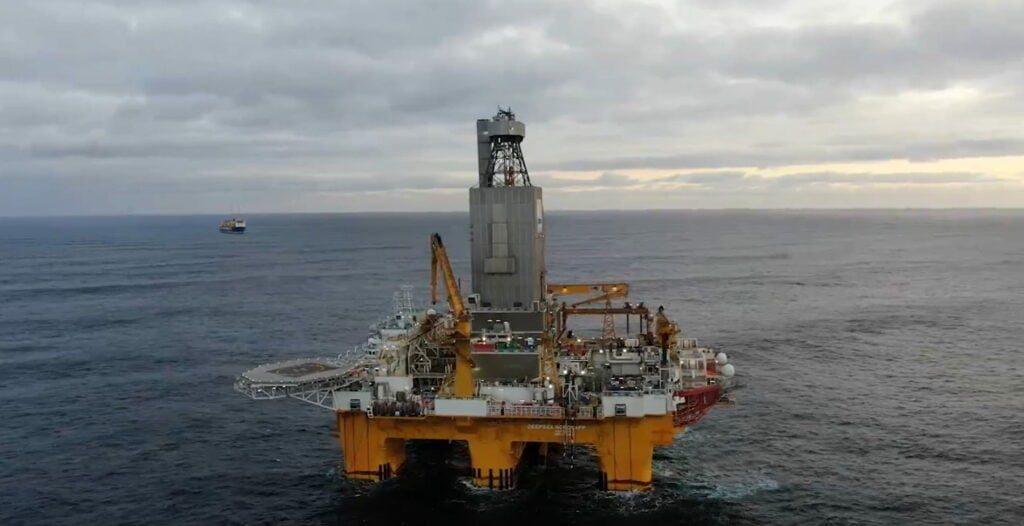
For Chevron, the pipeline strategy aligns directly with its broader Iraqi portfolio. The company is currently preparing agreements covering the West Qurna 2 and Nassiriya oilfields. Linking these upstream assets to a Mediterranean export route would physically remove them from the Persian Gulf, significantly reducing shipping disruption risks.
Washington provided a clear geopolitical signal this week by endorsing the restoration of the Kirkuk-Baniyas line. That specific corridor has been largely inoperative since 2003. U.S. backing removes a major hurdle for international firms hesitant to engage with Syrian infrastructure.
Baghdad is not waiting for the new pipelines to finish to test this strategy. The country has already started shipping limited crude and naphtha volumes through Syrian ports. Officials plan to continue these Mediterranean exports permanently, even if the Strait of Hormuz eventually stabilizes.
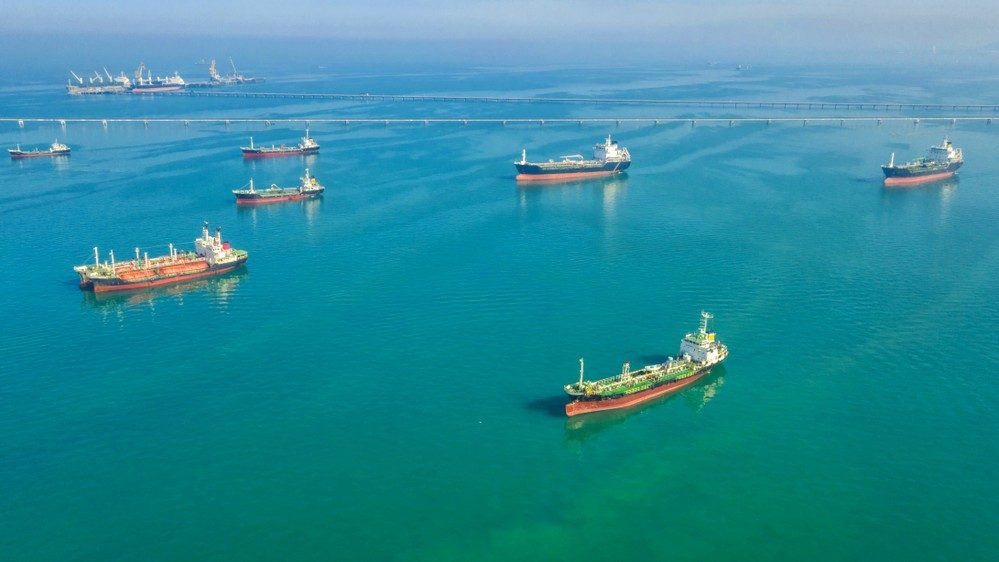
The urgency of this logistical pivot was highlighted this week by security threats at Iraq's primary export hub. A drone struck a vessel near the Basra Oil Terminal on Thursday, the second such incident targeting the province's port infrastructure in two days.
Basra handles more than 3 million barrels per day of crude exports. The Oil Ministry confirmed that loading continued normally and no damage was reported to the tanker or port facilities. However, the repeated drone strikes demonstrate the exact chokepoint vulnerabilities Iraq is spending billions to circumvent.