Ryanair scraps family seating fee as airline infant charges face scrutiny
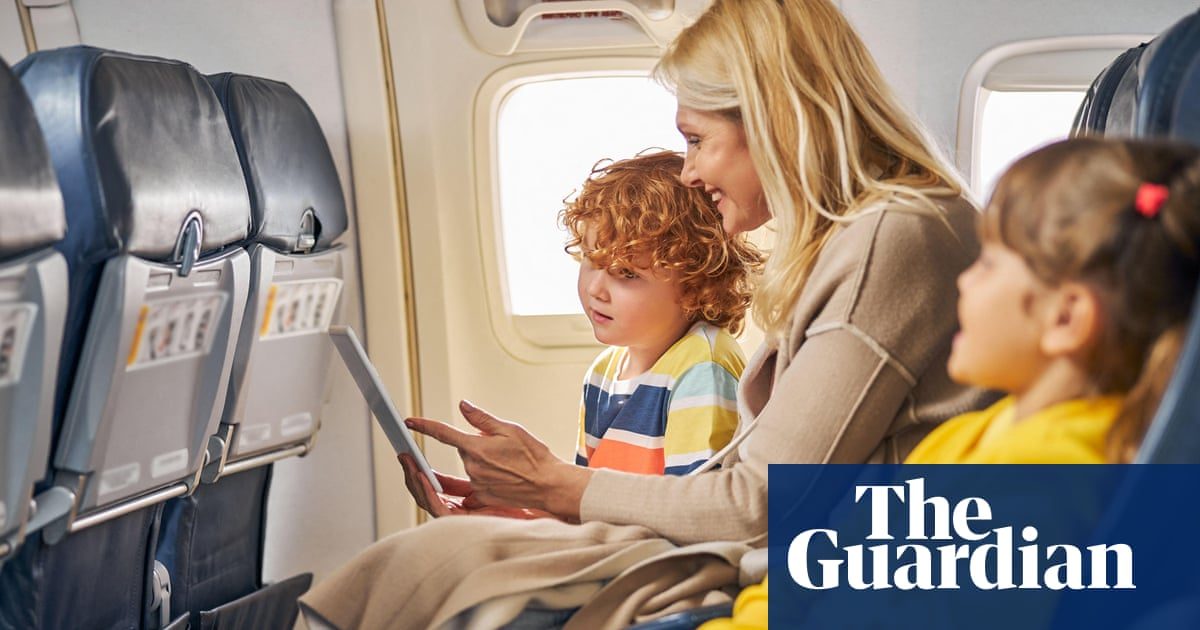
Ryanair has abandoned its mandatory family seating charge following a regulatory probe, but the complex web of ancillary fees levied on infants and children across the industry continues to generate high-margin revenue while drawing consumer backlash.
Ryanair has eliminated its policy of charging parents to guarantee they sit next to their children, a move that follows an investigation by the Competition and Markets Authority. Previously, the ultra-low-cost carrier required families to pay for mandatory family seats for children aged two to 11.
While this specific fee has been dropped, the broader ancillary revenue model targeting families remains highly lucrative and increasingly complex. Industry analysts note that the opacity of these charges highlights the aggressive margin-expansion strategies employed by budget carriers to supplement base fares.
Fees for infants under two, who travel on a parent's lap, often exceed the cost of the adult's base ticket. Wizz Air, for instance, offers one-way adult fares starting at £14.99, yet charges a flat €32 (£28) fee for lap infants, a pricing structure that applies regardless of the destination.
Rory Boland, editor of Which? Travel, criticized the practice, stating, “The idea that in-lap infants are charged more than a full adult because of some fixed fee they’ve arrived at, is clearly unfair.” He added that airlines are likely generating significant profit from these lap infant charges.
Wizz Air defended its pricing, stating it disagrees with the assertion and that its infant fee reflects standard industry practice. The airline also noted that its booking system automatically assigns a seat next to a child under 14 for one adult, though it cannot guarantee seating for the entire family without extra payment.
For children over two, budget carriers like Ryanair, easyJet, and Wizz Air charge full adult fares, unlike legacy carriers such as British Airways, which offers discounts until age 12. Furthermore, a recent consumer investigation identified up to nine separate charges applied when booking an infant.
On a British Airways return flight from London to New York, the base infant fare of £30 increases to £162.19 once various surcharges are applied. The adult ticket, priced at £858.59, includes more than £500 in additional fees, encompassing taxes, passenger service charges, and carrier-imposed surcharges.
The labyrinthine nature of these ancillary charges complicates price comparison and exposes airlines to ongoing regulatory risks. As consumer protection agencies scrutinize ticketing transparency, investors must monitor how potential restrictions on hidden fees could impact the ancillary revenue streams that underpin carrier profitability.