Nigeria approves 800km of new road projects as coastal highway progresses
Nigeria's federal government has approved 800 kilometres of new road expansions and bridge projects, establishing an extended construction pipeline for the remainder of the current administration.
The Nigerian government has completed the first section of the Lagos-Calabar Coastal Highway and simultaneously announced a sweeping expansion of the country’s road network, including a 400-kilometre extension of the Fourth Legacy Highway.
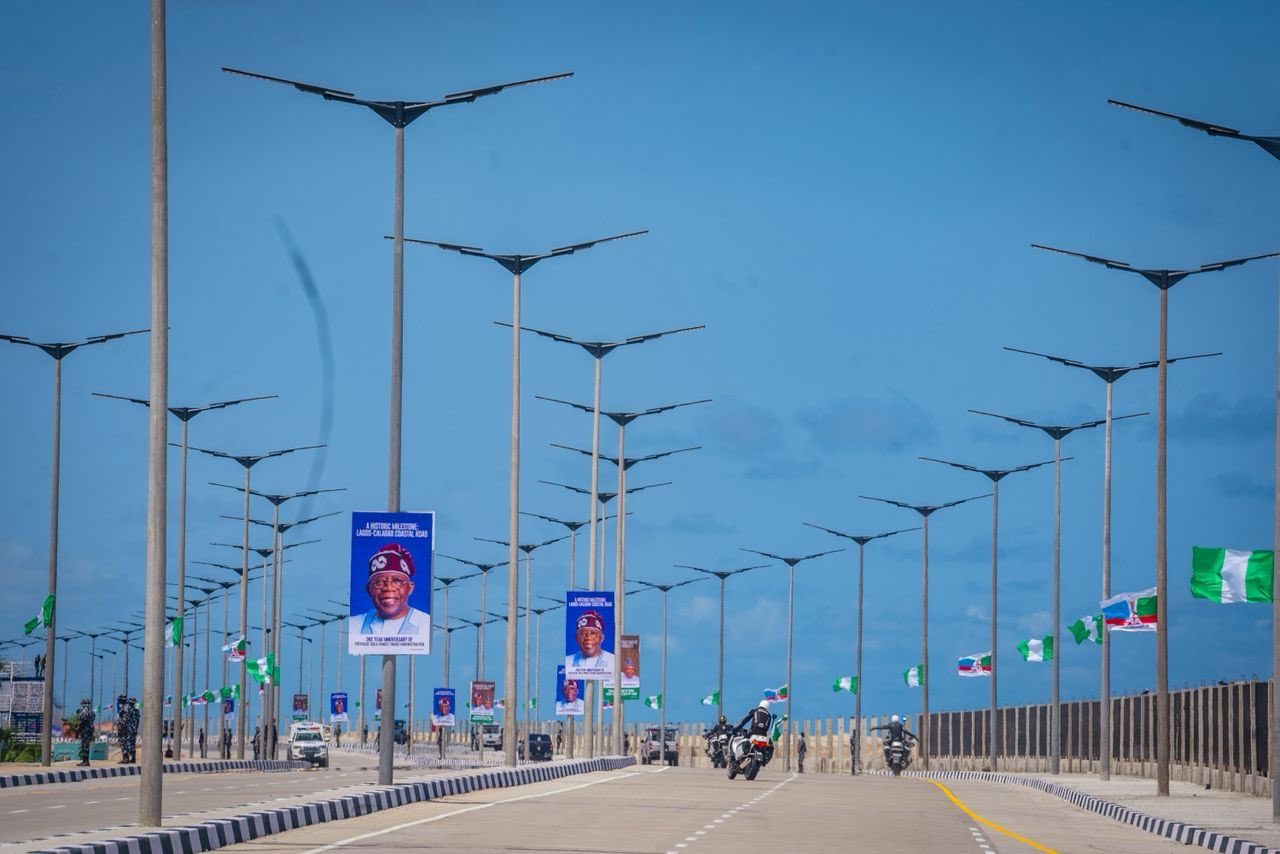
The completed initial stretch of the coastal route spans 47.47 kilometres from Victoria Island to Lekki. Built as a six-lane carriageway, it features a 25-metre median specifically reserved for a future railway line. This section directly serves the Lekki Deep Sea Port, a critical node for maritime trade and logistics operators.
The Minister of Works, Dave Umahi, announced that the 750-kilometre coastal highway has been officially renamed the President Bola Ahmed Tinubu Coastal Highway. “That (coastal) highway is named President Bola Ahmed Tinubu Coastal Highway. By the powers conferred on me as Minister of Works, in consultation with my Permanent Secretary, the Minister of State, directors and staff of the ministry, we decided to name it after him because of his dream for it,” Umahi said.
For market participants, the more significant development is the broader infrastructure pipeline unveiled alongside the renaming. The administration approved extending the Fourth Legacy Highway by 400 kilometres, increasing its total reach to 1,100 kilometres. This expanded corridor will cut through Nasarawa, Plateau, Bauchi, Gombe and Borno states before terminating in Maiduguri, with an additional spur into Taraba State.
The government also approved the dualisation of 400 kilometres of the East-West Road and the reconstruction of the Lagos-Ibadan Expressway. The expressway rebuild will utilise reinforced concrete pavement technology, a detail that will dictate supply chain requirements for cement and construction materials over the project lifecycle.
Bridge infrastructure is also receiving targeted investment. The approvals encompass the completion of the long-abandoned Ibi Bridge in Taraba State and the construction of the 5.76-kilometre Lao Bridge. These crossings are aimed at eliminating logistical bottlenecks in underserved regions.
The scale of the approvals points to a sustained, multi-year construction cycle. Umahi indicated the coastal highway alone will require eight years to finish, matching the timeline of the president’s two terms in office. The first 47.7-kilometre phase, running from Ahmadu Bello Way to the Lekki Deep Sea Port, is slated for completion within 36 months.
Cumulatively, these projects signal a strategic push to modernise Nigeria’s transport infrastructure. By upgrading critical corridors along the southern coastline and expanding north-eastern links, the federal government is attempting to physically integrate regional markets and reduce friction for domestic supply chains.