China seeks decade-long LNG deals outside Strait of Hormuz
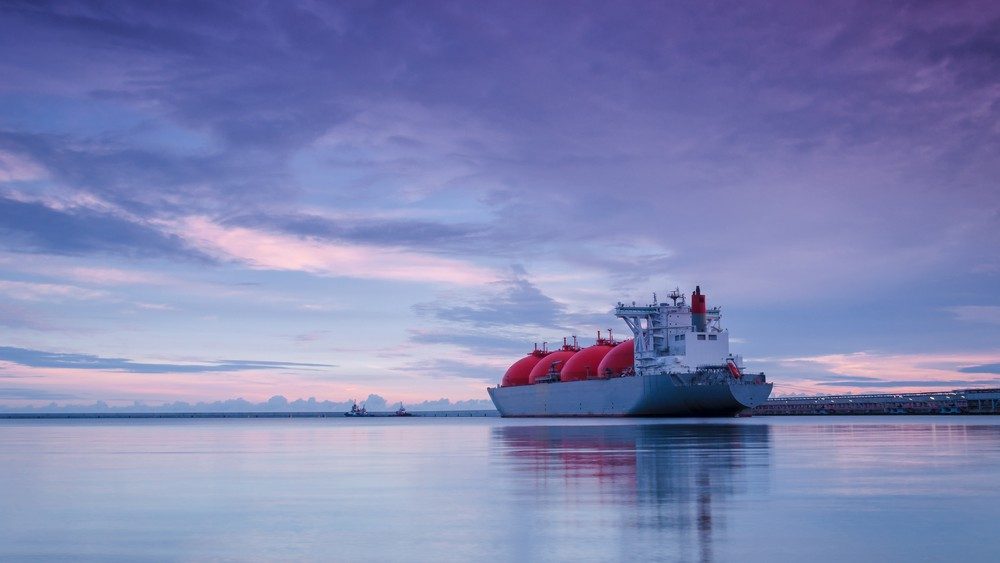
PetroChina and Sinopec are negotiating ten-year LNG supply agreements starting before 2030 to replace war-disrupted Qatari volumes, a strategic pivot that promises to reshape global gas trade flows.
PetroChina and Sinopec are negotiating long-term liquefied natural gas supply agreements with exporters outside the Persian Gulf. The proposed contracts would run for at least a decade and begin deliveries before 2030. The discussions mark a decisive shift by the world's largest LNG buyer to restructure supply chains severely disrupted by Middle Eastern conflict.
The urgency stems from a dramatic collapse in Qatari shipments. Ship-tracking data shows China imported just 100,000 tons of LNG from Qatar in the second quarter of this year. That represents a catastrophic drop from the 4.7 million tons recorded during the same period last year. Prior to the regional war, China sourced nearly 30% of its total LNG imports from Qatar, cementing its position as the Gulf producer's most important customer.
Beijing is not moving to cancel its binding contracts with Doha despite the supply shock. Several Chinese state-controlled majors hold minority stakes in Qatari expansion projects, secured as part of previous volume agreements. However, those expansion initiatives are now facing direct delays because of the war. This throws the future trajectory of Qatar's production capacity into question and leaves Chinese buyers searching for guaranteed future volumes.
Sourcing non-Gulf LNG presents a complex geopolitical puzzle for Chinese procurement executives. The most abundant alternative supplier is the United States, but Chinese buyers view American export volumes as unreliable. Trade friction and shifting tariff policies under President Donald Trump make long-term reliance on US LNG an unacceptable risk for Beijing's energy security planners.
Canada has subsequently emerged as a leading candidate to fill this strategic void. Ottawa is actively pursuing a strategy to become a global energy superpower by diversifying its export markets away from the United States. For Canada, securing massive, multi-decade off-take agreements with Chinese state majors would provide the commercial backing required to finance and build new Pacific coast export infrastructure.
For global gas markets, this pivot signals a structural realignment. If Chinese buyers redirect their capital toward Canadian projects, it will accelerate the shift of global LNG trade flows away from the Middle East. Investors in European and Asian utility companies will need to reassess their supply portfolios, as the traditional routing of Qatari gas through the Strait of Hormuz can no longer be considered a stable foundation for long-term energy planning.