France Cuts Nuclear Output as Extreme Heat Strains European Power Markets
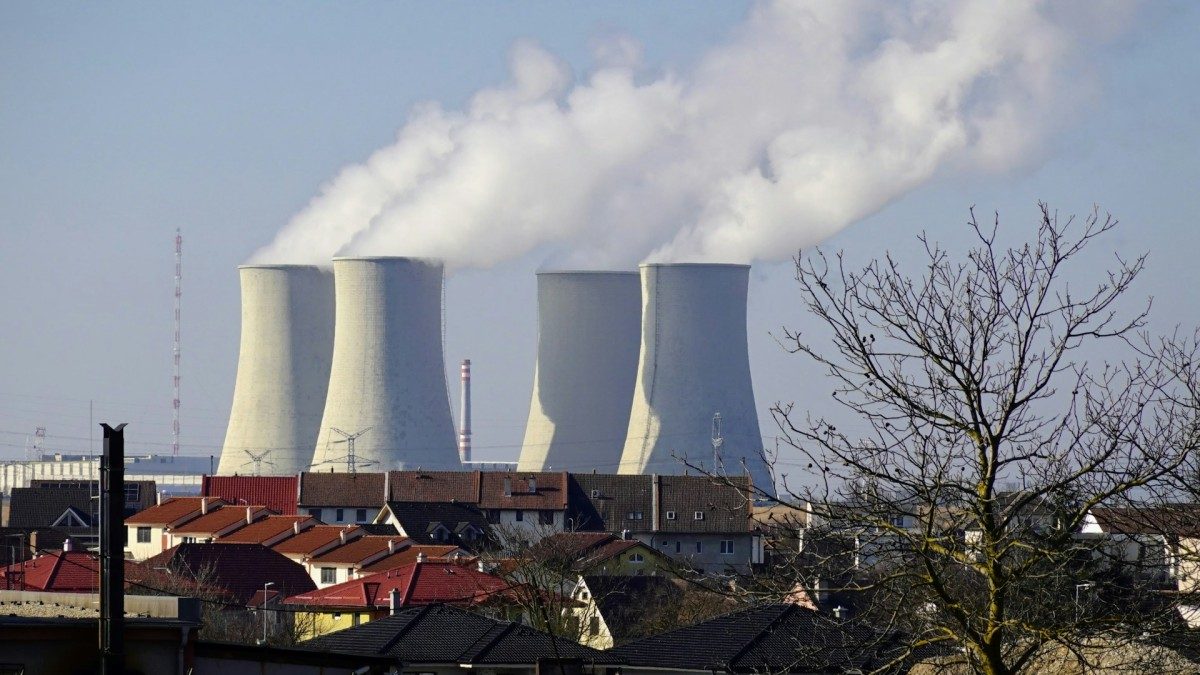
Soaring temperatures across France are forcing curtailments at multiple nuclear facilities just as electricity demand peaks, threatening energy security and wholesale prices across western Europe.
French authorities are scaling back generation at up to five nuclear facilities, with two sites already curtailing output this week. The reductions occur as a severe heat dome pushes temperatures toward 42 Celsius, warming rivers so much that they can no longer effectively cool the atomic reactors that anchor the national grid.
This supply contraction arrives precisely when electricity demand surges for cooling, creating a severe strain on the grid. The shortfall in French nuclear generation threatens to tighten power availability and drive up wholesale energy prices not only domestically but also in key importing markets like Germany and the United Kingdom.
Thermal constraints are not isolated to atomic facilities. The extreme weather is simultaneously depressing hydropower output and limiting the cooling capacity of coal and gas-fired plants across the continent, compounding the risk of rolling blackouts.
Grid infrastructure has already shown fragility under thermal stress. During a similar heatwave last month, a transformer failure left nearly 70,000 households without electricity as the country recorded its highest temperature ever at 44 Celsius.
The physical limits of current infrastructure are becoming increasingly apparent. "As it gets hotter, things stop working quite so well," noted Iain Staffell, an associate professor of sustainable energy at Imperial College London. He added, "I think we do need to adapt the power system to cope with the changing weather."
Addressing these vulnerabilities requires substantial capital expenditure. "Utilities can adapt by planning for summer peaks, making cooling demand more flexible, reinforcing grids for high temperatures, deploying batteries and demand response, and climate-proofing power plants’ cooling systems," said Simone Tagliapietra, a senior fellow at the Bruegel think tank. However, the European Environment Agency recently warned that insufficient long-term funding is stifling the implementation of climate adaptation plans across all 27 European Union member states.
The lag in infrastructure investment is carrying severe human and economic costs, with the recent heatwave linked to over 1,000 unnecessary deaths. "Everyone is asking, why are we not ready?" said Francois Gemenne, an environmental politics professor at HEC Paris. "We are becoming aware of our own vulnerability."