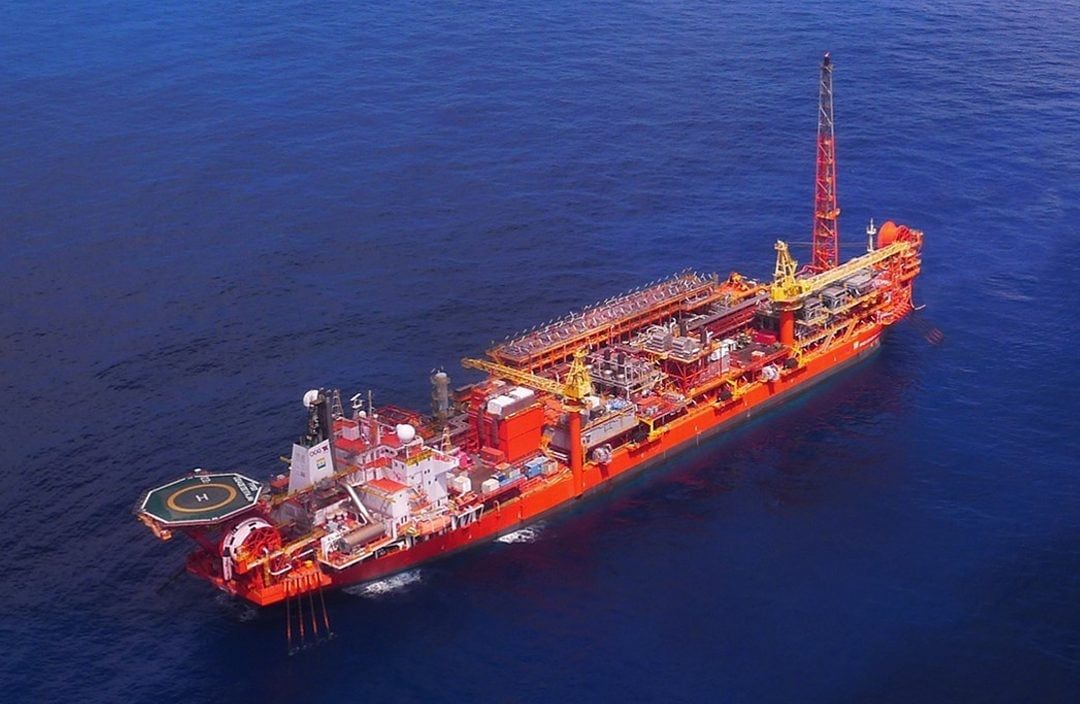
South Korea Reroutes Saudi Oil via Red Sea as Hormuz Stays Closed
South Korea is relying on Saudi Arabia's Red Sea terminal to bypass the disrupted Strait of Hormuz, though this alternative supply route now faces its own severe geopolitical threat.
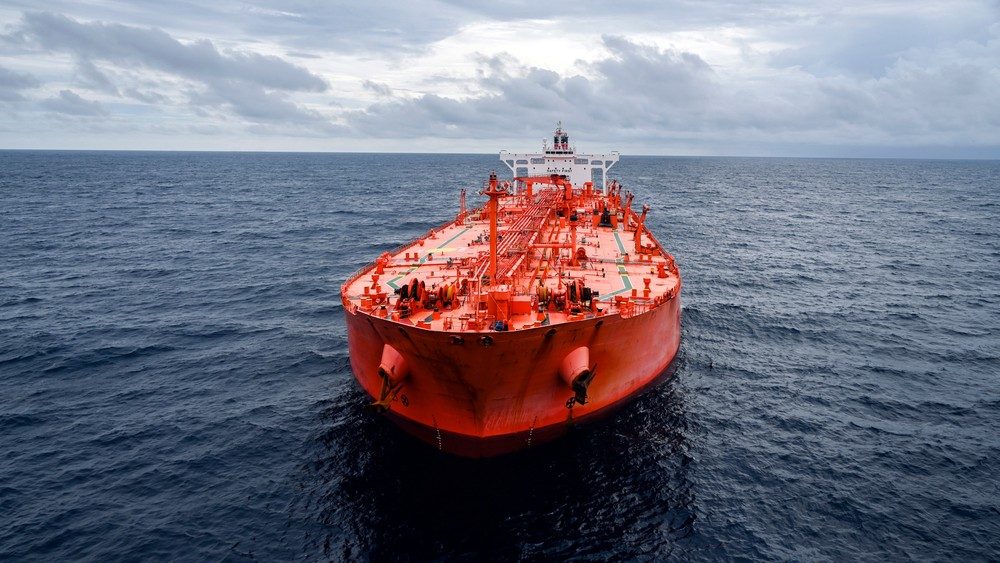
A South Korean oil tanker successfully transited the Red Sea on Friday, marking the nation's 14th crude shipment via this corridor since early March. The vessel loaded its cargo at Saudi Arabia's Yanbu Port before departing for Asia, according to the Ministry of Oceans and Fisheries. This maritime movement establishes a critical new supply chain for one of the region's most significant energy importers.
The strategic pivot is a direct consequence of the Iran war, which disrupted commercial shipping through the Strait of Hormuz. Before the conflict erupted, South Korea depended on the strait for 61% of its crude oil imports and 54% of its naphtha imports. Losing unimpeded access to that bottleneck forced an immediate logistical crisis for the country's refining and petrochemical industries.
Seoul has leaned heavily on Riyadh to execute this workaround, utilizing a terminal on the Red Sea coast. Saudi Arabia has already redirected the better part of its crude shipments through this alternative corridor amid the ongoing threats to Persian Gulf navigation. The government “considers using the Red Sea route to be the most realistic option for the time being, as the Strait of Hormuz has yet to stabilize,” the ministry said in a statement carried by Yonhap.
Yet this newly established workaround carries profound vulnerabilities of its own. Iran-aligned Houthi forces in Yemen are reportedly waiting for the green light from Iran’s Islamic Revolutionary Guard Corps to close the Bab el-Mandeb Strait. Shutting down that southern chokepoint would immediately sever the Red Sea route, abruptly halting the very exports South Korea has raced to secure.
For commodities investors and corporate planners, the evolving situation signals a structural shift in Asian energy logistics. South Korea's dual strategy of securing non-Middle Eastern supplies while establishing the Yanbu route highlights the diminishing reliability of traditional maritime arteries. The compounding threat of simultaneous chokepoint closures means market participants must now factor a permanent geopolitical risk premium into regional crude and naphtha pricing.