Ultrapar Profit Soars 151% as Brazil Police Target Fuel Fraud
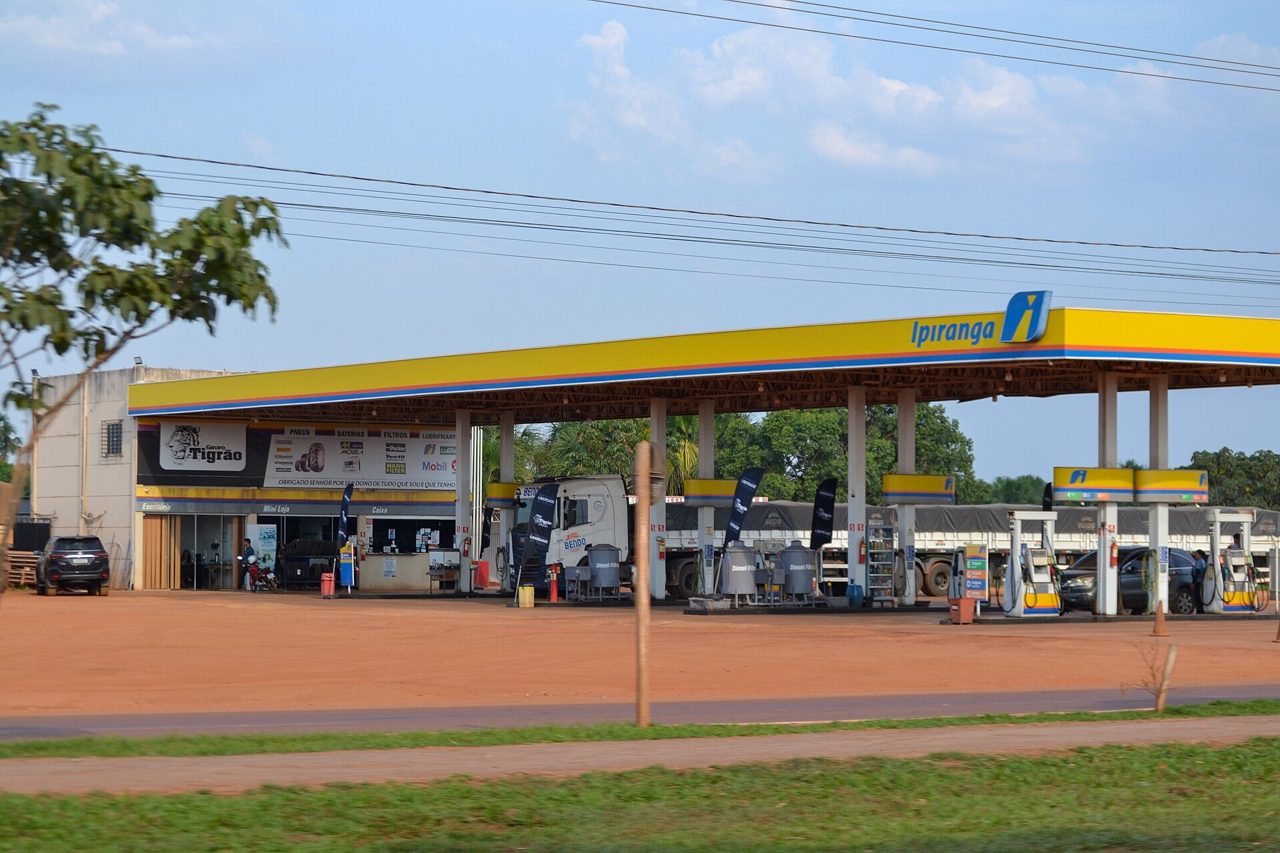
Ultrapar’s first-quarter earnings smashed expectations because a federal crackdown on illegal fuel networks is redirecting market share to legitimate distributors, though the stock’s recent doubling leaves little room for error.
Ultrapar Participações reported first-quarter net profit of R$914 million ($179 million), a 151% increase that crushed analyst estimates. The surge was driven primarily by its Ipiranga fuel-distribution unit, where unit margins hit R$276 per cubic meter—roughly 12% above sell-side forecasts.
Recurring consolidated EBITDA jumped 96% to R$2.32 billion ($455 million), beating consensus by 8% according to XP. The company generated R$1.1 billion in operating cash and reduced net leverage to 1.5 times EBITDA, down from 1.7 times a year earlier.
The primary catalyst is law enforcement, not operational wizardry. For years, legal Brazilian distributors lost ground to untaxed, adulterated fuel sold by criminal networks. The federal police’s "Carbono Oculto" operation is dismantling those rings, forcing demand back to legitimate brands like Ipiranga, which saw volumes rise 8%.
Fuel distribution is a high-volume, razor-thin business; Ultrapar generates roughly R$140 billion in revenue on about 2% net margins. Because of this structure, marginal gains per cubic meter cascade directly to the bottom line, transforming a market-share shift into a massive earnings swing.
The crackdown is redistributing billions of reais across the sector, lifting shares of legal giants Vibra and Raízen alongside Ultrapar. The shift was evident when a Canadian pension fund exited Vibra this week to eager buyers. Ultrapar offers the diversified version of this trade, bundling the fuel rebound with steady earnings from its Ultragaz, Ultracargo, and newly consolidated Hidrovias do Brasil units.
The stock has already more than doubled off its 52-week low and now sits at the consensus price target. CEO Rodrigo Pizzinatto’s team is treating the gains as a market recovery rather than a windfall, maintaining dividends and focusing on debt reduction as if the margin is durable but not guaranteed.
Investors will watch the August second-quarter results to see if the R$276 per cubic meter margin holds. The risk is that illegal networks have survived past crackdowns, and Q2 2025’s 43% EPS miss underscores the lumpiness of these earnings. With the easy repricing complete, any fade in Brasília’s enforcement budget will be punishing for the shares.