The cost of living isn't killing joy - it’s just making us surgical about it
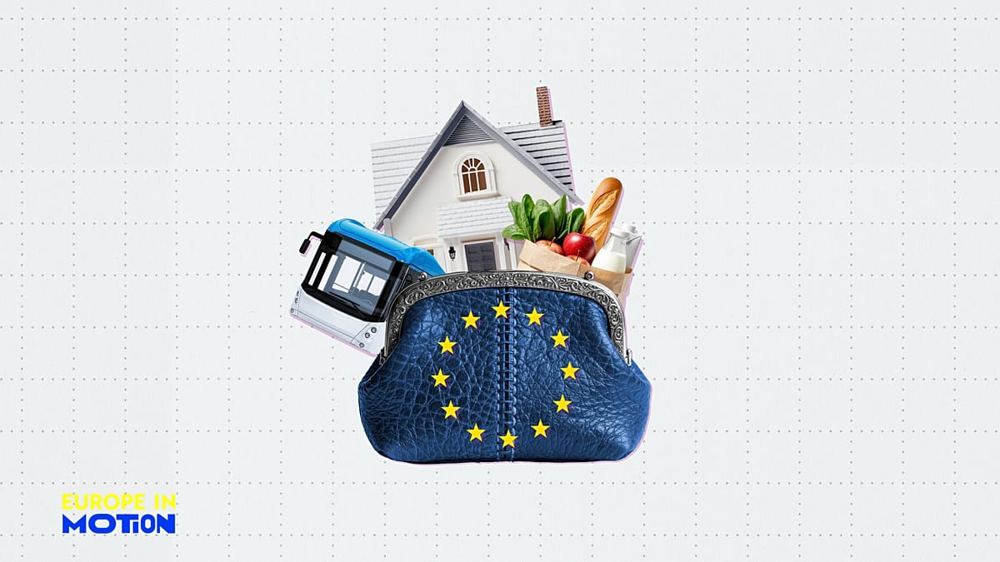
Nearly half - about 46% - of all money spent by EU households goes to three basic things: food, housing and energy, and transport. You need them to live, to get to work, and to keep the lights on.
For millions of families across Europe, the monthly budget is tight.
Essential goods like food, housing, energy, and transport consume roughly 46% of every euro spent by EU households, forming the non-negotiable baseline required to cover daily survival, commuting, and utilities.
With eurozone inflation sitting at a three-year high of 3.3% and energy costs jumping 14.3%, fresh Eurostat numbers show a strange counter-trend. Instead of shutting their wallets completely, people are quietly shaving pennies off their daily routines so they can still afford a normal and enjoyable life.
While those heavy bills still consume the most household cash, consumers are quietly trimming fat elsewhere, and redirecting funds toward culture, dining, and well-being.
Housing and utilities remain the biggest drain on wallets, a lingering hangover from past energy spikes, with geopolitical tensions continuing to push fuel and utility costs upward. Food prices have also settled at painfully high levels, forcing shoppers to relentlessly rethink their carts.
Then there is transport. Fuel, transit passes, and car upkeep absorb a massive chunk of structural spending.
Eurostat notes that these exact categories drove the worst of recent price hikes, underlining just how much they dictate the broader rise in consumer prices. When utilities, rent, and groceries dictate where the paycheque goes, everything else becomes a zero-sum game.
Instead of cutting back across the board, consumers directed a larger share of their budgets toward a few unexpected areas between January 2025 and January 2026, according to Eurostat.
Recreation, sport and culture saw the biggest jump, rising by 1.2 percentage points. Restaurants and accommodation services ticked up by 0.3 percentage points, while education edged up by 0.1 percentage points.
It's a clear sign of consumer resilience, people are still finding cash for a concert ticket or a meal out, even if they're pulling back at the grocery store.
To balance the books, shoppers tightened up on other expenses. Transport budget shares dipped by 0.4 percentage points over the year.
While it remains a massive chunk of total spending, this shift highlights how households are dynamically reprioritising their wallets, optimising transit costs where possible to free up cash for personal well-being.
Simultaneously, information and communication spending fell by 0.3 percentage points, reflecting how households optimise fixed connectivity overhead when inflation pinches disposable income.
According to Eurostat’s HICP (harmonised index of consumer prices) monitoring frameworks and category weightings, this spending split isn't felt equally. Lower-income households are largely forced to absorb higher utility and food costs without room to pivot, meaning the cash flowing into recreation and dining is driven primarily by middle- and higher-income consumers protecting their quality of life.
These shifting decimal points reveal a deeper economic reality about post-inflation consumer behaviour in Europe.
Rather than reacting to the crisis with cutbacks, households are making careful trade-offs. Because essentials like rent and groceries consume 46% of every budget and refuse to shrink, every extra euro requires a choice.
People are quietly cutting back on transit and phone plans to defend personal well-being. Modern economic resilience isn’t about spending less across the board, it’s about protecting what matters most.