US Dollar Retains Reserve Crown Despite RMB Trade Gains
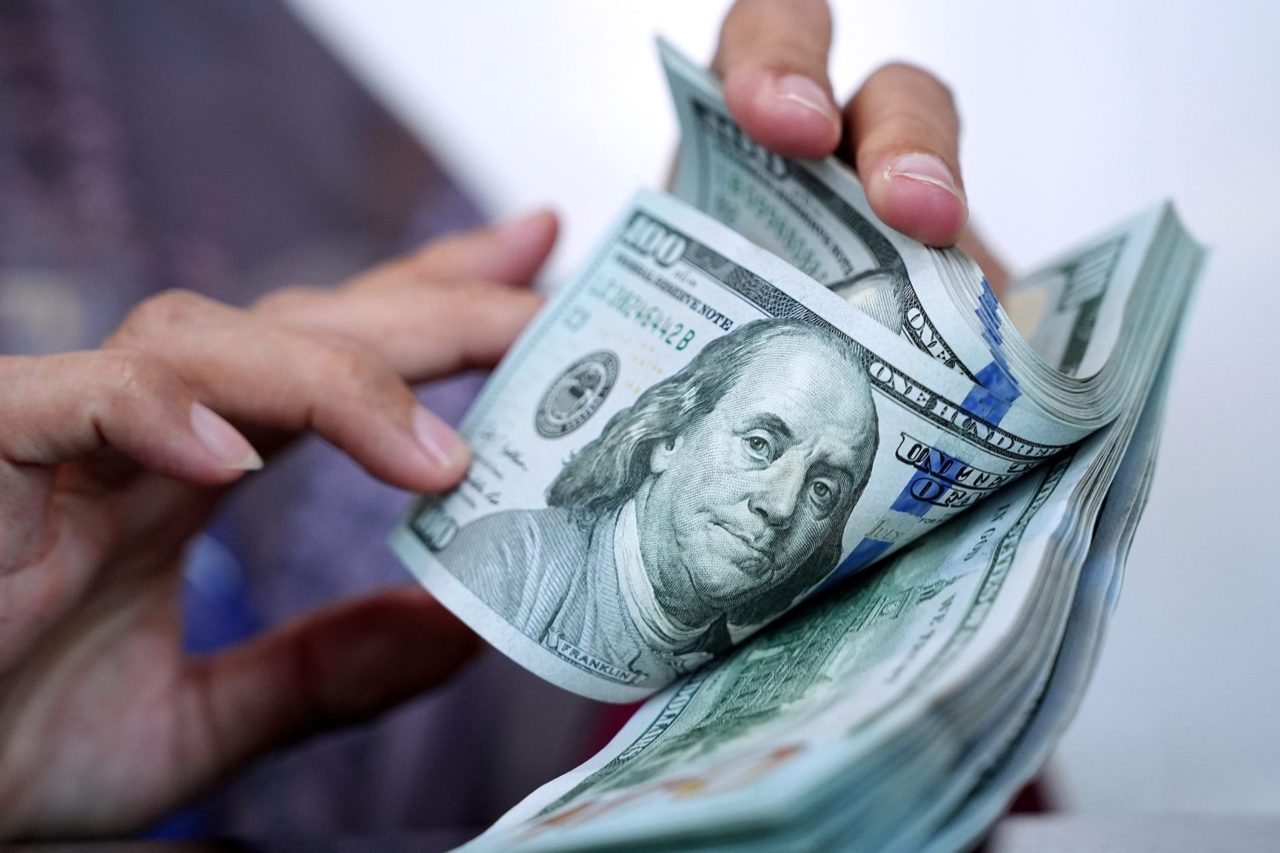
Recent dollar weakness and the rise of yuan-settled trade have reignited calls for the greenback's demise, but structural market realities ensure U.S. hegemony remains intact for the foreseeable future.
A narrative surrounding the decline of the U.S. dollar has gained traction recently, fueled by the greenback's sliding valuation and the fact that roughly 50% of Chinese trade is now settled in renminbi. Yet, an analysis of the mechanics behind reserve currency status shows these obituaries remain wildly premature. The dollar's strategic position is dictated by structural market depth, not short-term price swings.
For market participants, tying the dollar's hegemony to its exchange rate is a fundamental error. Valuation is driven by relative growth, inflation, and interest rates, not strategic standing. In 1990, the dollar was 24% lower than today; in 2000, it was 14% lower; and in 2015, it was 11% lower. The greenback also hit a 37-year high in October 2022, precisely when debates about U.S. decline peaked.
Achieving reserve primacy is a grueling competition requiring a large economy, deep and open safe asset markets, total capital mobility, legal stability, and geopolitical clout. While French Finance Minister Valéry Giscard d’Estaing famously dubbed this an "exorbitant privilege" in the 1960s, it imposes severe burdens. The issuer must accept chronic trade deficits, a structurally overvalued currency that hurts competitiveness, and the volatility of entirely free capital flows.
The euro currently accounts for about 20% of allocated official reserve assets, backed by strong institutional credibility and capital openness. However, it fails to provide a deep pool of safe reserve assets comparable to U.S. Treasuries, and it lacks equivalent geopolitical clout. Progress toward joint European liabilities is measured in decades, not years.
China presents a different challenge, but its rise is constrained by macroeconomic trilemmas. Beijing actively chooses exchange rate management and independent monetary policy over the free capital movement strictly required for reserve status. A 2025 IMF research paper highlights this illusion of progress: while settlement in renminbi has surged, the currency's share of trade invoicing remains far smaller than China's share of global trade.
For investors, the takeaway is that the dollar does not need to be flawless to win; it merely needs to outshine flawed alternatives. Even if a transition eventually occurs, history suggests it will not trigger a sudden economic collapse. The British pound's slow, multi-decade handover to the dollar left the U.K. economy intact, indicating that any future shift in U.S. reserve status would be a gradual portfolio rebalancing rather than a market crisis.