Adversarial fashion gains UK market traction amid AI surveillance
Clothing brands incorporating patterns to confuse facial recognition algorithms are scaling for the mass market, presenting a new consumer privacy segment that faces significant regulatory risk if the technology proves effective.
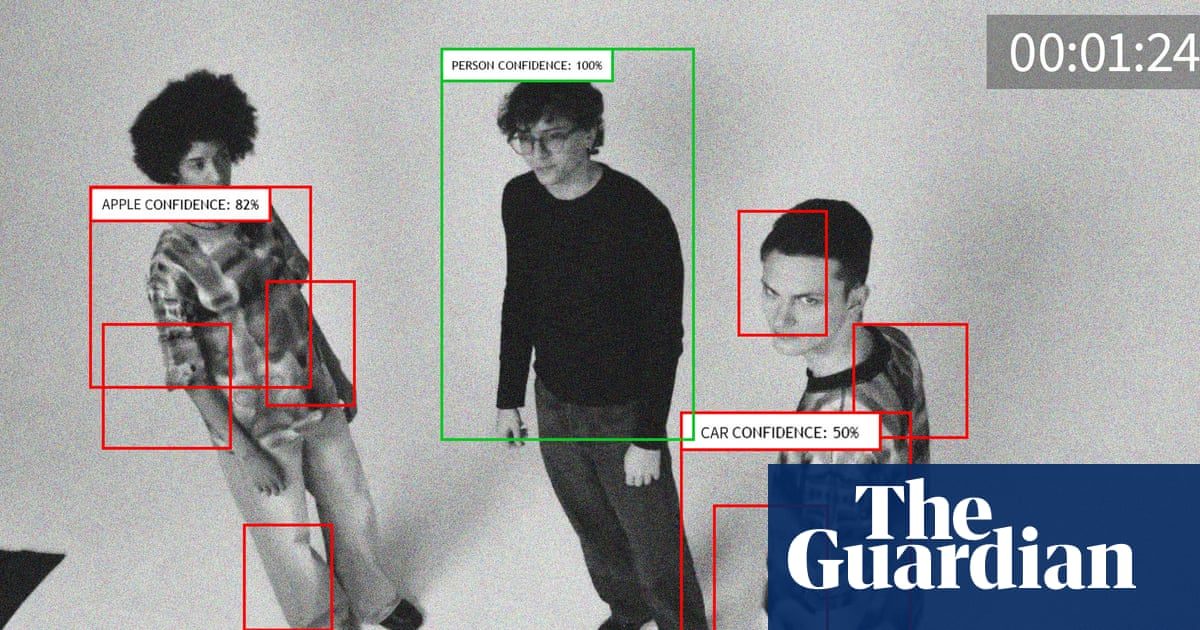
A new class of consumer apparel designed to defeat facial recognition is moving from niche counterculture toward mainstream retail in the UK. Brands like Vollebak, Urban Privacy and Cap_able are integrating "adversarial patterns" into everyday clothing, betting that growing public unease with AI surveillance will drive commercial demand.
Advances in generative AI have made automated identification cheaper and more accessible for police, retailers and private businesses. In response, designers are using asymmetrical cuts, specific colour motifs and infrared LEDs to exploit weaknesses in computer vision algorithms. Rachele Didero, founder of Cap_able, noted that interest has rocketed as younger demographics grow fearful of AI. "When I started doing this in 2018, people thought I was designing masks to rob banks," she said. "But now these concerns are no longer niche."
Designers argue that recent computing advances have made these complex patterns commercially viable at scale. Dr Jennifer Bell of Nottingham School of Art & Design pointed out that the garments are increasingly available at high street prices and marketed to a wide demographic. "That growing awareness combined with a lowering of cost often precedes the tipping point towards a real cultural moment," she said.
The market opportunity is underpinned by rising public pushback. Almost 60% of people in a recent poll said facial recognition is "another step towards turning the UK into a surveillance society." This sentiment is amplified by evidence of racial bias in misidentifications, a problem previously flagged by Britain's biometrics watchdogs, which have called for new laws and a dedicated regulator.
For investors and apparel executives, the sector presents a high-growth but high-regulatory-risk profile. Daniel Preuß of Urban Privacy, whose designs use large-scale prints to trigger algorithmic confusion, noted that no garment can guarantee evasion against powerful surveillance systems. "The added value of fashion is to spread awareness and help propagate public discourse," he said.
If the clothing does prove effective at scale, it could attract swift political intervention. Nick Tidball of Vollebak warned that the sector's ultimate trajectory depends less on fashion designers than on government action. "If such clothing genuinely proved effective, it could get political very quickly," he said. "Then this type of clothing could find itself banned."