Energy Producers Redirect Capital as Strait of Hormuz Constraints Persist
As Strait of Hormuz traffic hits a three-month low and tanker rates spike, energy producers are redirecting capital toward secure natural gas supplies and alternative infrastructure to mitigate structural geopolitical risks.
Energy markets spent August pricing geopolitical disruption as a structural reality rather than a temporary shock. The ongoing Iran conflict has directly constrained physical markets, pushing commodity vessel traffic through the Strait of Hormuz to a three-month low. Investors now recognize that this volatility is a persistent feature of the investment landscape.
This physical bottleneck has triggered severe and immediate market dislocations. VLCC tanker rates surged to as much as $650,000 per day, reflecting the intense premium placed on secure shipping. Concurrently, Qatar experienced a severe collapse in its liquefied natural gas exports.
These disruptions highlight a critical vulnerability in the global supply chain. Nearly half of all global oil flows originate in or transit through conflict-affected regions, leaving the broader energy system highly exposed to regional instability.
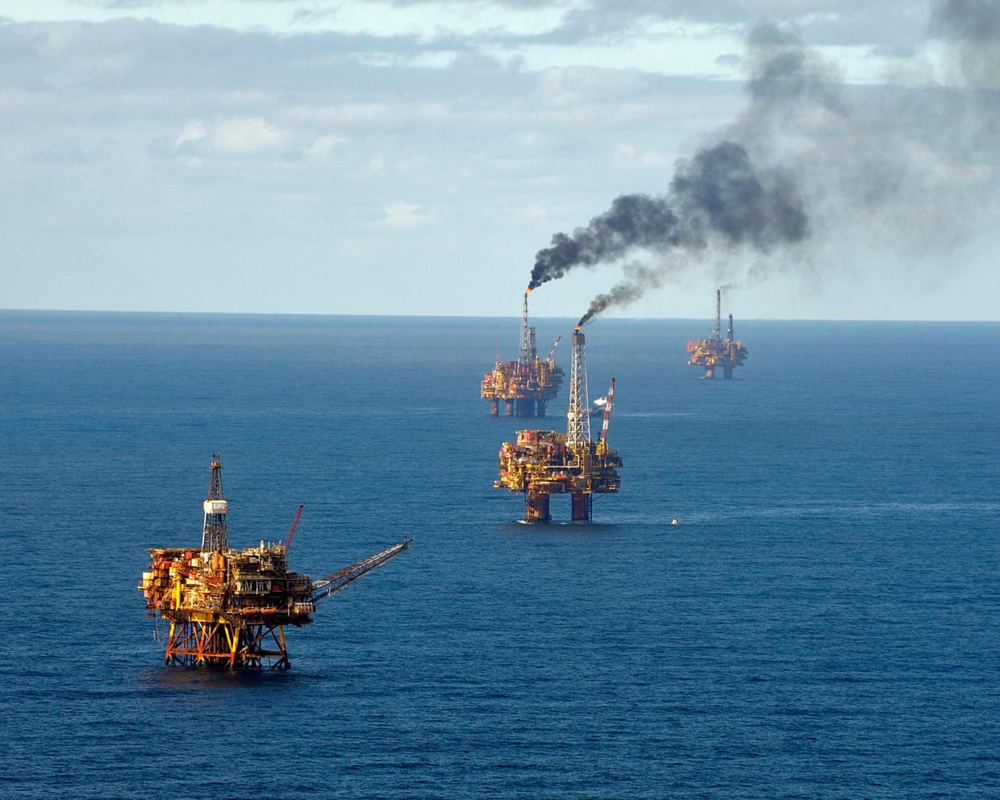
In response, producers and midstream companies are aggressively reallocating capital. Gulf producers are accelerating investments in pipelines and port infrastructure designed to bypass vulnerable maritime corridors. This capital commitment also extends to new drilling inventory, offshore exploration, and automation.
Natural gas has emerged as a primary strategic priority for securing long-term supply. Companies are actively positioning assets to serve both domestic power markets and global LNG demand. Secure gas access is now treated as a fundamental hedge against crude volatility.
This strategic shift is already visible in recent corporate and state-level moves. bp has expanded its exposure to the Calypso gas project in Trinidad. Meanwhile, Iran announced a new 7.5 Tcf gas discovery in Fars Province, underscoring the global scramble for diversified resources.
For investors and market professionals, the financial takeaway is clear. Energy security is no longer just about resource availability, but about the reliability and economics of transportation infrastructure. Consequently, midstream and alternative routing investments are becoming critical to future portfolio resilience.