Gulf Coast Refineries Pour Cold Water on Trump’s 65-Billion-Barrel Venezuelan Victory Lap
CVX is negotiating Venezuelan fiscal terms targeting debt recovery by 2027, while VLO already leads US refiners in processing Venezuelan heavy crude.
XLE gained 45% year-to-date on the crude and product price shock; Venezuela's 65 billion barrels may not flow meaningfully until the 2030s.
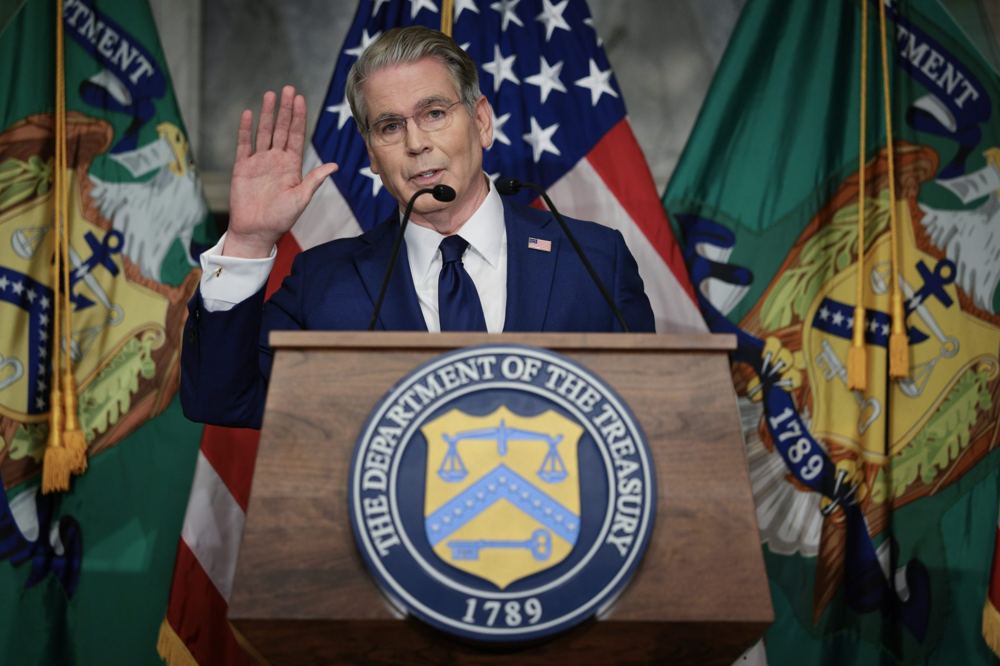
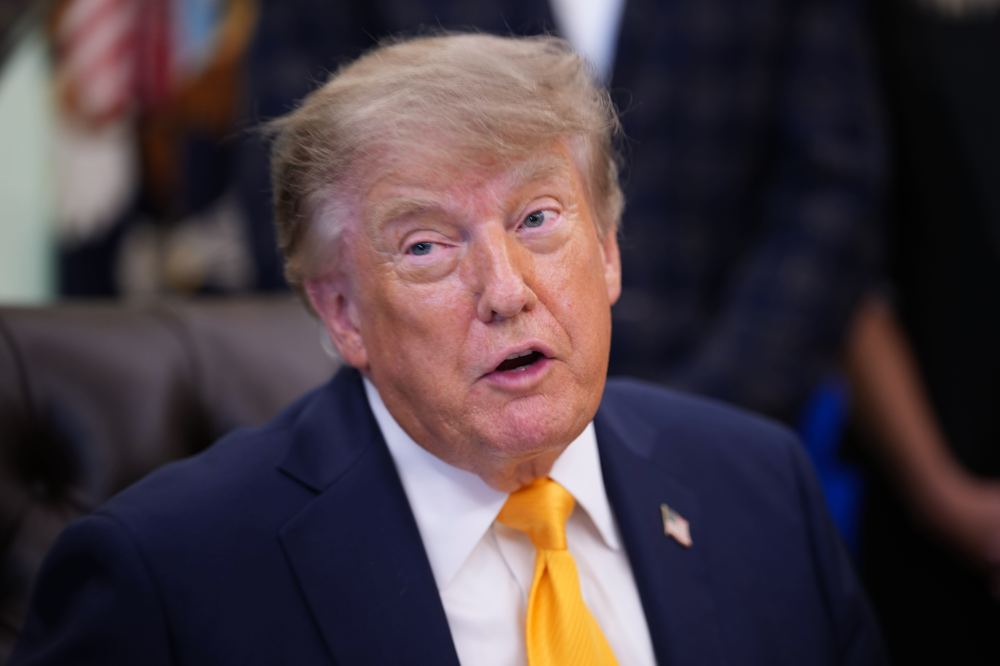
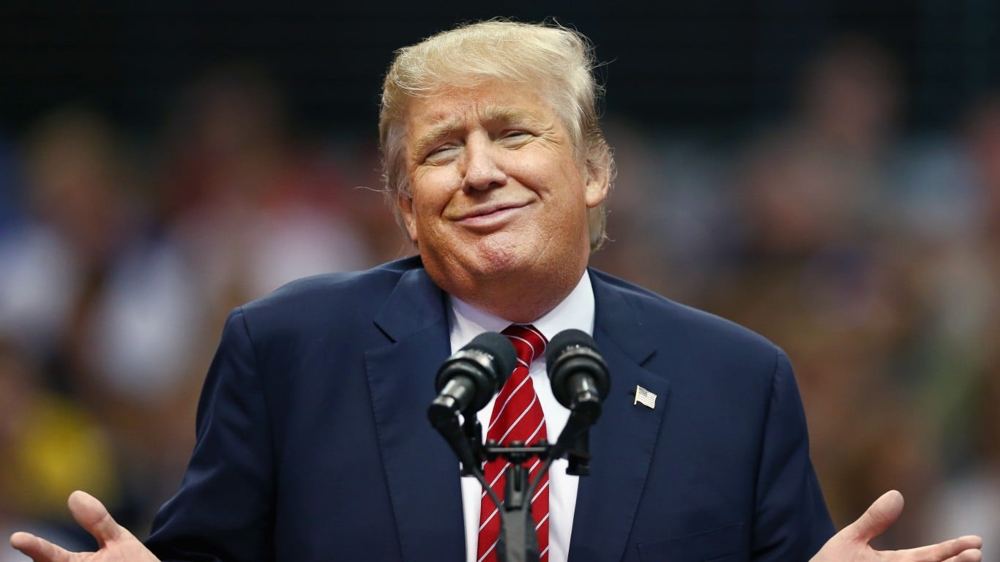
President Trump took a historic victory lap Saturday, announcing 100-year concessions on 17 Venezuelan oil fields covering roughly 65 billion barrels of proven reserves .
For perspective, the entire United States had about 46 billion barrels of proven reserves at the end of 2024. Washington now claims access to more petroleum in South America than exists beneath all 50 states combined.
Because while 65 billion barrels makes for one heck of a victory lap, the people responsible for turning crude oil into something you can actually pump into a Ford F-150 have a considerably less exciting story to tell.
For drivers and energy investors, the important number isn't how much oil exists underground. It's how much can be extracted, transported, refined, and eventually pumped into a vehicle.
And on that score, Venezuela's 65-billion-barrel bonanza runs directly into industrial reality.
Under the reported framework, the fields go to a joint venture between Washington and North American Blue Energy Partners (NABEP), Venezuela's second-largest private producer, run by Alejandro Betancourt Lopez. The Pentagon's Office of Strategic Capital takes a 35% equity stake in NABEP's corporate parent.
The U.S. receives a guaranteed 20% of production at cost and right of first refusal on the remaining 80%. NABEP plans up to $100 billion in new infrastructure and $200 billion in royalties and taxes over 25 years.
If you've saved over $1,000,000, this guide is for you. The last thing you want in retirement is to run out of money, you want your money to generate lasting income while you enjoy your life.
Reserves are oil in the ground. Production is oil coming out of a pipe.
Despite sitting on the world's largest petroleum reserves, Venezuela produces only about 1% of global oil output after two decades of state mismanagement, decaying infrastructure, and U.S. sanctions dating to 2005.
Signing a historic agreement does not cause 65 billion barrels of crude to obediently march toward the nearest tanker.
Rystad Energy estimates full production from existing fields may not arrive until the mid-2030s . The Council on Foreign Relations estimates repairing and modernizing Venezuela's crippled infrastructure could cost $10 billion to $20 billion.
Developing new fields could take more than a decade and require at least $100 billion in fresh capital.
And after spending all that money and waiting all those years, you encounter another minor inconvenience:
Venezuelan crude is extra-heavy and loaded with sulfur. You don't simply pour it into any refinery and wait for gasoline to come out the other end.
Fortunately, the U.S. Gulf Coast has some of the best facilities in the world for processing exactly this kind of crude.
Valero Energy ( NYSE ), the premier processor of heavy crude, told analysts on July 30 that "we've been the largest U.S. consumer of Venezuelan crude over the last several years" and expects processing rates to exceed its historical maximum.
Valero management also flagged roughly 5 million barrels per day of global refining capacity offline and light-product inventories about 130 million barrels below normal seasonal levels.
So imagine Venezuela somehow manages to dramatically increase production tomorrow.
Finding 65 billion barrels of Venezuelan oil does not magically build more Gulf Coast distillation towers or coking units.
If you can't process it fast enough, your gas tank remains unimpressed.
The national average for regular gasoline stood at $4.08 per gallon as of August 24, up 2.1% from a month earlier.
WTI crude closed at $83.90 on August 25, well below its $114.58 April peak but still elevated amid the Iran conflict and disruption in the Strait of Hormuz.
Actual barrels of actual oil moving through actual infrastructure.
Oil that might emerge from Venezuela a decade from now doesn't do much for someone filling up on Tuesday.
And announcing another 65 billion barrels underground does not reopen a tanker route through the Strait of Hormuz.
So if you're waiting for this deal to knock 50 cents off the gas station sign next week, you may want to bring a chair.
Energy lawyers have questioned the deal's legality and called for contract transparency. Protests erupted in Caracas over the weekend. Chavismo factions have objected on sovereignty grounds, while independent U.S. producers are wary of competing against a Pentagon-backed joint venture.
Then there's Venezuela's rather memorable history with foreign oil companies.
Venezuela nationalized foreign oil assets in 2007, seizing billions in Western equipment.
And while this contract spans 100 years , American presidential terms famously do not.
A future administration taking office in 2029 could attempt to unwind the framework, and reports have noted that NABEP's leadership has faced past regulatory scrutiny.
For investors, the trick is separating companies that could eventually benefit from Venezuela from companies whose stocks have already moved for entirely different reasons.
Chevron ( NYSE ) is the essential corporate player to watch.
Chevron is the only U.S. major that remained in Venezuela through the 2007 nationalization. CEO Mike Wirth confirmed on July 31 that the company is "in negotiations right now to try to improve the fiscal terms and enable more investment in Venezuela," with full debt recovery expected by early 2027.
Exxon Mobil ( NYSE ), up 36.41% , has no role in the Venezuelan deal and remains locked in a territorial border dispute with Caracas at the International Court of Justice.
The energy sector has repriced because of acute global shocks to crude supplies and refined-product bottlenecks.
Sixty-five billion barrels makes for an unforgettable political victory lap.