The Labor Market Is Getting Harder for Americans Who Want to Leave Their Job
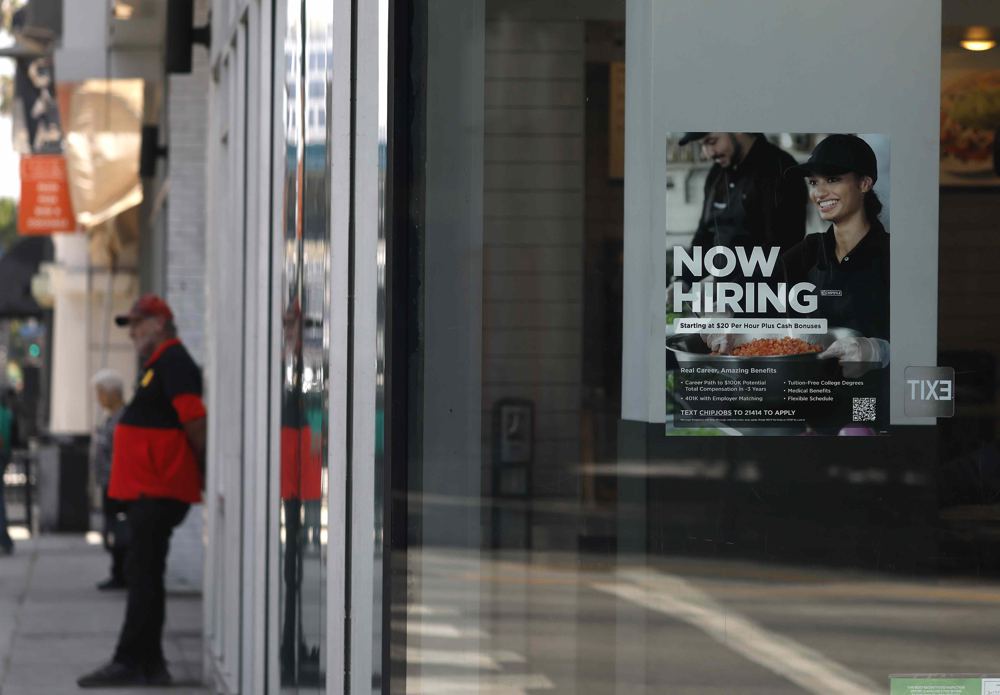
Job openings rose slightly in July, but hiring slowed down nearly to COVID-era levels.
Employers have avoided mass layoffs but have also shied away from expanding payrolls amid high interest rates and uncertainty stemming from the war in Iran.
Economists see the job market staying stuck in a low-hiring, low-firing limbo.
The job market in July could be described as "stable" or perhaps "stagnant" depending on whether you're trying to hold on to a job, get hired, or fill a position.
Economists have called today's job market a "low-hire, low-fire" environment. You could add "low quit" and "low job openings," according to a report Tuesday from the Bureau of Labor Statistics. The number of job openings edged up in July but stayed at 7.3 million, the same as June's downwardly revised figure, after rounding. Hiring, layoffs, and quitting all declined and stayed near low levels by historic standards.
The low layoff rate could give the Federal Reserve the green light to raise interest rates without fear of stoking unemployment.
The data added more evidence that the labor market is staying resilient against economic shocks such as tariffs and the Iran war, with mass layoffs nowhere to be seen. However, employers are becoming even more reluctant to expand their payrolls.
"The encouraging uptick in hiring in the spring is over," Heather Long, chief economist at Navy Federal Credit Union, wrote in a commentary. "Companies are growing cautious as the war in Iran drags on and borrowing costs have spiked."
The slowdown was especially evident in the hiring rate, the number of hires as a percentage of the total workforce, which fell to 3.2% from 3.4% in June. That's just a notch above the 3.1% it hit last February.
On the bright side for workers, the layoff rate edged down. However, the quitting rate also ticked down, suggesting workers are finding few opportunities to leave their current jobs for better pay.
Despite the drop-off in hiring, the lack of layoffs could give the Federal Reserve a green light to focus on the inflation half of its dual mandate to keep unemployment low and prices stable. That could clear the way for the central bank to raise its benchmark interest rate at some point this year, possibly as soon as its next meeting in September.
"Overall, the data point to a stable but low-mobility labor market, giving the Fed reason to focus solely on inflation," Priscilla Thiagamoorthy, senior economist at BMO Capital Markets, wrote in a commentary.