Nigeria central bank signals no rate cuts amid US-Iran war
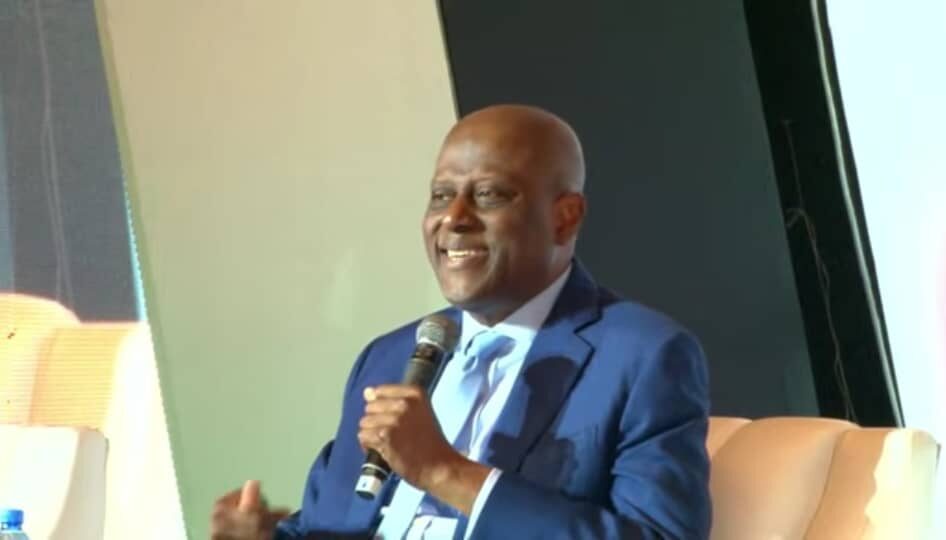
Nigeria's central bank governor warned that geopolitical shocks will keep interest rates higher for longer, dampening investor hopes for an imminent easing cycle ahead of next week's policy meeting.
The Central Bank of Nigeria has dashed market expectations for an imminent shift to an easing cycle, citing prolonged geopolitical tensions as a primary constraint. Governor Olayemi Cardoso indicated on Thursday that policymakers will maintain a cautious, data-driven stance despite a moderation in consumer prices during June.
For investors tracking Nigerian sovereign and corporate debt, the message dictates a continued environment of elevated borrowing costs. The central bank had previously anticipated a rate pivot after inflation cooled for 11 consecutive months through February 2026. That sustained period of disinflation had strengthened market expectations that interest rates would soon begin to moderate.
However, the extension of the US-Iran war has fundamentally altered the inflation trajectory and the bank's risk calculations. External shocks are now viewed as a substantial threat to domestic price stability. “If not for the fact that we had this, we had projected that going into next year inflation would have been down to very moderate levels,” Cardoso said at a BusinessDay CEO Forum.
The governor defended the bank's previous decision to hold rates steady against market sentiment, stating: “We didn’t cut, and believe me, we saw things that most other people didn’t see.” The 12-member Monetary Policy Committee is scheduled to convene on July 20th and 21st. Cardoso emphasized that the committee will ignore market noise and be guided strictly by incoming data.
The central bank spent most of 2025 aggressively tightening monetary policy to combat stubbornly high prices, and that hawkish posture appears set to continue. Cardoso credited early economic reforms with providing the broader economy enough resilience to absorb recent global supply shocks. “One of the reasons for that is the fact that we had undertaken the reforms a lot earlier,” he said. “We had resilience and we were able to withstand the shocks.”
Nevertheless, a prolonged conflict leaves Nigerian authorities facing a difficult macroeconomic trade-off. Policymakers must decide whether to prioritize economic growth by slashing rates or maintain restrictive policy to fully eradicate domestic price pressures. For corporate executives and portfolio investors, the immediate implication is that the high-yield environment in Nigeria will persist until the geopolitical fog clears.