Nigeria targets local cashew processing to capture lost export value
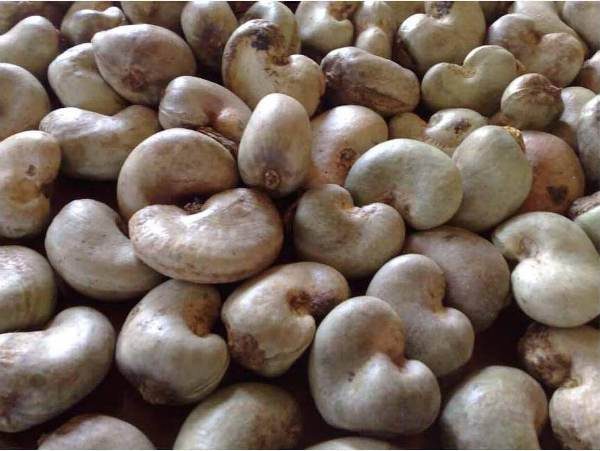
Nigeria has unveiled a strategic roadmap to process its 350,000-tonne cashew crop domestically, aiming to attract agri-processing investment and diversify the economy away from crude oil.
Nigeria's government has published a new industry blueprint designed to end the export of raw cashew nuts and force the development of a local processing sector. Currently, more than 85 percent of the country’s annual output of 300,000 to 350,000 metric tonnes is shipped abroad unprocessed, resulting in significant lost export revenue.
The Nigeria Cashew Industry Roadmap, validated at a stakeholder workshop in Abuja on Wednesday, sets out a strategy to build processing facilities and attract private capital. To coordinate the initiative, the government will establish a dedicated Nigerian Cashew Project Office, working alongside the National Cashew Association of Nigeria and development partners including GIZ.
For investors, the roadmap signals a targeted push into agro-processing within Africa’s largest economy. The government explicitly framed the policy as a vehicle to support President Bola Ahmed Tinubu’s ambition to build a $1 trillion economy by boosting non-oil exports. The Presidential Enabling Business Environment Council (PEBEC) pledged to back the sector through existing business reforms, such as the Business Facilitation Act.
However, scaling up domestic processing will require overcoming entrenched structural bottlenecks. The industry currently struggles with ageing plantations, inadequate seedlings, poor infrastructure, limited access to finance and weak quality standards. The government acknowledged that existing processing capacity remains heavily underutilised.
Industry bodies have responded cautiously, warning that policy consistency will dictate whether capital actually flows into new factories. "The Roadmap provides a clear strategy for expanding local processing, increasing farmers’ incomes, attracting investments, creating jobs for women and youth, and strengthening Nigeria’s position in regional and global markets," said John Enoh, Minister of State for Industry, represented by Permanent Secretary Chris Osa Isokpunwu.
The Cashew Processors and Allied Products Association of Nigeria urged the government to maintain investor-friendly policies to restore sector confidence. Cooperative leaders also called for specific supply-chain investments, including climate-smart production, digital farmer registration and traceability systems, to ensure any new processing capacity is fed by reliable raw materials.
The initiative aligns with the 2026 Nigeria Industrial Policy, representing a clear test of the country's ability to move up the agricultural value chain. If successful, it would position Nigeria as Africa’s leading cashew processor rather than simply its largest raw supplier.